
View from Ashton Meadows, Bristol — History & Facts
In a world often clouded by chaos, pure beauty finds its voice through the tender strokes of a master’s hand. Look to the horizon where soft pastels blend seamlessly into the sky, hinting at the approach of dusk. The foreground invites you in with lush greenery, each leaf seemingly captured in an intimate moment of stillness. The interplay between light and shadow creates a delicate rhythm across the landscape, guiding your gaze toward the serene expanse of water that reflects the heavens above.
Notice how the artist used gentle brushstrokes to evoke movement, as if the scene itself whispers secrets to the viewer. At first glance, the tranquil beauty of this vista suggests a moment frozen in time, yet deeper reflections reveal an underlying tension. The contrast between the calm water and the vibrant, animated surroundings may symbolize the quiet resilience of nature against the backdrop of human existence. Furthermore, the layering of colors implies a complexity of emotions—hope intertwined with nostalgia, evoking a sense of longing for simpler days.
Each element, from the grazing sheep to the distant hills, contributes to a narrative that speaks of both harmony and solitude. Nicholas Pocock painted this work in 1791 while living in Bristol, a time when the Romantic movement was gaining momentum across Europe. He was deeply influenced by the landscape around him and often sought to depict the sublime beauty of nature. During this period, artists were beginning to explore the emotional connections between humanity and the environment, and Pocock's representation of the English countryside reflects both a personal and collective admiration for the natural world.
More Artworks by Nicholas Pocock
Browse all →
British Men-of-War in a Fresh Breeze
Nicholas Pocock

View of Barbados
Nicholas Pocock
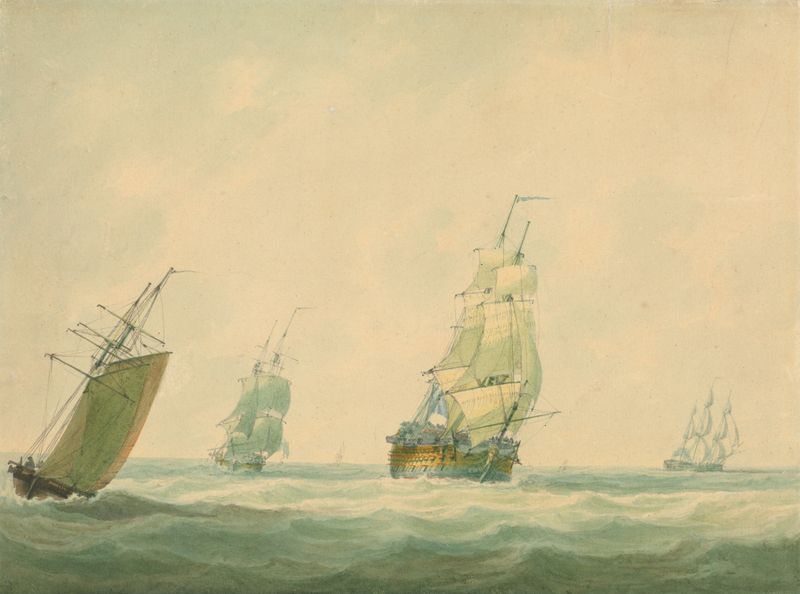
A Two-Decker and other Shipping Offshore
Nicholas Pocock
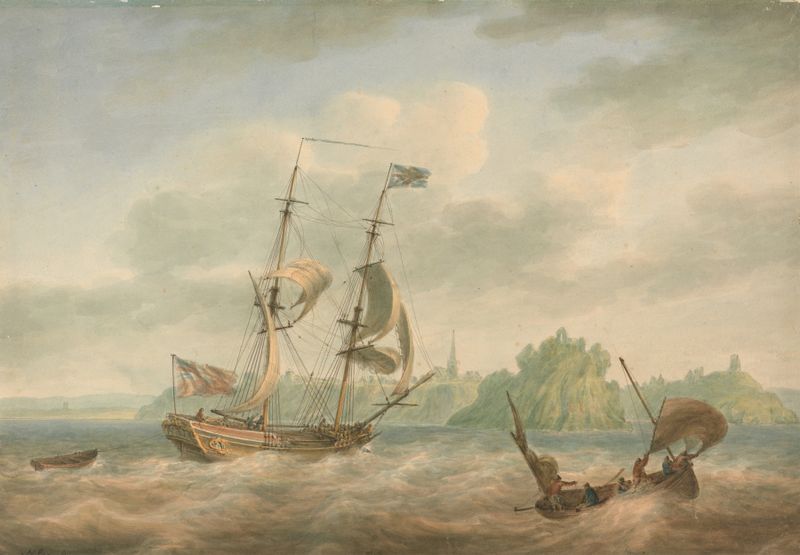
An Admiralty Yacht Running Inshore at Tenby
Nicholas Pocock
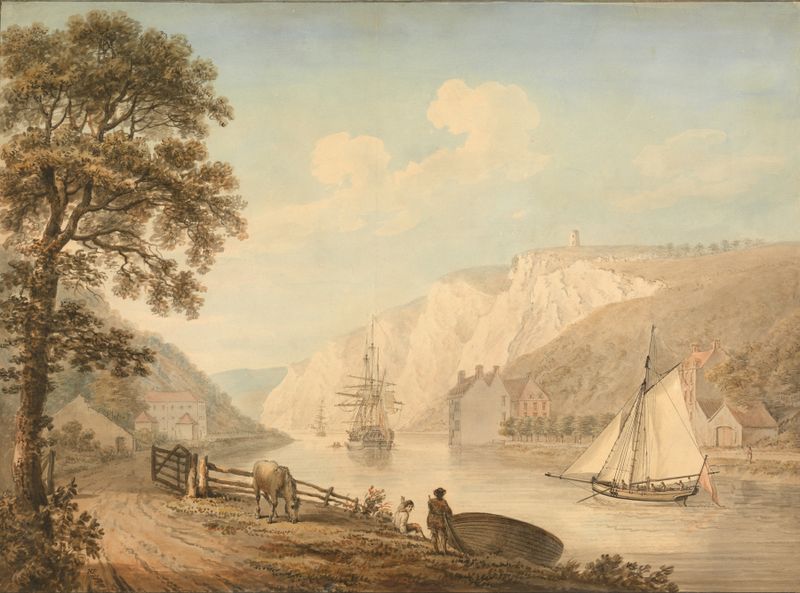
The River Avon with Passing Vessels
Nicholas Pocock
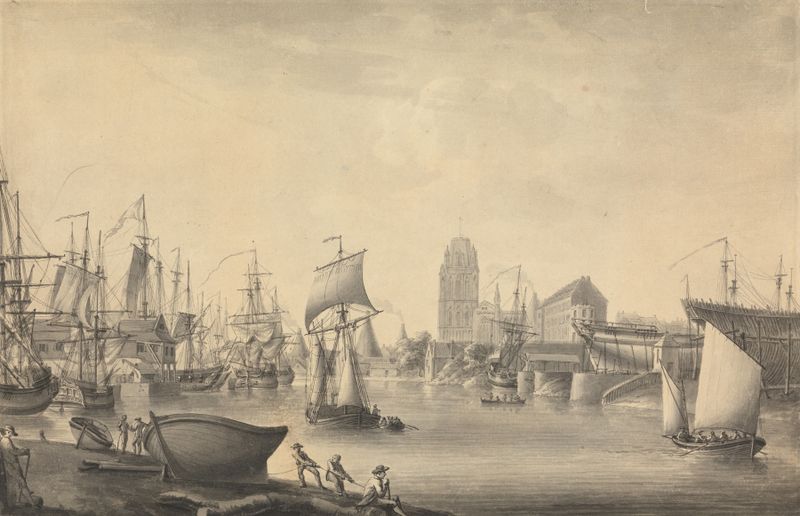
Bristol
Nicholas Pocock
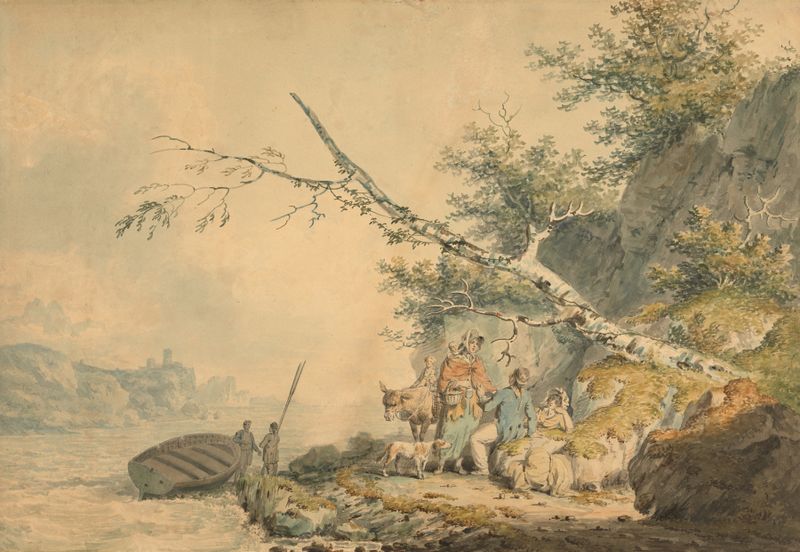
The Sailor’s Departure
Nicholas Pocock
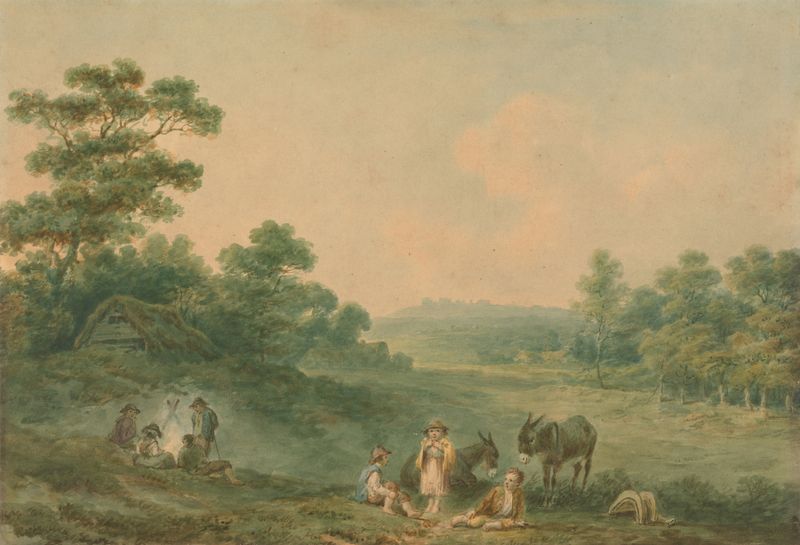
Landscape with Gypsies
Nicholas Pocock
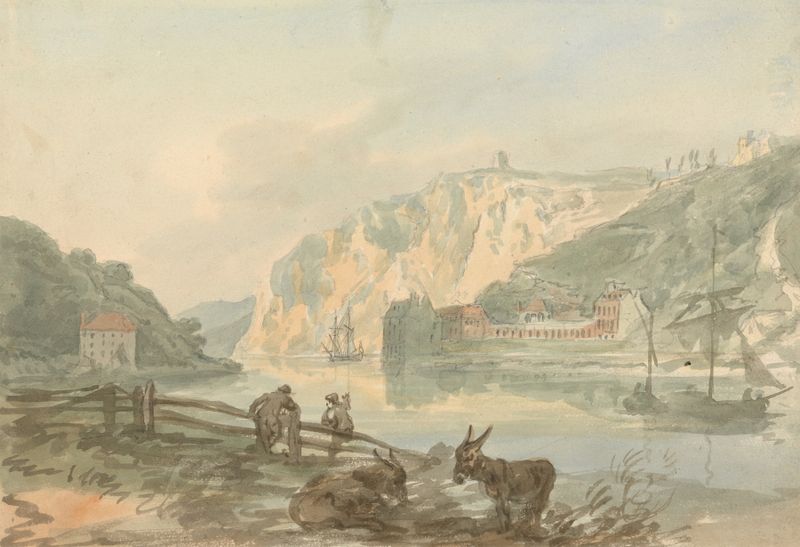
Hotwells from Rownham Ferry
Nicholas Pocock

A Landscape with Figures
Nicholas Pocock





