
The Sailor’s Departure — History & Facts
In the stillness of departure, a profound void stirs beneath the surface, whispering stories of longing and farewell. Look to the center of the canvas where the figure of the sailor stands, poised against the backdrop of tumultuous waves. The rich blues of the ocean contrast with the warm, golden hues of the setting sun, casting a soft glow on the scene. Notice how the gentle curl of the waves and the billowing sails create a rhythmic dance, drawing your eyes towards the horizon, where duty and destiny await.
Each brushstroke captures the tension between the sailor's quiet resolve and the chaotic energy of the sea, encapsulating a moment suspended between the known and the unknown. Digging deeper, one might sense the emotional undercurrents swirling within this departure. The sailor's posture—both confident and apprehensive—speaks to the duality of human experience: the thrill of adventure and the ache of leaving loved ones behind. The interplay of light and shadow casts an introspective tone, suggesting that beneath the surface of courage lies an abyss of vulnerability.
This contrast between hope and void invites us to consider what we leave behind in pursuit of our dreams. In 1795, the artist was amidst the evolving Romantic movement, painting in Britain during a time of maritime exploration and burgeoning national identity. The Sailor’s Departure reflects the prevailing spirit of adventure and the individual’s struggle against the vastness of nature, mirroring both personal and societal transitions. Pocock's works during this period reveal a complex relationship with the sea, embodying both a sense of wonder and the haunting absence that often accompanies exploration.
More Artworks by Nicholas Pocock
Browse all →
British Men-of-War in a Fresh Breeze
Nicholas Pocock

View of Barbados
Nicholas Pocock
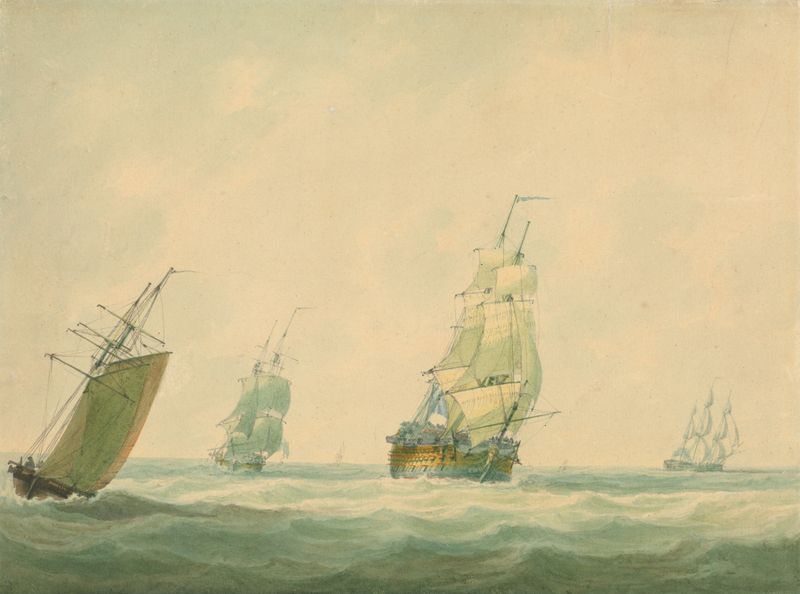
A Two-Decker and other Shipping Offshore
Nicholas Pocock
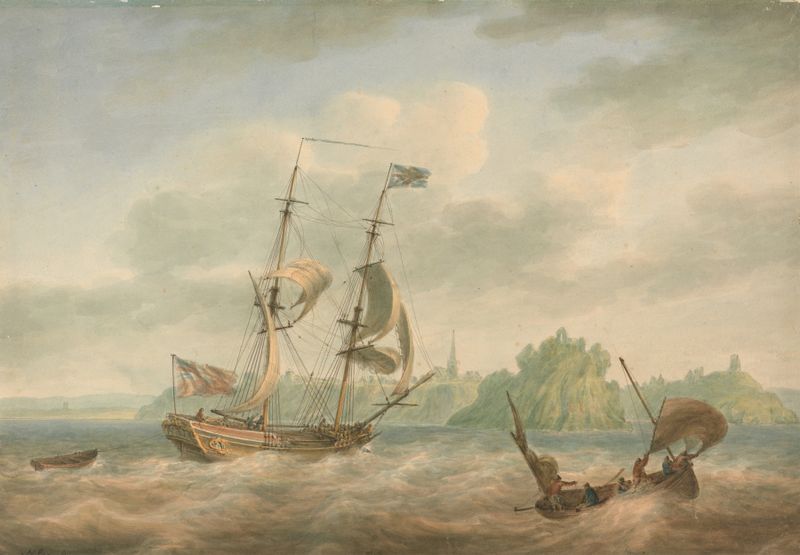
An Admiralty Yacht Running Inshore at Tenby
Nicholas Pocock
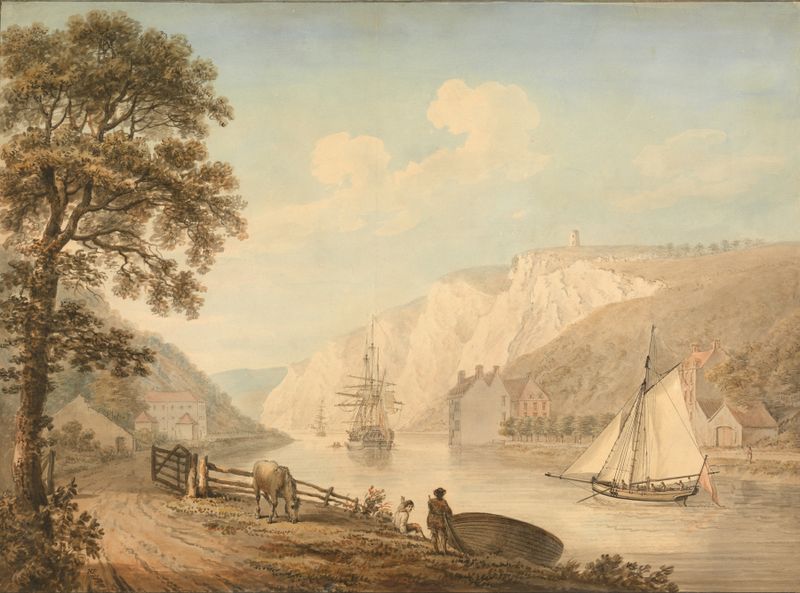
The River Avon with Passing Vessels
Nicholas Pocock
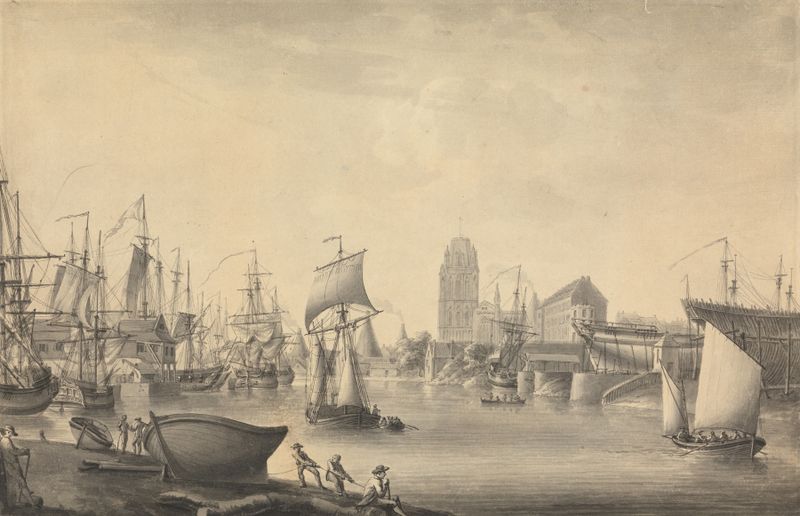
Bristol
Nicholas Pocock
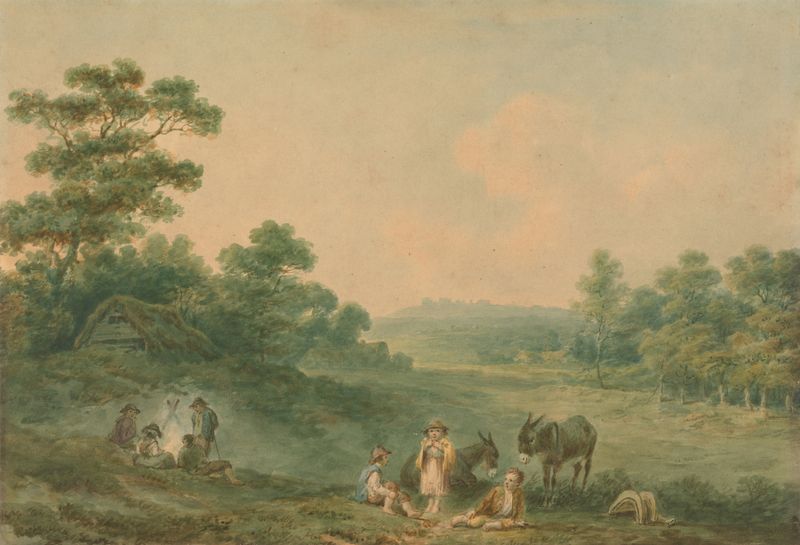
Landscape with Gypsies
Nicholas Pocock
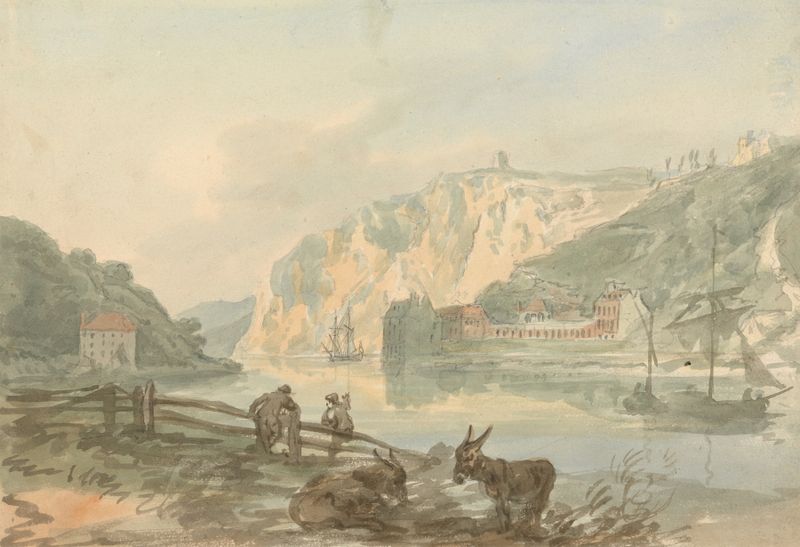
Hotwells from Rownham Ferry
Nicholas Pocock
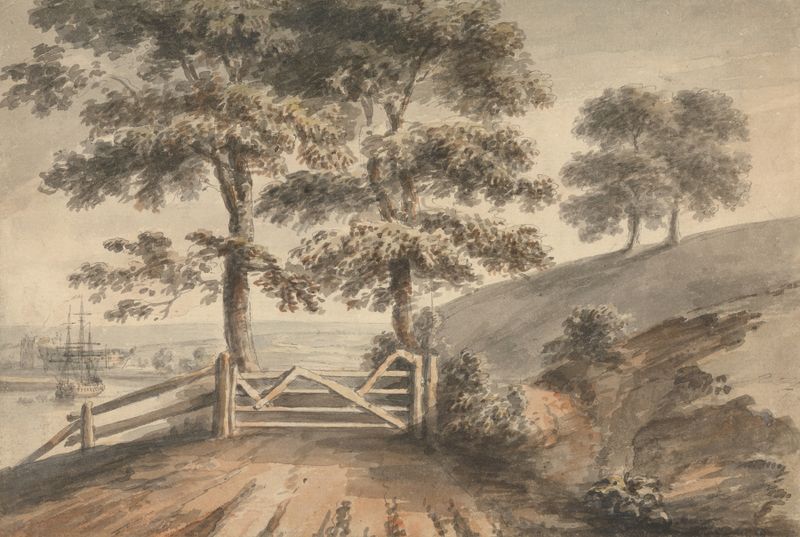
View from Ashton Meadows, Bristol
Nicholas Pocock

A Landscape with Figures
Nicholas Pocock





