
View From The Sabine Hills Near Rome — History & Facts
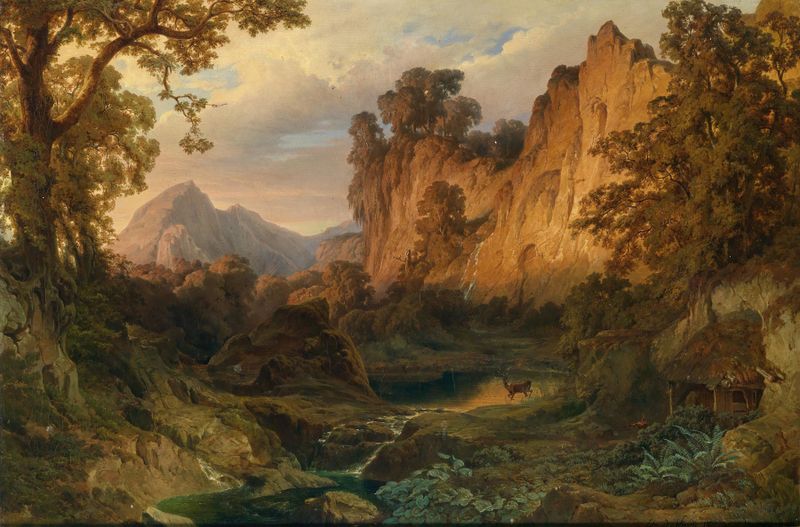
Is this a mirror — or a memory? The vast landscapes captured in art often evoke a profound sense of emptiness, a space where the mind can wander and reflect. Look to the horizon, where soft hills meet the delicate blue of the sky. Notice how the brushstrokes blend seamlessly, creating a gentle transition that invites the viewer into the expanse. The muted greens and browns of the earth seem to pulse with a life of their own, while a few wispy clouds linger, casting fleeting shadows that play across the undulating terrain.
This subtle interplay of color and light invites contemplation, as the viewer is drawn into a world where nature reigns supreme and silence offers solace. Yet, within this tranquility lies a haunting melancholy. The vastness feels both liberating and isolating, as if the land itself stretches endlessly, representing the solitude of human experience. Each touch of paint suggests a narrative, yet it remains unspoken, creating a tension between the seen and the unseen.
The emptiness of the landscape echoes the void that can exist within us, urging the viewer to engage with their own memories and emotions. Edmund Von Wörndle painted this work at an uncertain time in his career, likely influenced by the Romantic movement and its appreciation for nature. Operating in Europe, he was part of a broader artistic landscape that was increasingly drawn to the emotional resonance of the natural world. This period in art history emphasized the sublime, allowing artists like him to explore themes of solitude and transcendence through their landscapes.
More Artworks by Edmund Von Wörndle
Browse all →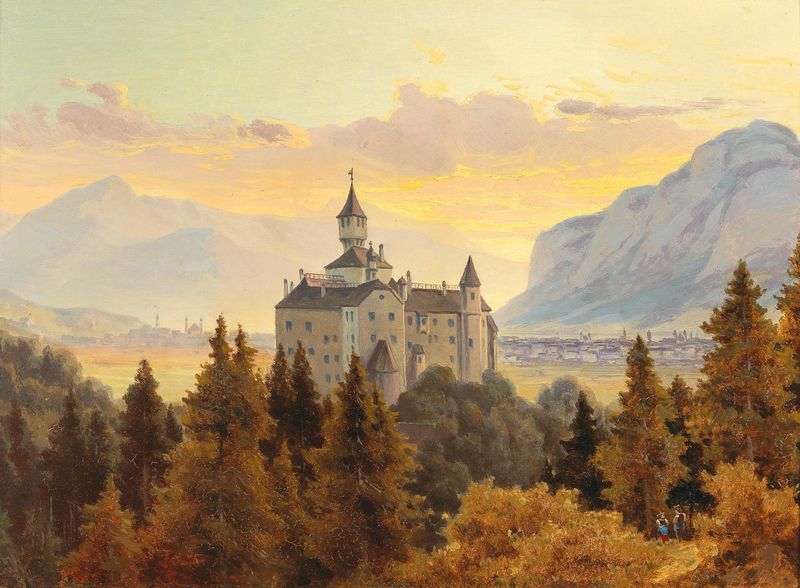
View Of Schloss Ambras Near Innsbruck
Edmund Von Wörndle
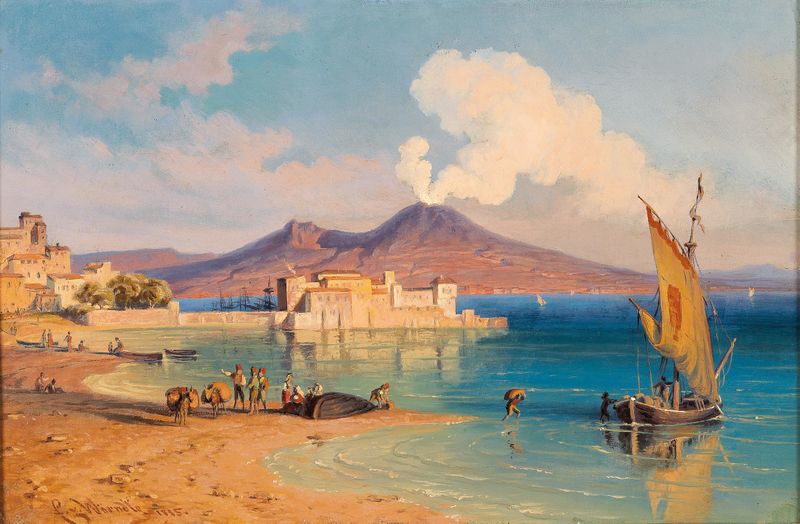
View From The Riviera Di Chiaia To The Castel Dell’ovo, Naples
Edmund Von Wörndle
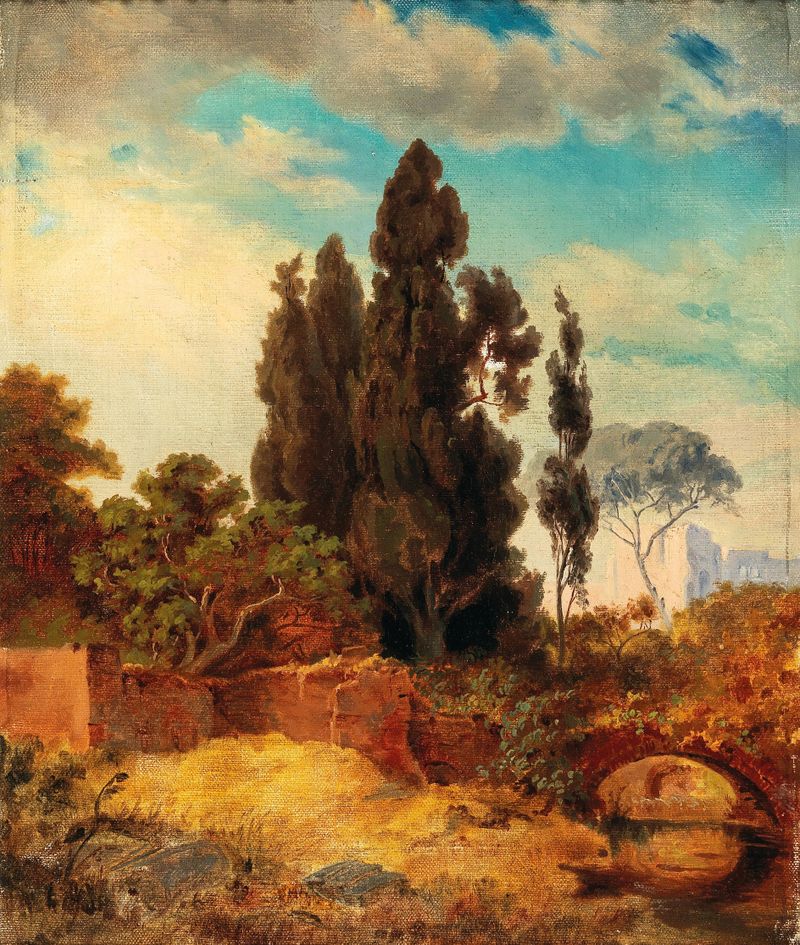
View Of The Villa Hadriana, Tivoli
Edmund Von Wörndle

Stadt und See Tiberias
Edmund Von Wörndle
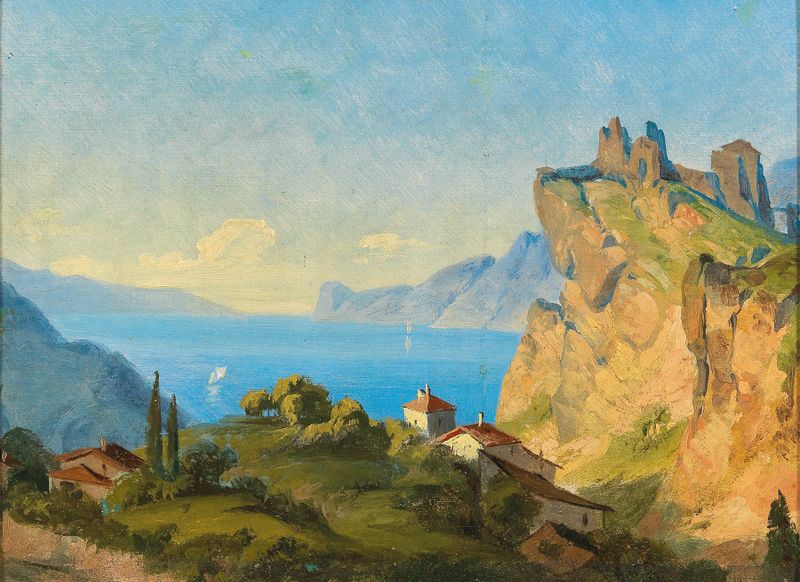
View of Nago on Lake Garda
Edmund Von Wörndle
Romantische Landschaft im Abendlicht
Edmund Von Wörndle





