
View of Castel Gandolfo — History & Facts
What secret hides in the quiet of the canvas? In View of Castel Gandolfo, the serenity of a sunlit landscape invites contemplation, revealing a delicate balance between nature and humanity. Look to the right at the gracefully flowing lines of the hills, where the gentle curve of the landscape guides the eye toward the distant town. Notice how the soft brushwork creates a harmonious texture, with dappled light illuminating the rooftops and casting gentle shadows. The palette, comprised of muted earth tones and soft greens, evokes a sense of peace, while the bright sky offers an expansive backdrop, symbolizing hope and tranquility. Delve deeper into the painting's subtle contrasts: the stillness of nature juxtaposes the hint of life in the village below, suggesting a coexistence that fosters resilience.
Each quiet element, from the wispy clouds to the meticulously detailed buildings, tells a story of harmony — a reminder that balance is found not in the absence of conflict, but in the presence of understanding. The brushstrokes reflect a serene moment, as if the artist captured the essence of contentment itself. In the 1870s, Myles Birket Foster painted this piece in England, a time when the Pre-Raphaelite movement was influencing artists to embrace nature’s beauty. Foster, recognized for his landscapes and watercolors, was immersed in a world seeking authenticity and depth.
This artwork reflects not only his technical mastery but also a yearning for connection with the serene landscapes that enveloped him, capturing a fleeting moment of balance amidst life's complexities.
More Artworks by Myles Birket Foster
Browse all →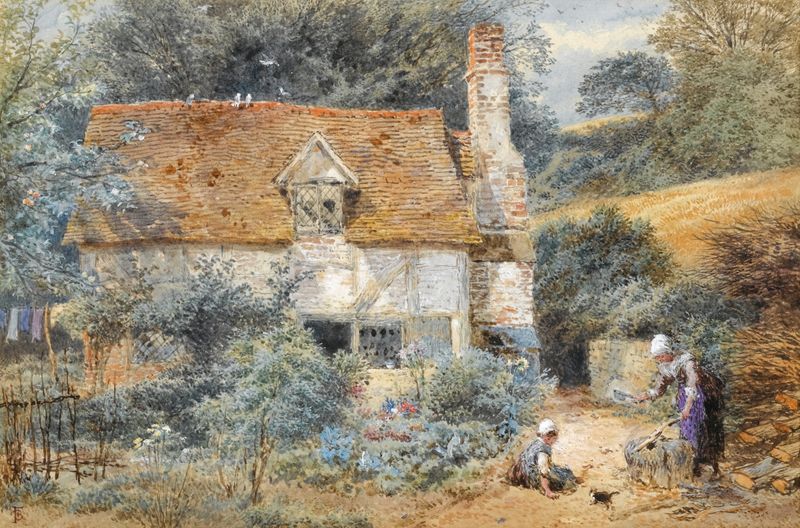
The Cottage
Myles Birket Foster
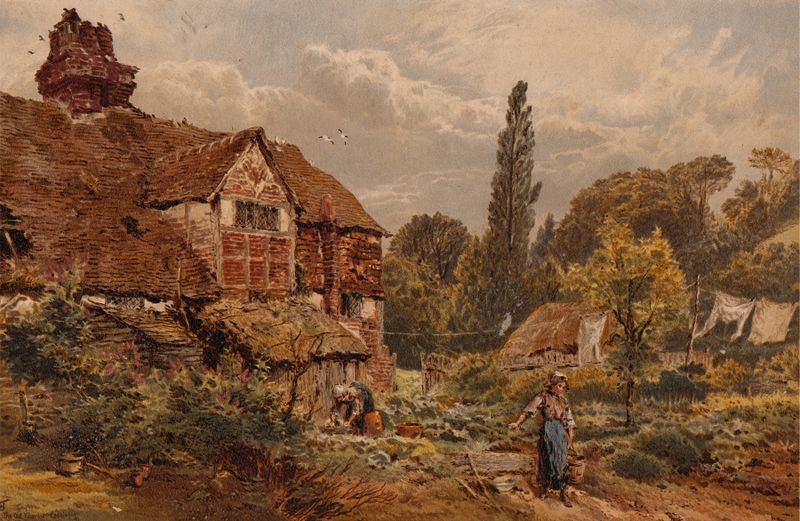
The Old Vicarage
Myles Birket Foster
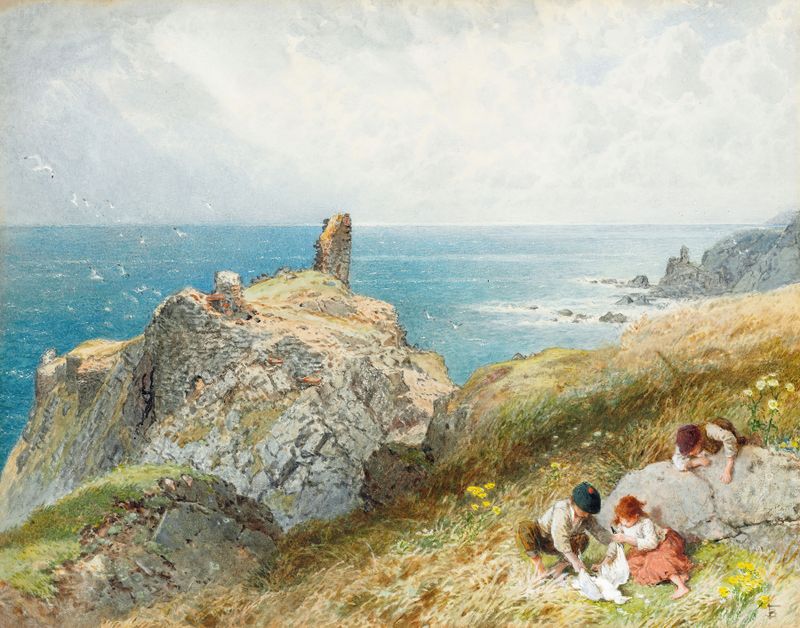
Fast Castle, Berwickshire, Scotland
Myles Birket Foster
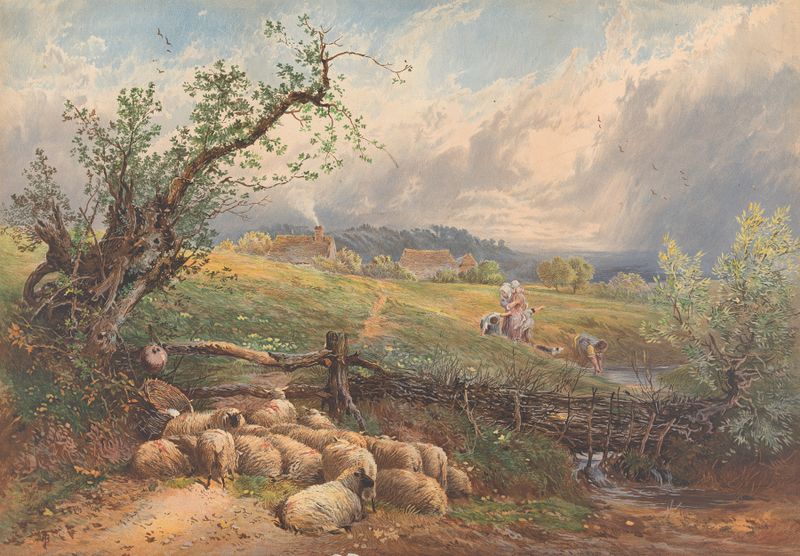
Children at the Spring
Myles Birket Foster
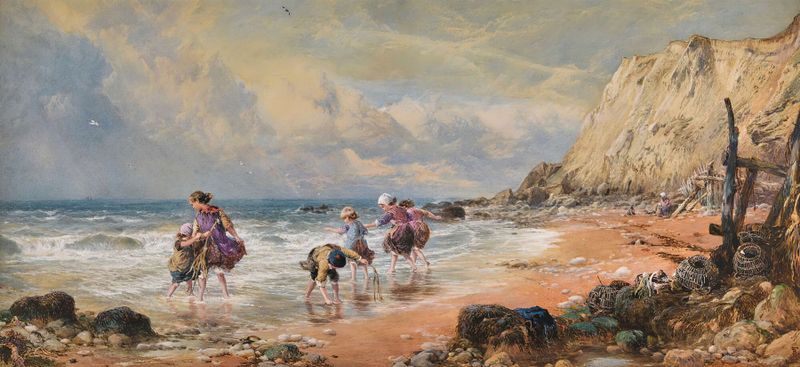
On The Shore, Bonchurch
Myles Birket Foster

Children in a Cart
Myles Birket Foster
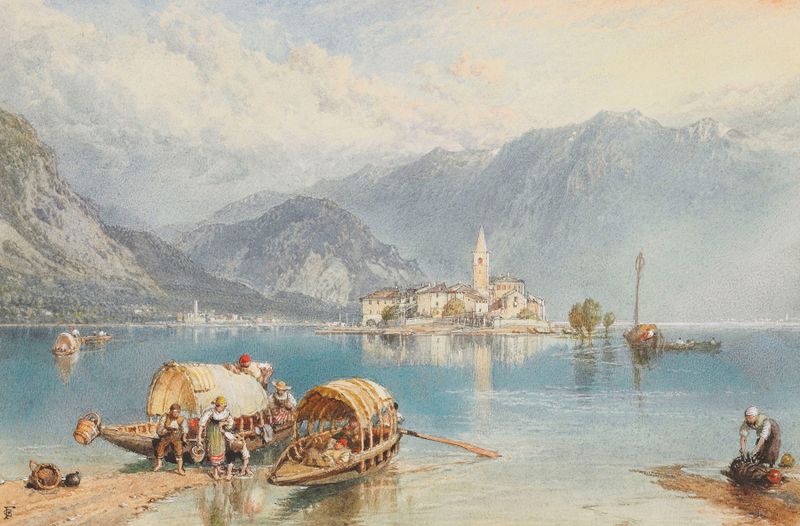
View of Isola Bella, Lake Maggiore, Italy
Myles Birket Foster

Loch Awe At Sunset
Myles Birket Foster

The Road To Market
Myles Birket Foster

The shepherd’s watch
Myles Birket Foster





