
View of Salzburg — History & Facts
Can beauty exist without sorrow? In View of Salzburg, the elegance of the cityscape seems to resonate with this profound question, inviting the viewer to contemplate the complexities of both light and shadow. Look to the left at the gentle curve of the river, its waters reflecting the delicate hues of the sky at dusk. The interplay of pastel shades—soft pinks and blues—gradually gives way to the darker tones of the mountainous background. Notice how the architecture of Salzburg, with its charming spires and rooftops, is intricately detailed, drawing the eye toward the heart of the city where history and serenity collide. At first glance, the painting embodies a tranquil beauty, yet hidden within its composition is a palpable tension.
The majestic mountains loom in the background, evoking a sense of isolation and introspection, while the river flows serenely, symbolizing life's constant passage. These contrasts invite contemplation of the relationship between human endeavor and the indifference of nature, suggesting that beneath beauty lies a depth of experience, both joyous and melancholic. Created in 1853, this work emerged during a time of romantic nationalism in Europe, when artists sought to capture their homeland’s essence. The artist, whose identity remains unknown, painted this piece amidst a cultural revival that celebrated landscapes and historical sites, reflecting the collective yearning for connection to the past, even as the world around them modernized.
More Artworks by Unknown Artist
Browse all →
Ridder, Dood en Duivel
Unknown Artist
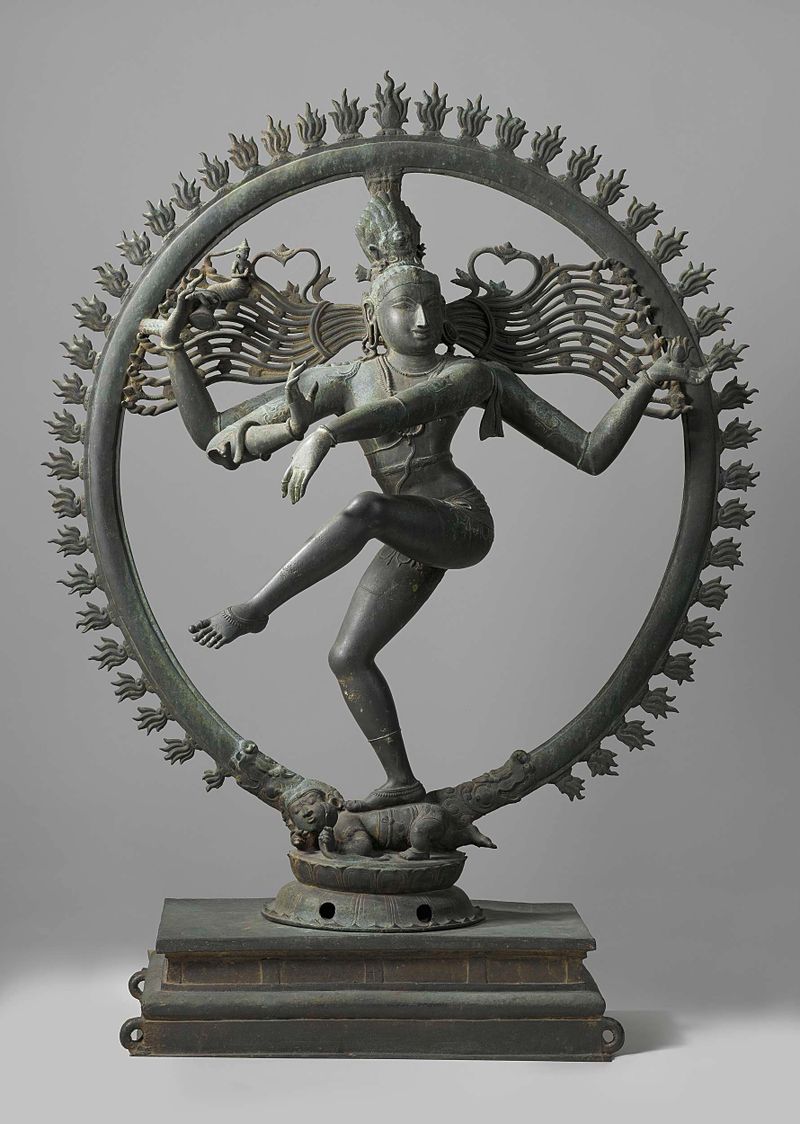
Shiva Nataraja
Unknown Artist

Portrait of Elizabeth I, Queen of England
Unknown Artist
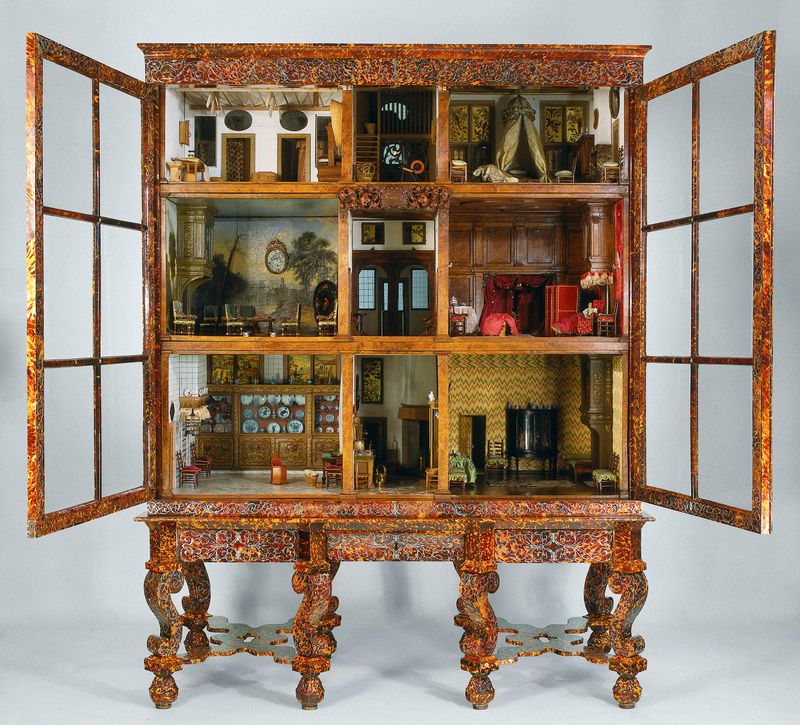
Dolls’ house of Petronella Oortman
Unknown Artist
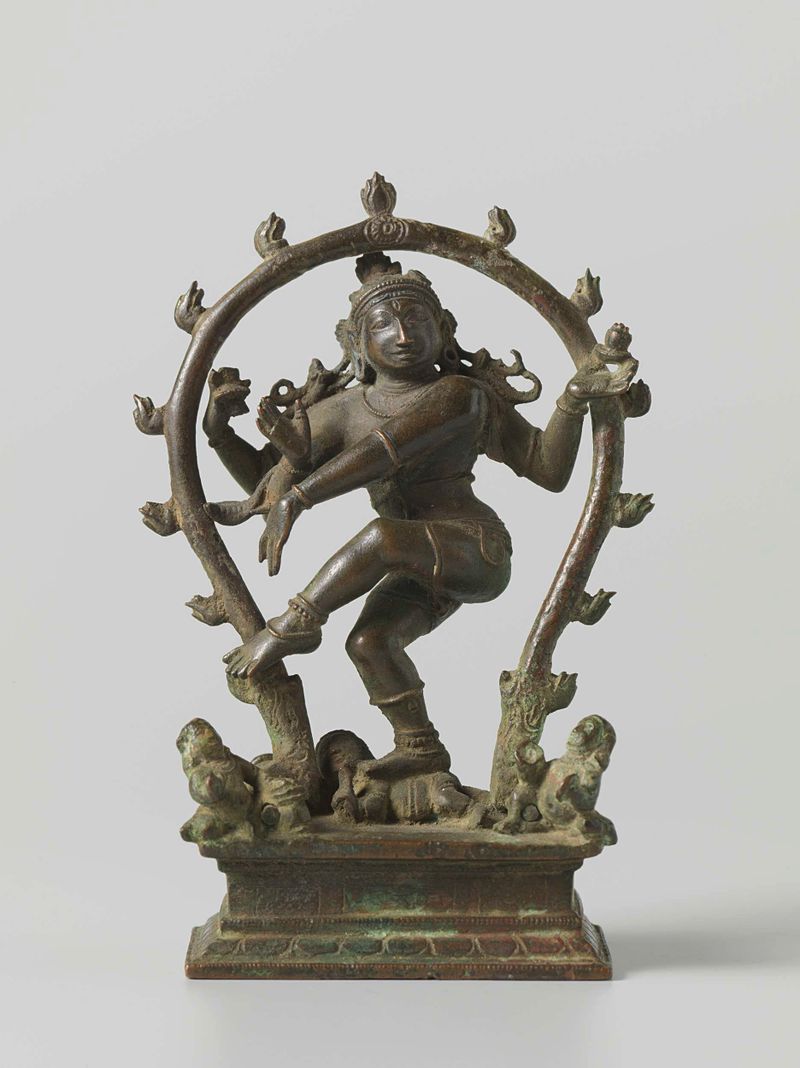
Shiva Nataraja
Unknown Artist

The Tale of Genji
Unknown Artist

The Tale of Genji
Unknown Artist

Cong
Unknown Artist
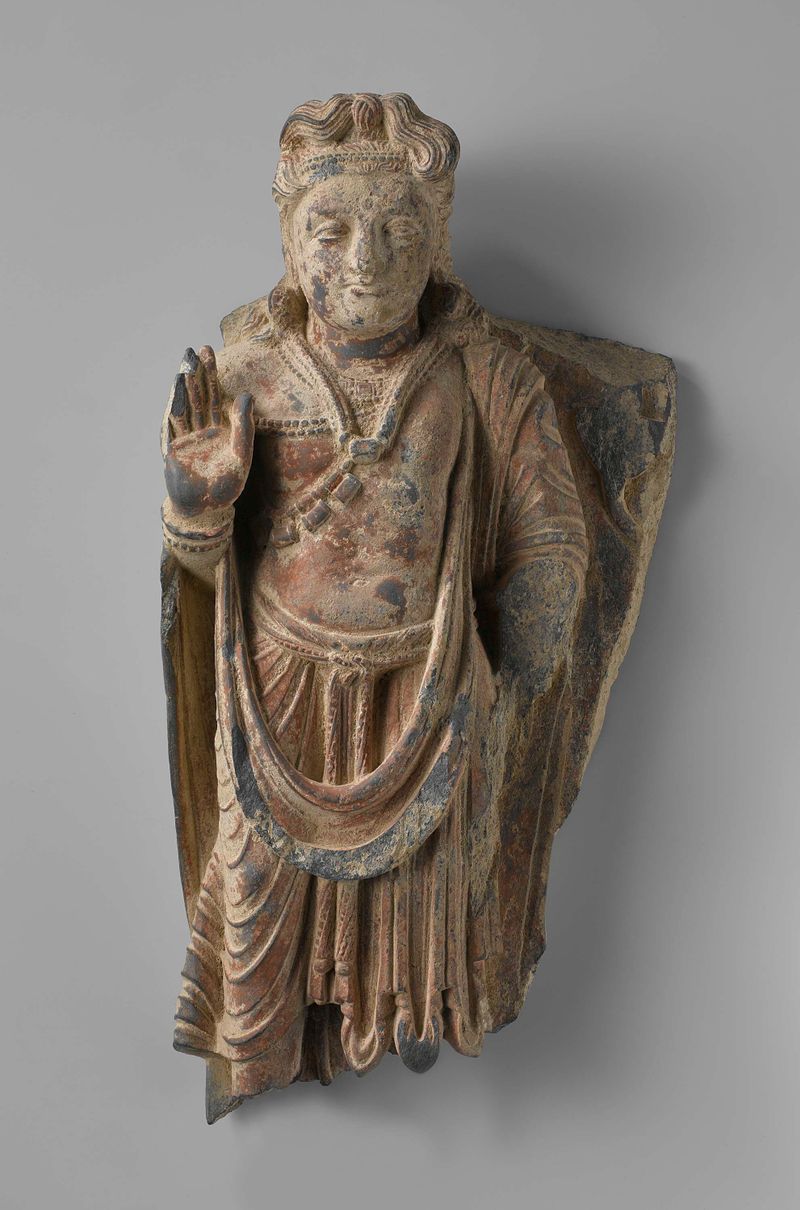
The bodhisattva Maitreya
Unknown Artist

Teabowl with a 'hare's fur' glaze
Unknown Artist





