
At the Edge of a Forest — History & Facts
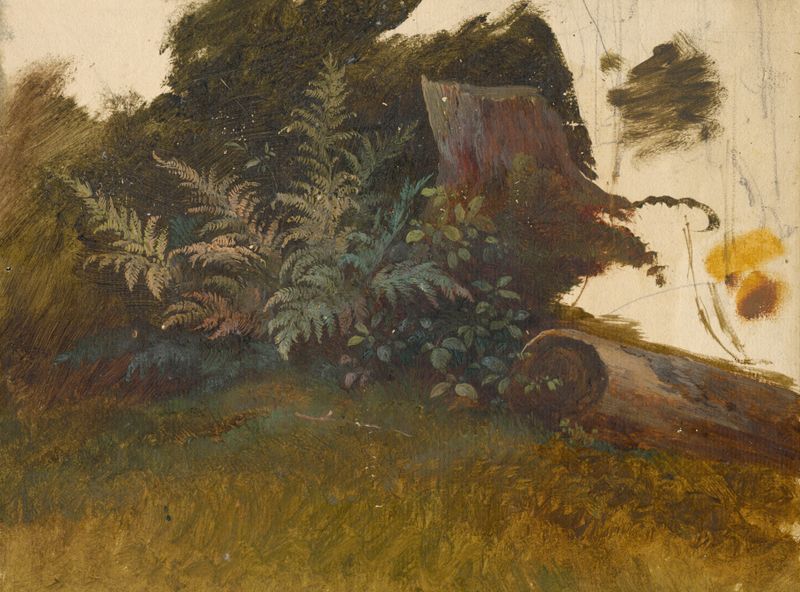
This duality invites us to explore the profound revelations that lie hidden in nature's embrace. Look to the left at the deep emerald foliage, where the light filters through the leaves, casting an ethereal glow on the forest floor. The rhythmic play of hues, from the vibrant greens to the earthy browns, draws the viewer’s eye into the depths of the woods. Notice the delicate brushstrokes that create a whispering texture, revealing the artist's intimacy with the landscape—a subtle invitation to witness the serene yet powerful allure of the natural world. As you engage further, consider the contrasting elements at play: the vibrant life of the forest against the haunting stillness of the edge.
The juxtaposition between the dense trees and the openness of the foreground elicits a feeling of anticipation—what lies beyond? This tension mirrors the emotional journey of self-discovery, urging us to confront our own boundaries between safety and the unknown. Small details, such as the dappled sunlight illuminating patches of wildflowers, evoke a sense of fleeting beauty, urging us to find meaning in the transient moments of life. Painted in 1890, this work emerged during a time of great transformation in the art world, as movements like Impressionism began to challenge traditional techniques. Scheidlin, influenced by the Romantic ideals of nature and introspection, sought to capture the essence of the landscape with a fresh vision.
While he was relatively lesser-known, his commitment to exploring the emotional resonance of nature marked a pivotal moment in his artistic development, reflecting the broader shifts occurring within European art at the close of the 19th century.
More Artworks by Friedrich Carl von Scheidlin
Browse all →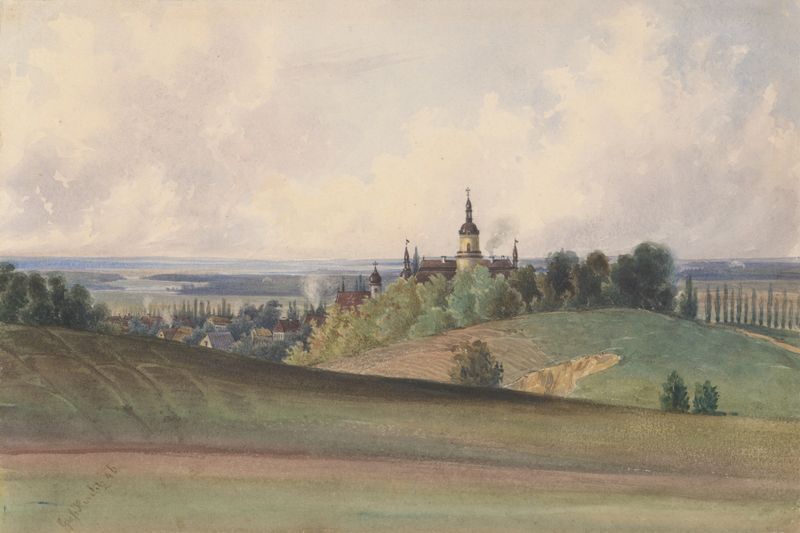
View of Gross Herrlitz
Friedrich Carl von Scheidlin
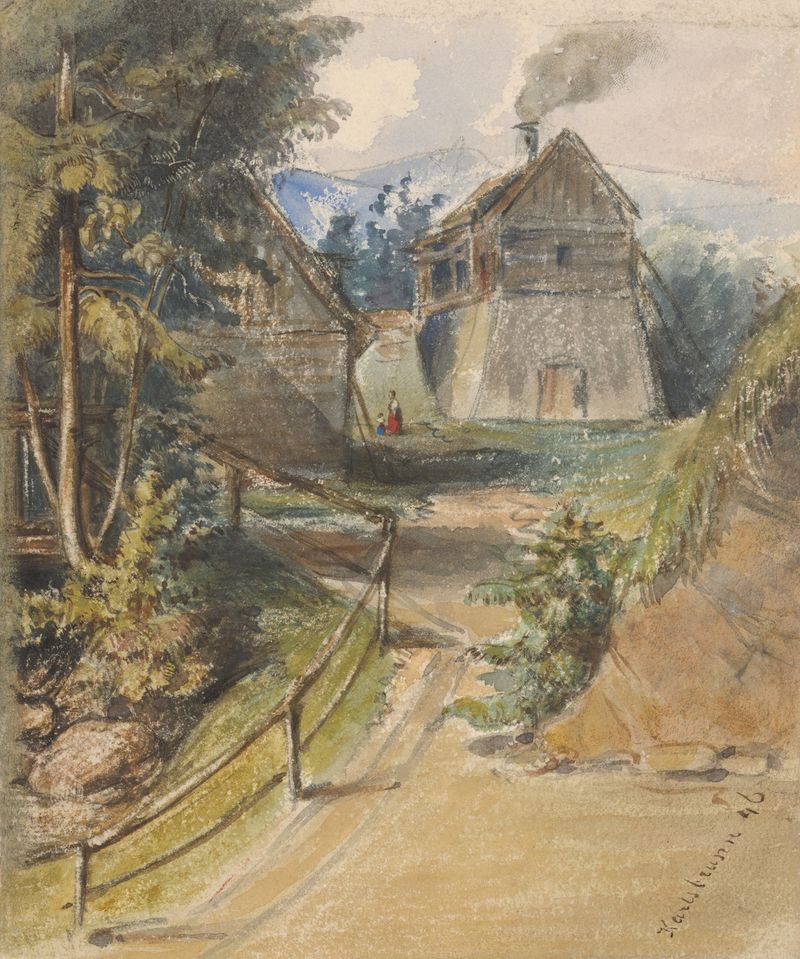
Motif from Karlsbrunn
Friedrich Carl von Scheidlin
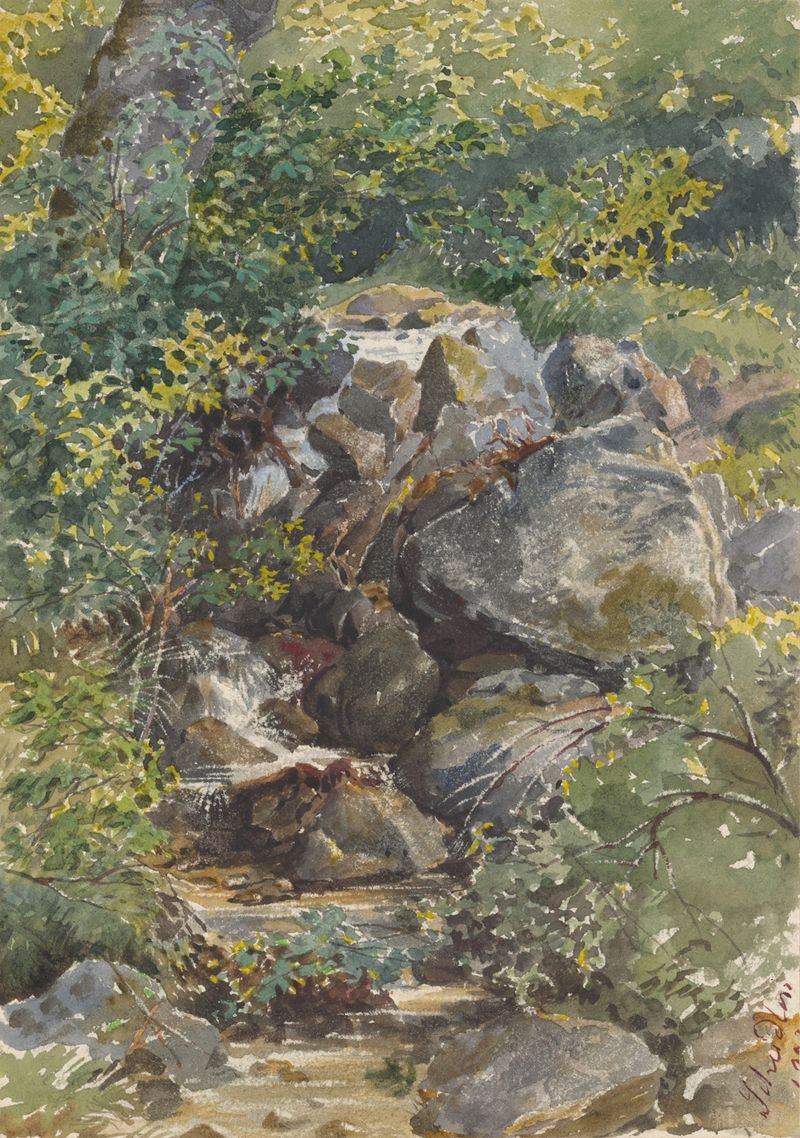
Forest Brook
Friedrich Carl von Scheidlin
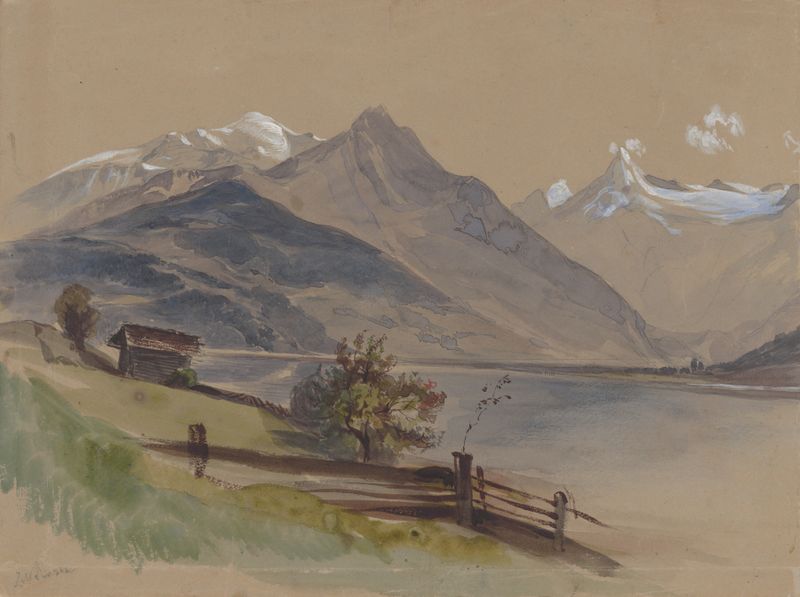
Alpine Landscape with a Lake
Friedrich Carl von Scheidlin
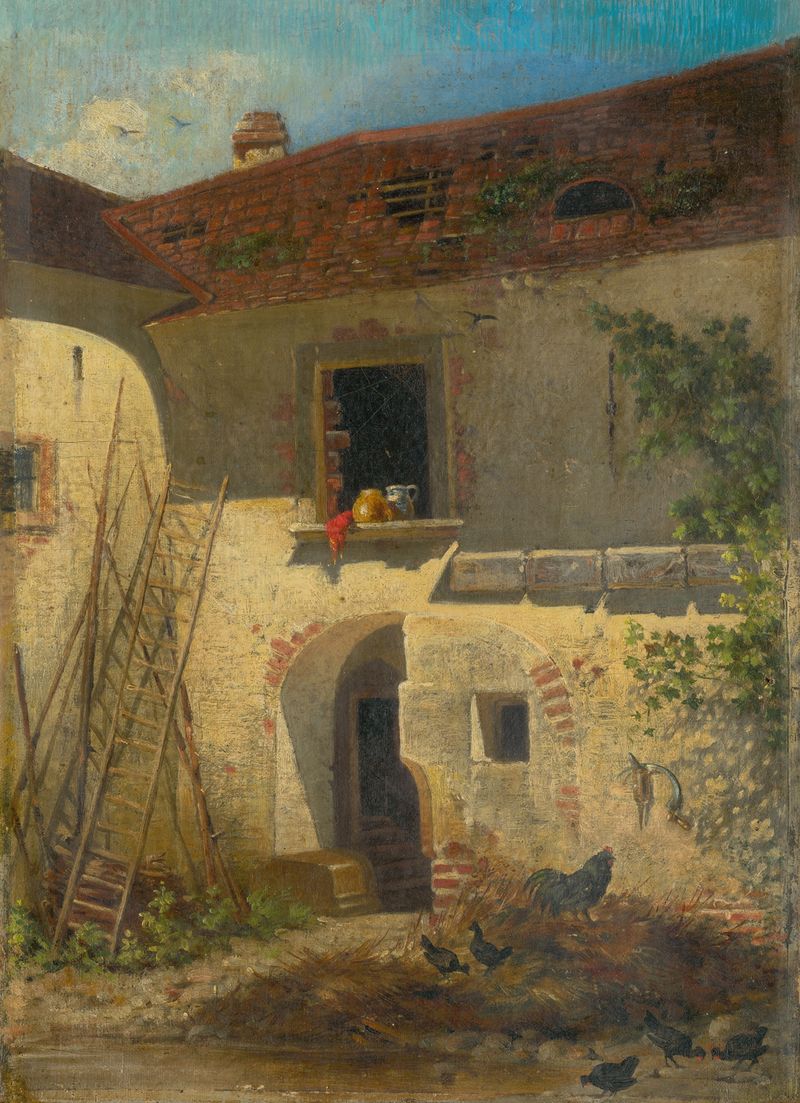
Old Farm Yard in Jur
Friedrich Carl von Scheidlin
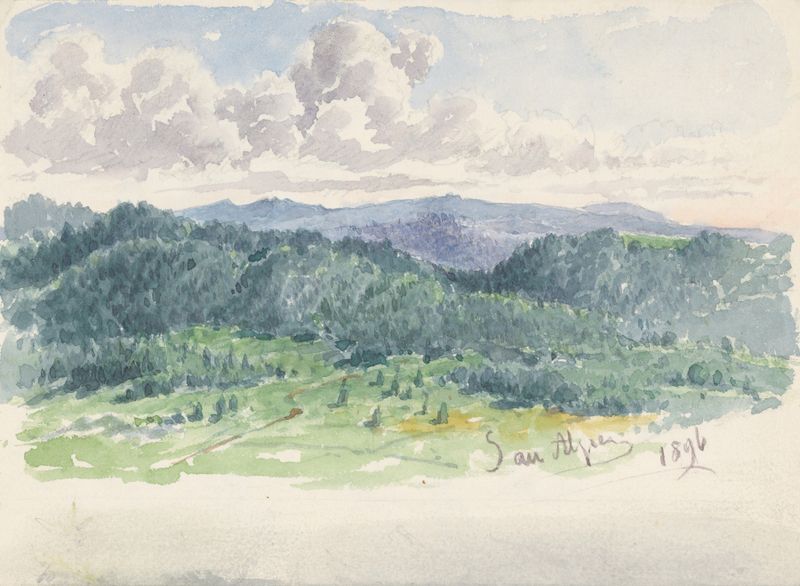
Mountain Landscape
Friedrich Carl von Scheidlin
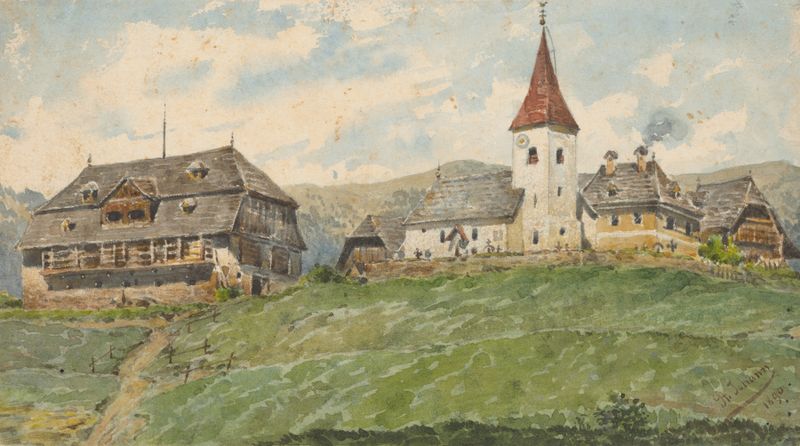
View of St. Johann
Friedrich Carl von Scheidlin
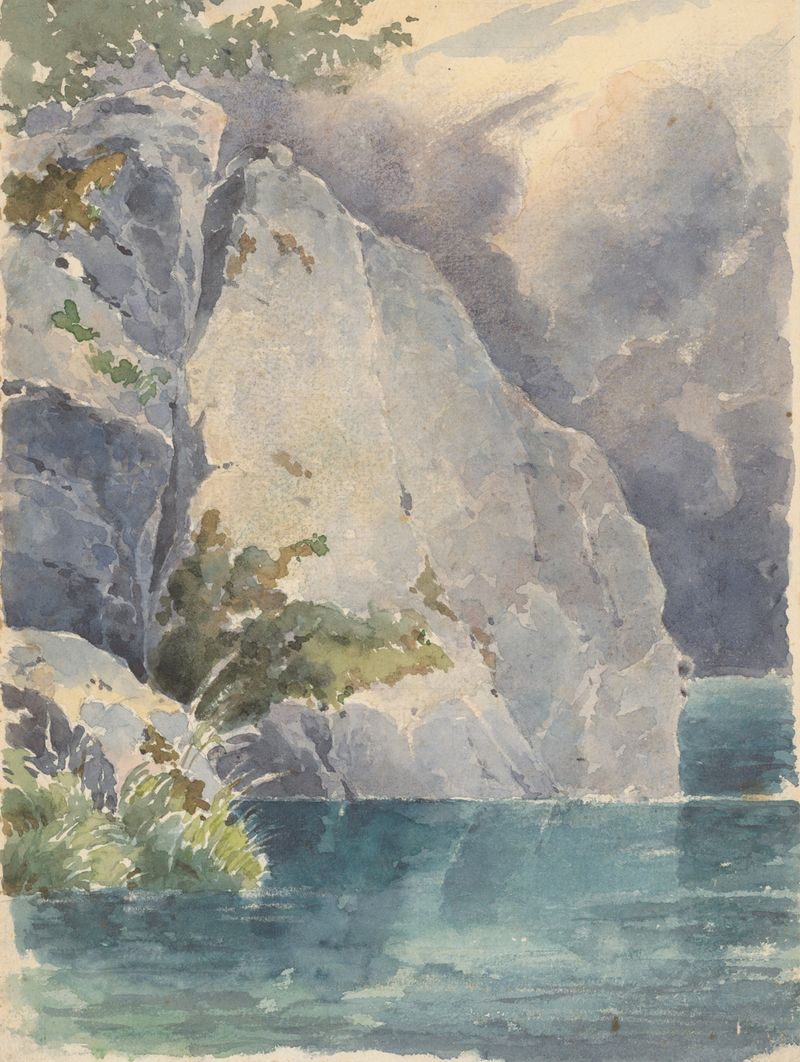
Rock above a Lake
Friedrich Carl von Scheidlin
Mountain Vegetation
Friedrich Carl von Scheidlin
Old Yard
Friedrich Carl von Scheidlin





