View of Taurów in Podole — History & Facts
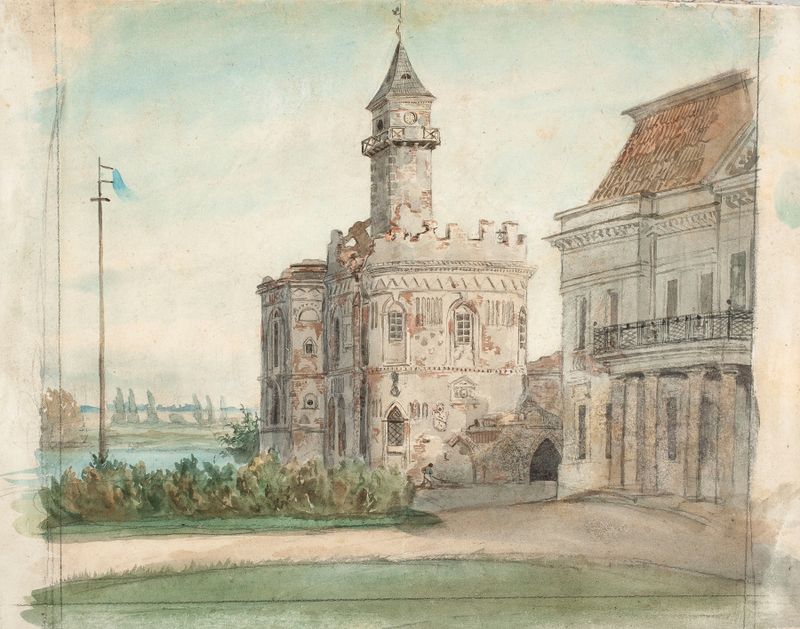
In View of Taurów in Podole, an atmosphere of longing permeates the landscape, inviting viewers to reflect on the spaces between memories and the present. The scene is not merely a depiction of a locale; it embodies the essence of a cherished past, filled with both beauty and the ache of nostalgia. Focus on the rolling hills that cradle the small village, their gentle undulations painted in vibrant greens and soft browns. Notice how the sunlight spills across the landscape, casting a warm glow on the quaint rooftops, effectively drawing your gaze to the intricacies of the architecture.
The artist’s meticulous attention to detail reveals not only the physical beauty of the region but also a deeper emotional resonance — the longing for a home that exists in both reality and memory. As you explore the canvas, pay attention to the sky, adorned with delicate clouds that seem to hold secrets of the past. The contrast between the vibrant earth tones and the soft blues creates a sense of balance, yet also communicates an underlying tension — the fleeting nature of beauty and the inevitable passage of time. The carefully placed figures, engaged in daily activities, remind us of the simple joys that reside within a community, but they, too, are reminders of the distance between memories and the present moment. In 1879, Juliusz Kossak painted this work while living in Poland, a time when the nation was undergoing significant political and social changes.
The artist was known for his vivid depictions of landscapes and historical subjects, and during this period, he was deeply engaged in capturing the essence of his homeland. This painting reflects not only his personal connection to Podole but also the broader search for identity and belonging in a rapidly changing world.