View Of The Amalfi Coast — History & Facts
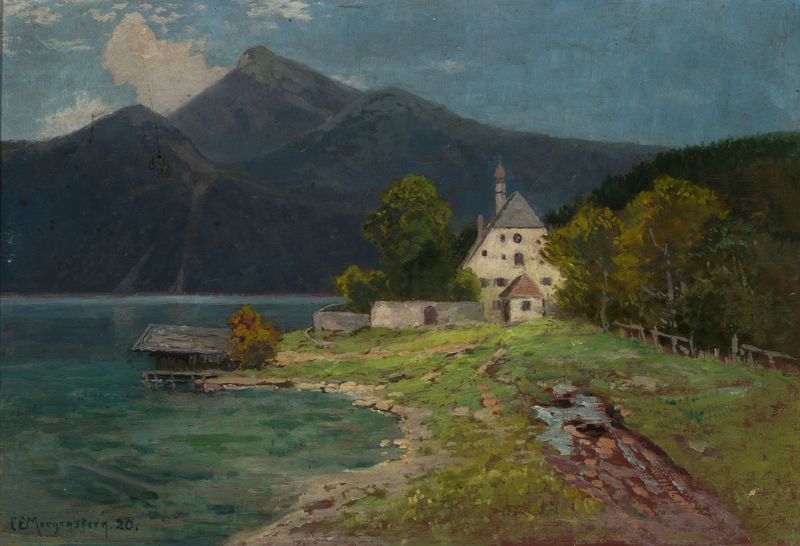
Could beauty survive in a century of chaos? In View Of The Amalfi Coast, ethereal serenity emerges from the tumult of the 19th century, offering a moment of transcendence that captivates the viewer’s spirit. Look to the left, where the sun bathes the rocky cliffs in warm hues of gold and ochre. The shimmering blue of the Mediterranean sprawls across the canvas, inviting you to lose yourself in its depths. Morning light dances on the water’s surface, while the delicate brushstrokes create a sense of rhythm, as if the waves are eternally lapping against the shore.
The composition is masterfully balanced, drawing the eye toward the quaint villages nestled among the rugged landscape, their whitewashed buildings glowing like pearls against the vibrant backdrop. A sense of contrast permeates the painting—the tranquil coastline juxtaposed with the dramatic cliffs, representing the duality of nature's beauty and danger. The gentle clouds hint at an impending storm, which adds an undertone of tension and unpredictability, while the bustling coastline conveys life and movement, celebrating the resilience of humanity amidst the natural world's sublimity. Each element whispers of both solitude and connection, evoking a longing for a more profound understanding of existence. In 1867, while creating this piece, Morgenstern was based in Germany, engaged in a period where Romanticism was giving way to realism.
His focus on coastal landscapes reflected a broader interest in capturing nature’s sublime beauty, which was ever more significant in a time marked by industrial expansion and societal upheaval. As Europe grappled with change, his work offered a serene escape, a reminder of the enduring power of beauty.