View of the Rue de Lamitie — History & Facts
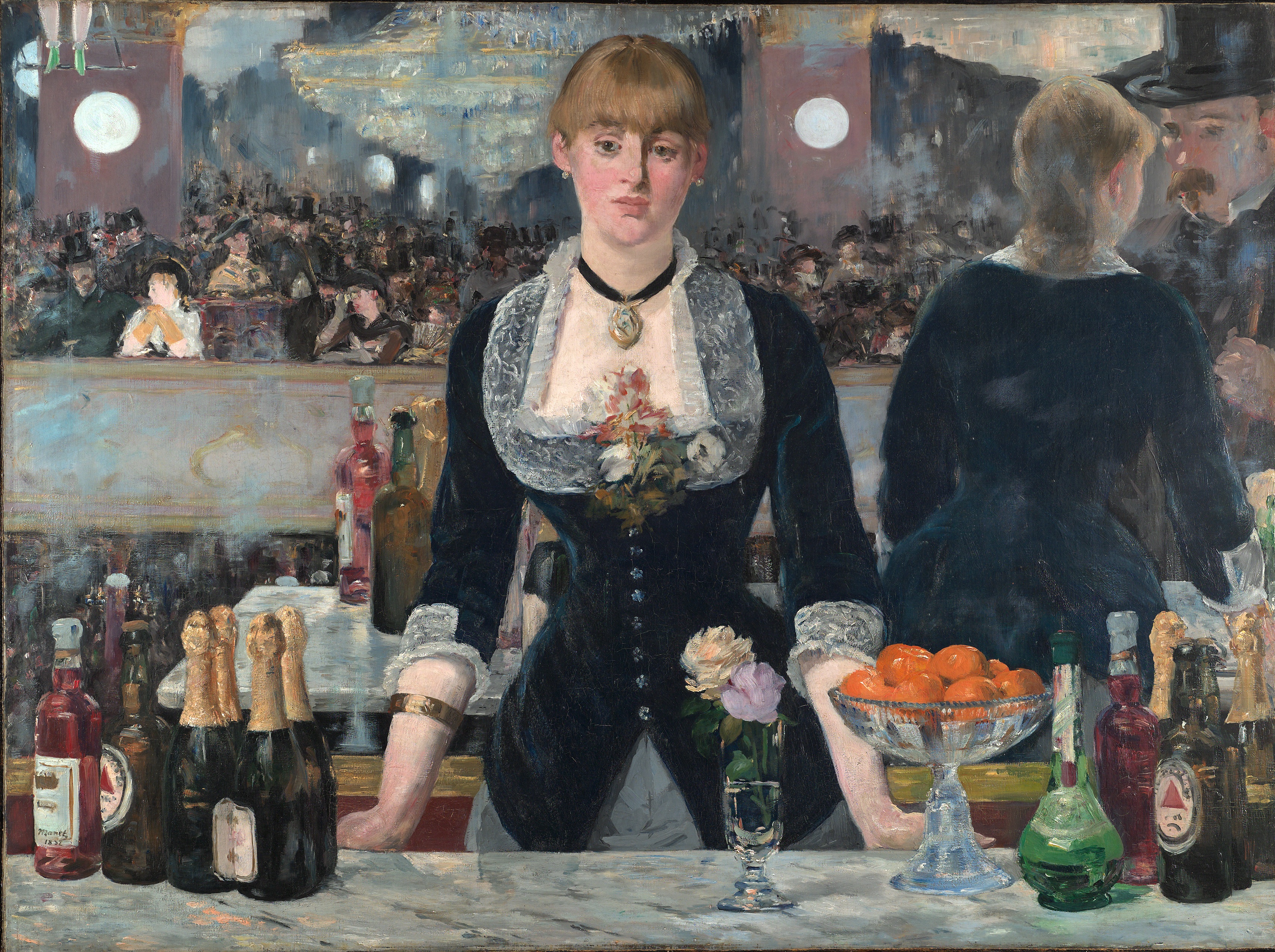
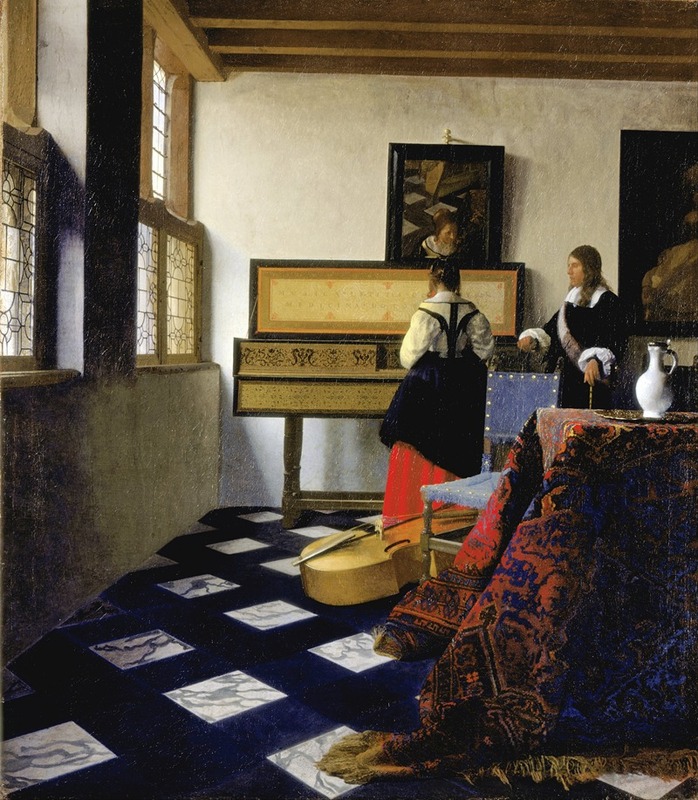
In View of the Rue de Lamitie, hued in muted tones, emptiness breathes life into the canvas, revealing a poignant coexistence between nostalgia and longing. Look to the left at the elegantly draped curtains fluttering in the breeze, their soft texture contrasting with the rigid lines of the facades. Notice how the light falls upon the cobblestones, casting elongated shadows that evoke a sense of eerie stillness. The palette, predominantly soft grays and warm ochres, serves to amplify the sense of solitude, while the quaint architecture hints at the vibrancy that was once present but now lingers as mere memory. Delve deeper into the solitary figures positioned at the periphery—two women, their postures upright yet seemingly burdened.
Their absence of motion is striking, suggesting unspoken stories tethered to the very walls surrounding them. This subtle tension, between the liveliness of their environment and their apparent disengagement, encapsulates the theme of isolation amidst beauty. The pervasive emptiness resonates, capturing a fleeting moment where vibrancy is overshadowed by an inexplicable heaviness. Jules Lessore created this work during a period marked by rapid urbanization and societal change, likely in the late 19th century.
Living and working in Paris, he was influenced by the Impressionist movement, yet his distinct style revealed a unique focus on the quieter, sometimes melancholic aspects of city life. Amidst the bustling artistic world, Lessore’s exploration of empty spaces and unremarkable streets offers a reflection of a deeper emotional landscape, inviting viewers to contemplate the beauty hidden within absence.