View on the Beach — History & Facts
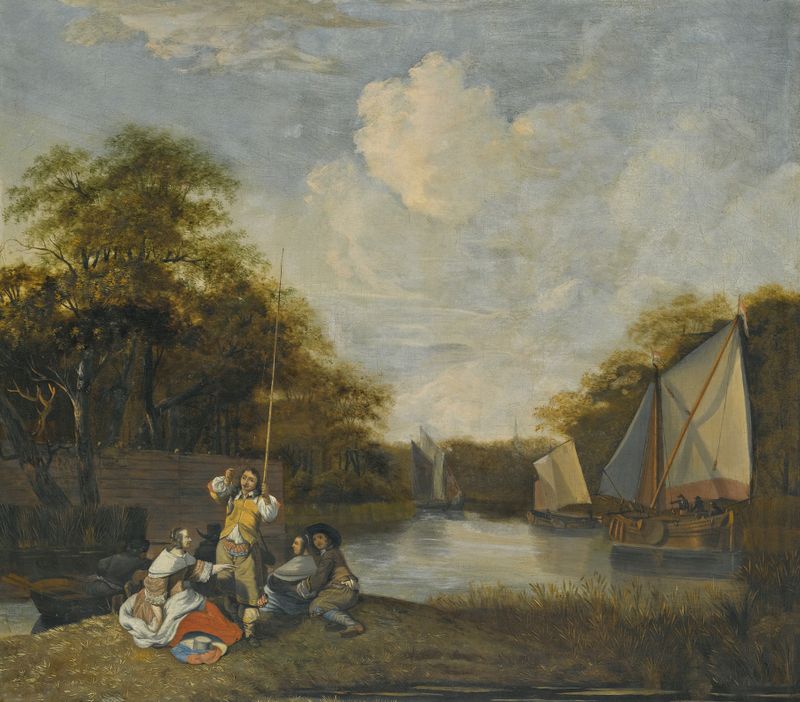
In the stillness of a moment, the beach transforms into a canvas of emotions, where nature whispers secrets and vibrant hues breathe life into the mundane. Look closely at the horizon where the azure sea kisses the pale sand, drawing your gaze to the distant figures enjoying the serenity. Notice how the soft light dances across the surface of the water, creating a shimmering effect that contrasts with the muted earth tones of the beach. The composition invites you inward, toward the play of shadows and highlights, while the scattered clouds suggest a fleeting shift in the day, evoking a sense of impermanence. The vivid colors symbolize the duality of joy and solitude, capturing fleeting interactions amidst the vastness of nature.
Each figure, seemingly absorbed in their own world, communicates a quiet introspection that reveals the human condition—transformation through experience. The varying degrees of light reflect emotional depth, suggesting that even in moments of joy, there lies an undercurrent of contemplation. Jacob Esselens painted this scene within the vibrant art landscape of the 17th century, a time when the Dutch Golden Age flourished. Working during the late 1650s and into the 1680s, he captured the essence of everyday life, influenced by the burgeoning interest in landscape painting.
His delicate balance of realism and emotive expression reveals a pivotal moment in his artistic journey, as well as the broader evolution of the genre during this period.