Views in England, Scotland, and Wales: Tour in Scotland: Furness Abbey — History & Facts
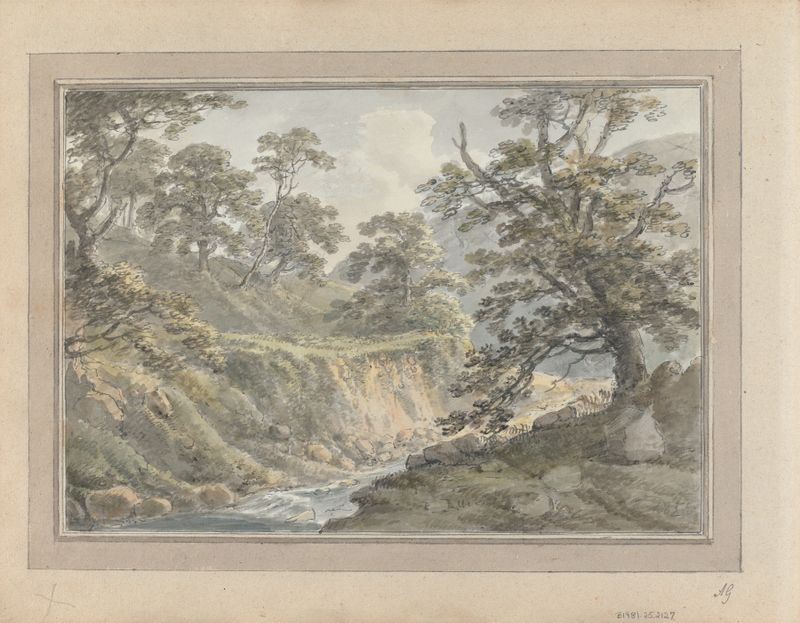
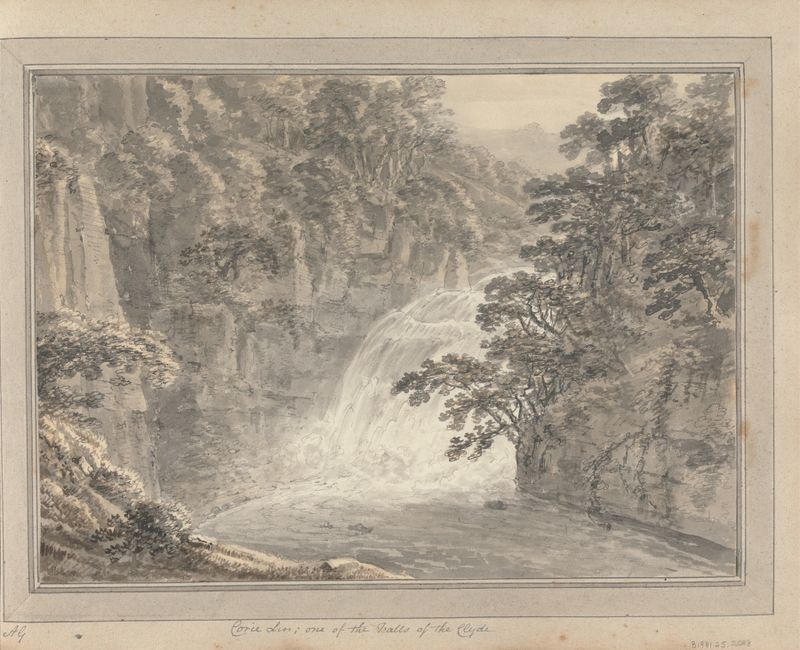
This reflection invites us to ponder the divine in our everyday experiences, revealing the beauty that often goes unnoticed. Look to the center of the composition; the ruins of Furness Abbey rise with solemn grace, enveloped in a gentle play of light and shadow. The soft greens and browns of the surrounding landscape cradle the weathered stones, while wisps of clouds overhead suggest an ethereal presence. Notice how the artist’s brush captures the textured surfaces of the abbey, each stroke echoing the passage of time, transforming decay into a serene monument of history. Delve deeper into the painting, where the contrast between nature and architecture hints at a dialogue between human ambition and the divine.
The creeping vines that embrace the ancient walls symbolize nature’s reclamation, suggesting that even in ruins, there is a sacredness. The quietude of the landscape invites reflection, while the distant hills stand as guardians, reminding us of the eternal cycle of life and death that unfolds in this hallowed ground. Amos Green painted this work in 1803 during a period marked by a growing Romantic interest in nature and the sublime. Living in England, he was influenced by the evolving perceptions of landscape and history, blending the natural world with remnants of human endeavor.
The artwork emerges from a time when artists were increasingly drawn to the spiritual aspects of their subjects, seeking to capture not just the physical but the essence of the places they represented.