
Vilnius hackney-coach — History & Facts
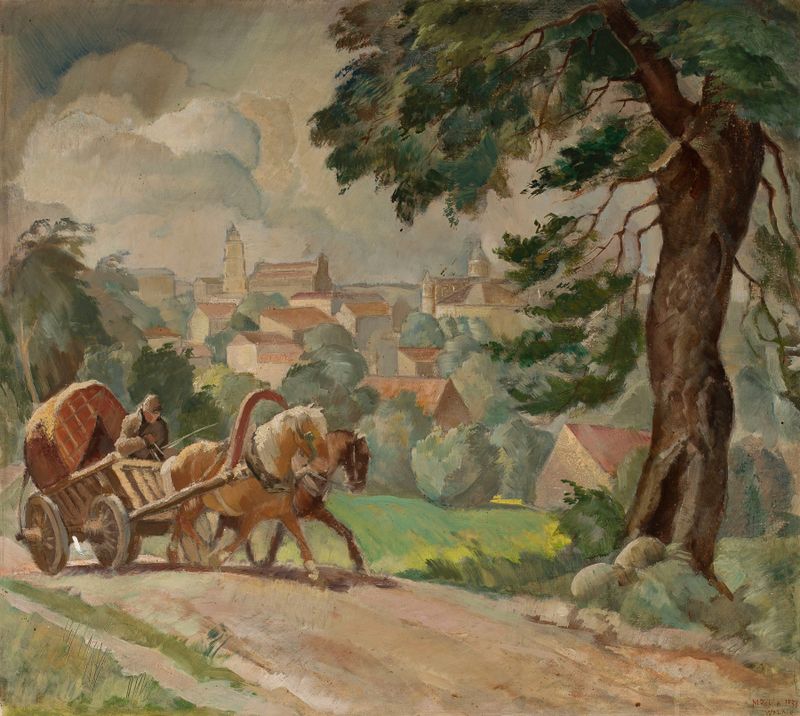
What if silence could speak through light? In Vilnius hackney-coach, the quiet yet piercing interplay between shadows and illumination evokes a sense of unease that lingers in the air. As you gaze upon the canvas, look to the left at the solitary figure of the coachman, his somber expression etched in deep, brooding tones. Notice how the muted palette emphasizes the absence of vibrancy, casting the scene in a melancholic haze. The light falls delicately on the horse, revealing the sinewy tension in its muscles as it stands alert, a creature on the edge.
Every brushstroke seems to echo the unspoken fears and hidden violence lurking beneath the surface of this seemingly tranquil moment. Delve deeper into the contrasts at play; the tranquil setting is juxtaposed with the palpable tension between the figures. The coachman’s rigid posture suggests a life of hardship, while the shadows looming in the background hint at something darker—potential danger or impending change. The stark absence of bustling life, typically associated with such a scene, amplifies the weight of the silence, as if the city itself is holding its breath.
This tension forces us to confront our own unease, reflecting on the fragility of peace in turbulent times. Michał Rouba painted this evocative piece in 1934, amidst a Europe on the brink of profound upheaval. During this period, he was navigating the political turbulence of interwar Poland, while simultaneously seeking a unique voice within the art world. His choice of subjects and themes often mirrored the strife surrounding him, capturing the emotional complexities of a society teetering between tradition and modernity.
More Artworks by Michał Rouba
Browse all →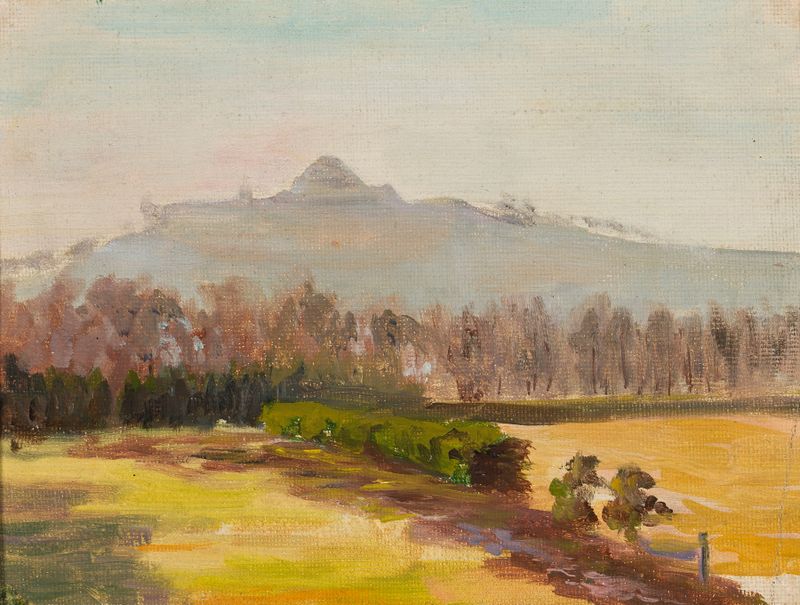
Landscape with a view of the Kościuszko Mound
Michał Rouba
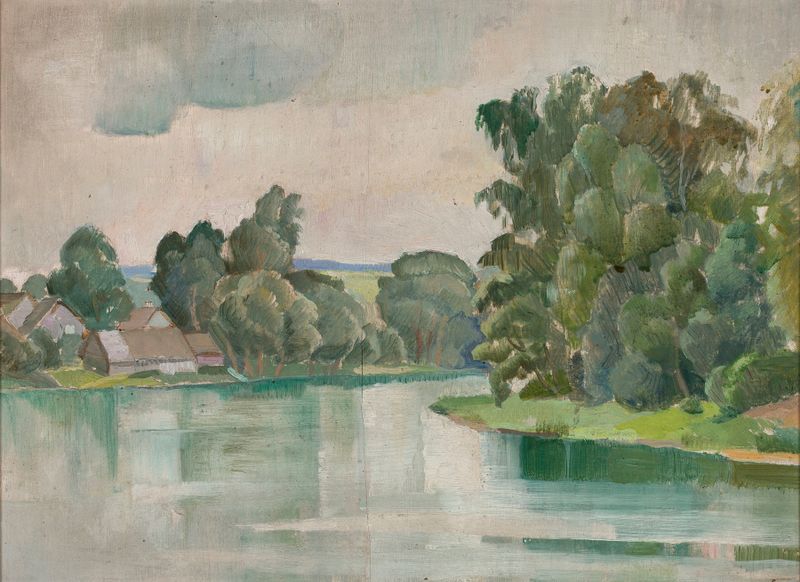
Village by a river
Michał Rouba
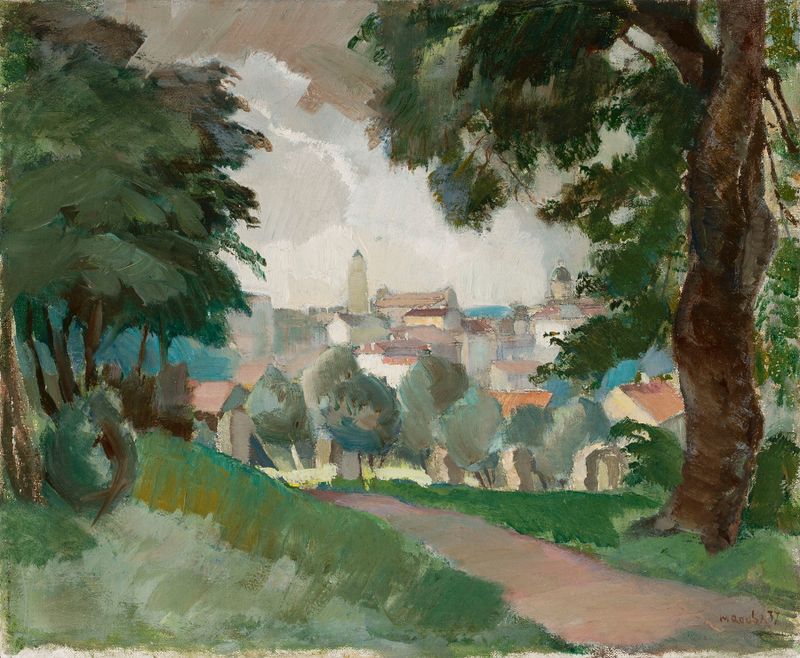
Widok Wilna wśród drzew
Michał Rouba
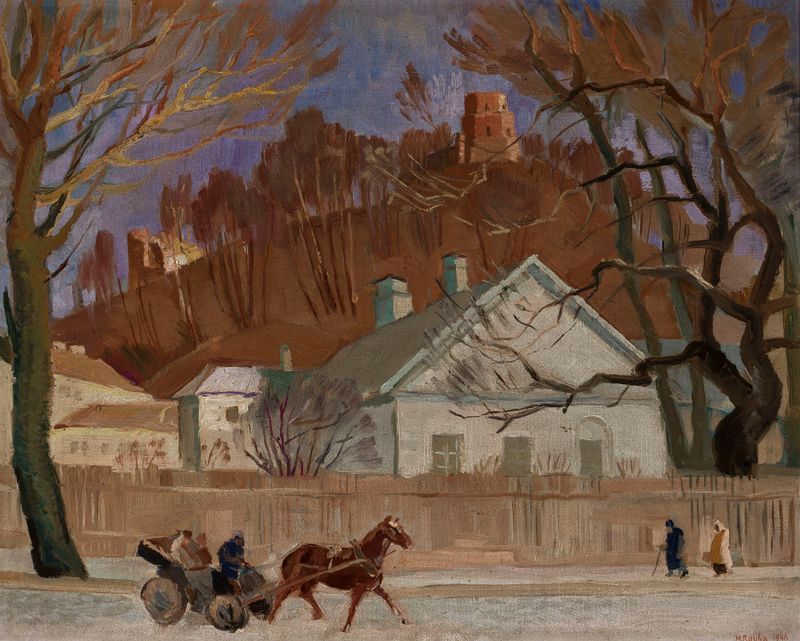
Gediminas Mountain in Vilnius
Michał Rouba
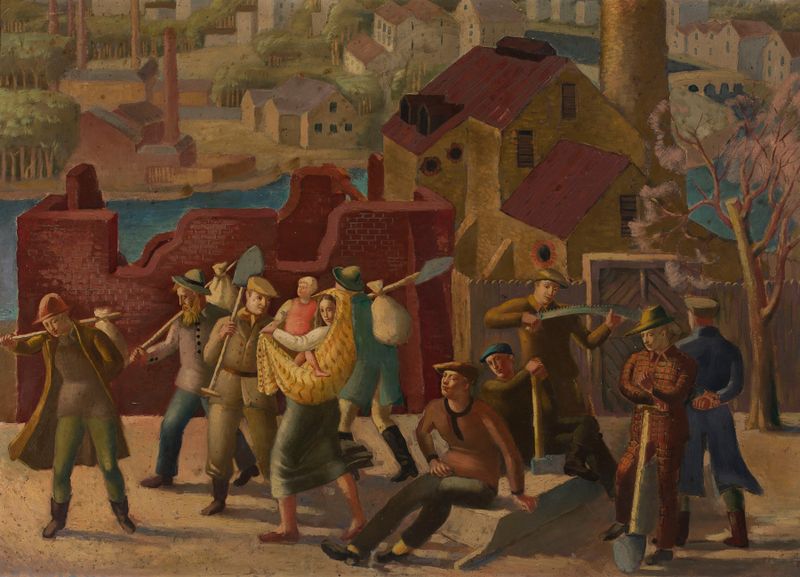
Urban landscape with workers against the background of a building
Michał Rouba
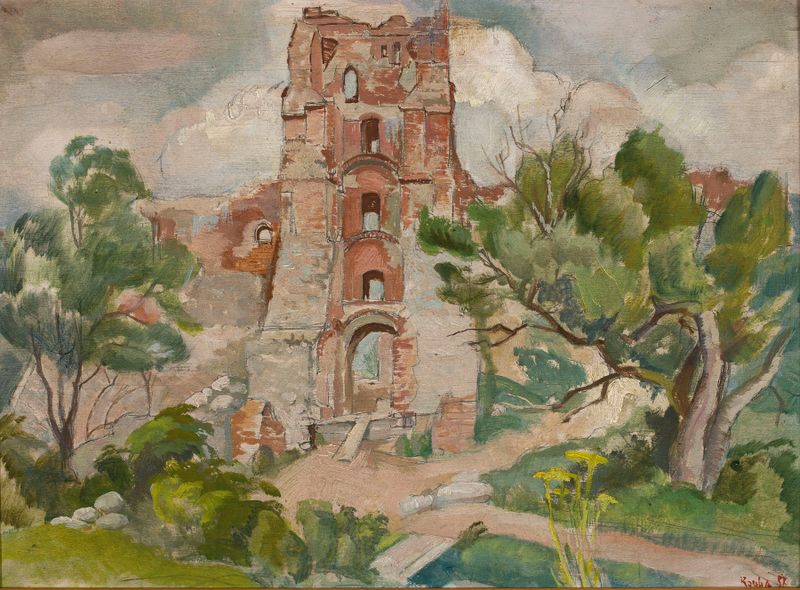
Tower in Troki
Michał Rouba
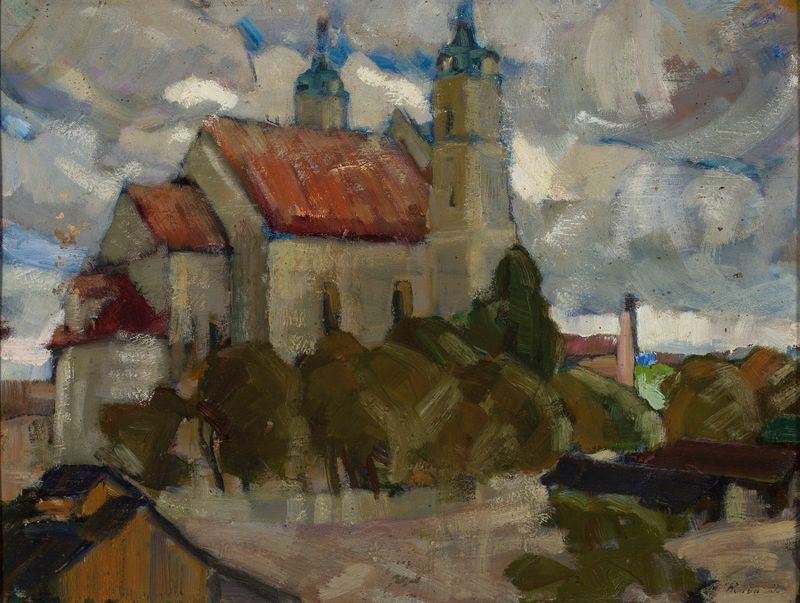
Church among trees
Michał Rouba
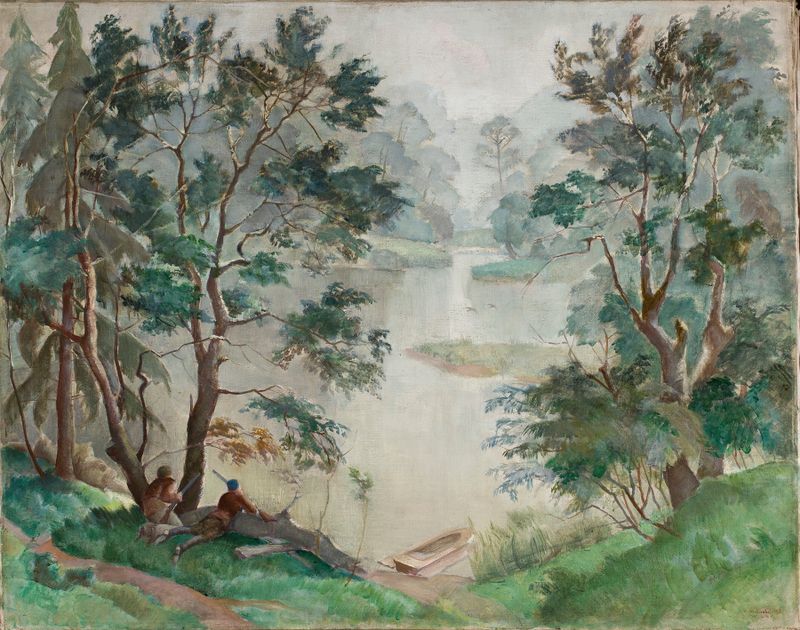
Autumn fogs
Michał Rouba
Two-horse cart on the road into town
Michał Rouba
Dull day
Michał Rouba





