Visiting a Friend in Autumn — History & Facts
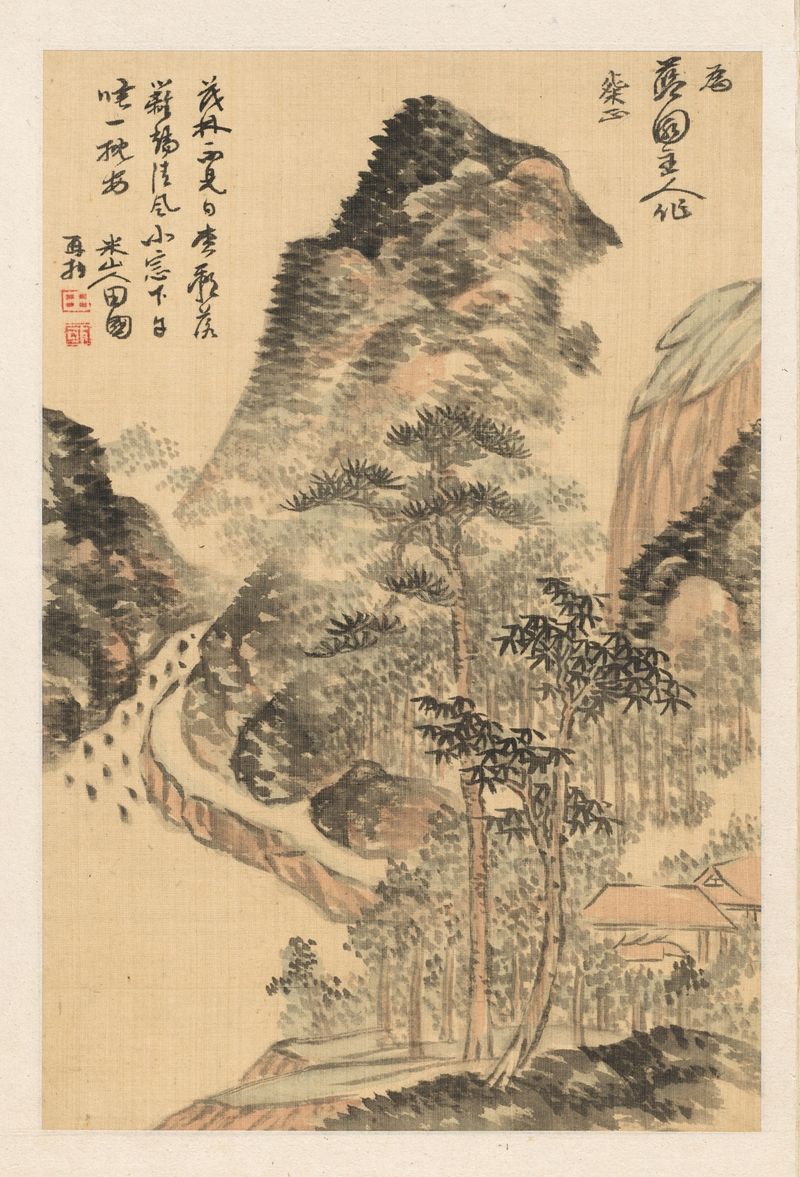
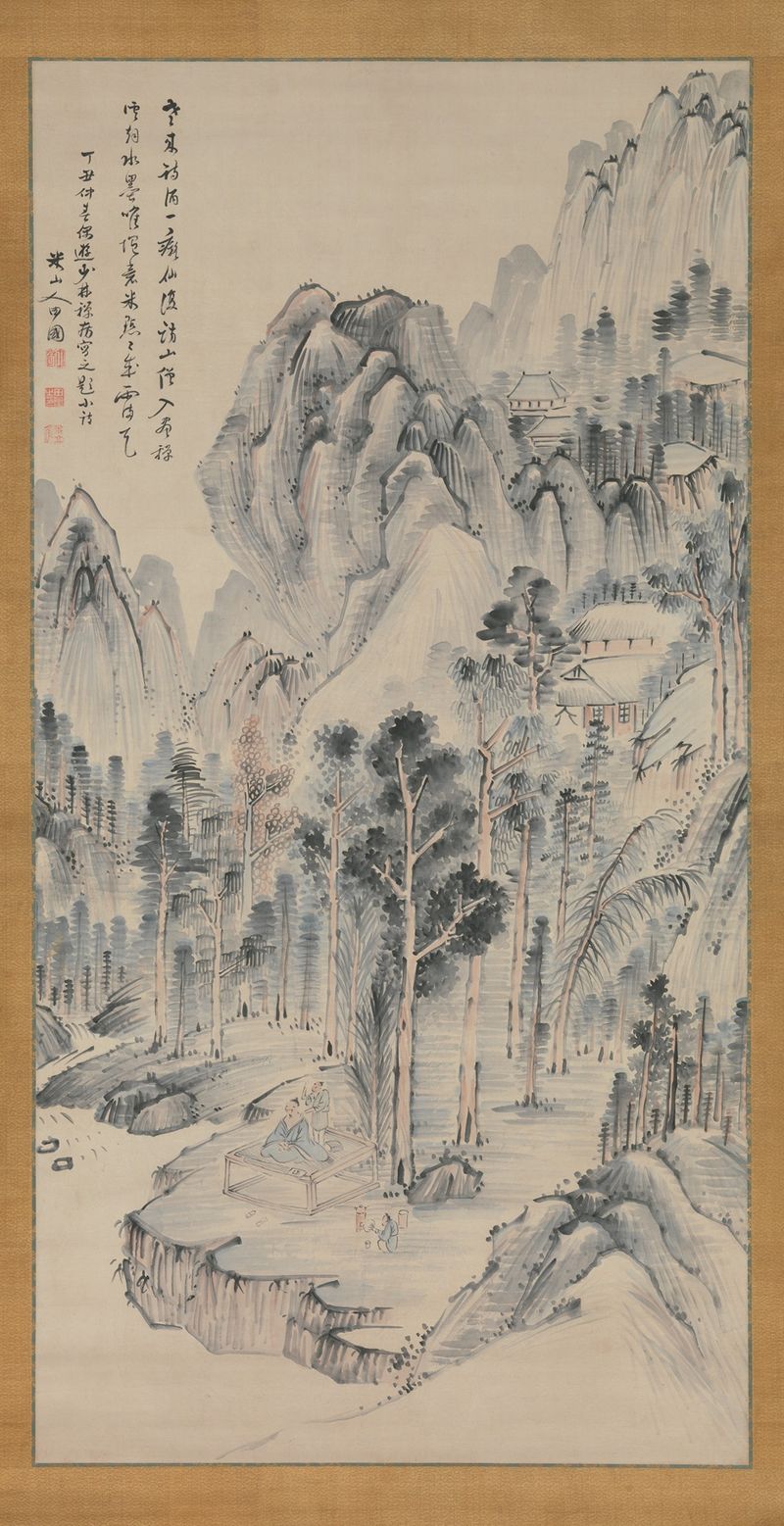
A gentle breeze rustles the golden leaves, sending them spiraling to the ground. Two figures, draped in warm clothing, stroll along a quiet pathway, sunlight filtering through the branches overhead. The world seems to hold its breath, cocooned in the warmth of autumn’s embrace. Look to the left at the vibrant hues of red, orange, and yellow, where the foliage bursts forth in a celebration of change.
The soft, dappled light dances across the scene, defining both the figures and the landscape in a delicate balance. Notice how the artist captures the texture of the leaves, each brushstroke imbued with the fleeting essence of the season, while the pair in the foreground engage in quiet conversation, their gestures animated but intimate. There is a poignant contrast between the vibrancy of nature and the subdued expressions of the figures, hinting at a deeper narrative of friendship amid the passage of time. The play of light accentuates this theme, inviting contemplation on the fleeting moments shared between friends.
The autumnal setting becomes a metaphor for both change and continuity, reminding us that even as seasons shift, connections endure. Created during a period of deep reflection in Japanese art, the artist composed this piece likely in the late 19th to early 20th century, when there was a resurgence of interest in traditional themes. Okada Beisanjin, active during this time, sought to blend the influences of Western techniques with the sensitivity of Japanese aesthetics, capturing the ephemeral beauty of life in a world increasingly marked by modernity.