
Voorkant van penning met portret van Koning Ferdinand I van Hongarije en Bohemen, ten halven lijve — History & Facts
In the face of madness, clarity often emerges, and in this striking piece, the intricate details wake a silent dialogue between the ruler and the observer. Look closely at the finely rendered features of the king; the delicate lines of his face reveal a blend of nobility and vulnerability. Focus on the way the light dances across the surface, enhancing the contours of his visage, each shadow whispering secrets of a complex identity. The use of gold and muted earth tones evokes both majesty and restraint, inviting the viewer to dive deeper into the layers of his expression, searching for the madness that might lie just beneath the surface. The unadorned simplicity of the background amplifies the figure's presence, creating a stark contrast that reflects the weight of leadership amidst chaos.
The king’s gaze, both penetrating and distant, embodies the burden of power, suggesting a prelude to the conflicts that marred his reign. The coin itself, a relic of tangible value, becomes a metaphor for the fleeting nature of authority and the madness of ambition; it anchors the viewer in a moment of reflection on the true cost of sovereignty. Created between 1510 and 1550, this work emerged during a time of great turmoil in Europe, marked by political strife and the evolving landscape of Renaissance art. Hans Sebald Beham, a prominent figure in the Nuremberg School, was navigating the complexities of his artistic practice while grappling with the pervasive tensions of the Reformation.
This piece stands as a testament to how art can capture not only the likeness but the very essence of a moment in history.
More Artworks by Hans Sebald Beham
Browse all →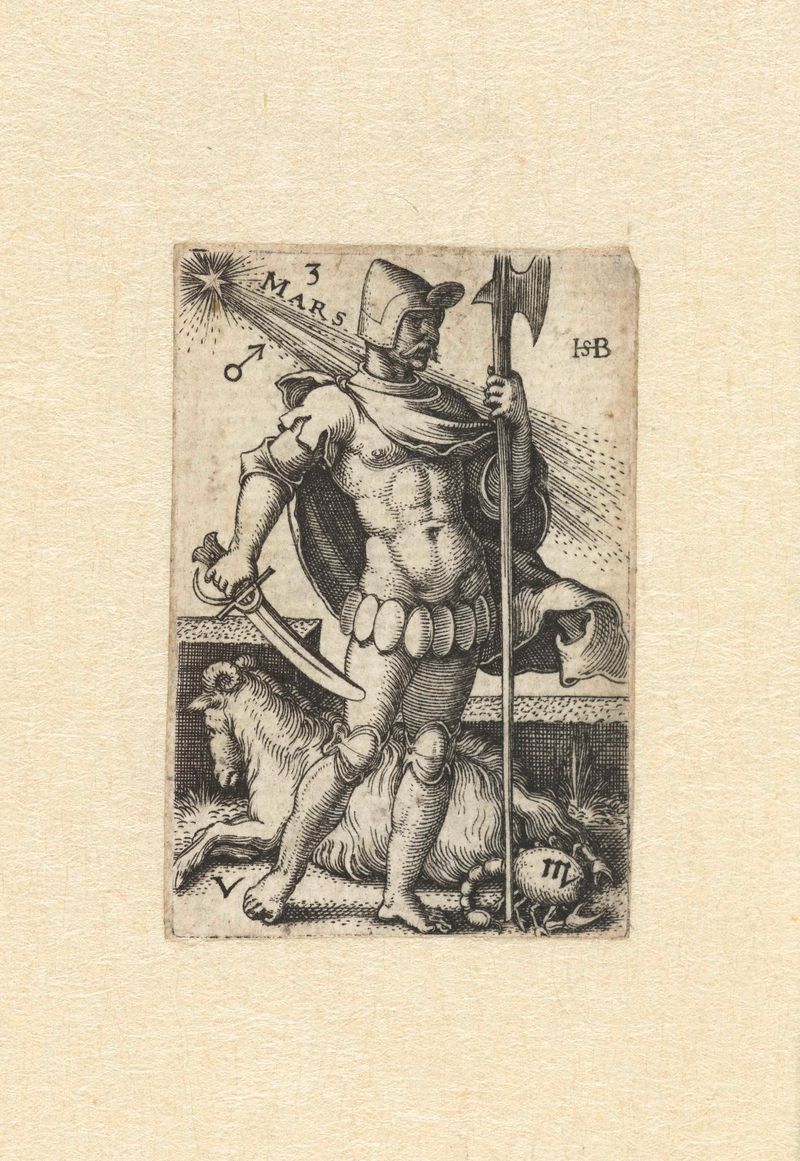
Mars met sterrenbeelden Ram en Schorpioen
Hans Sebald Beham

Achilles in gevecht met Hector
Hans Sebald Beham
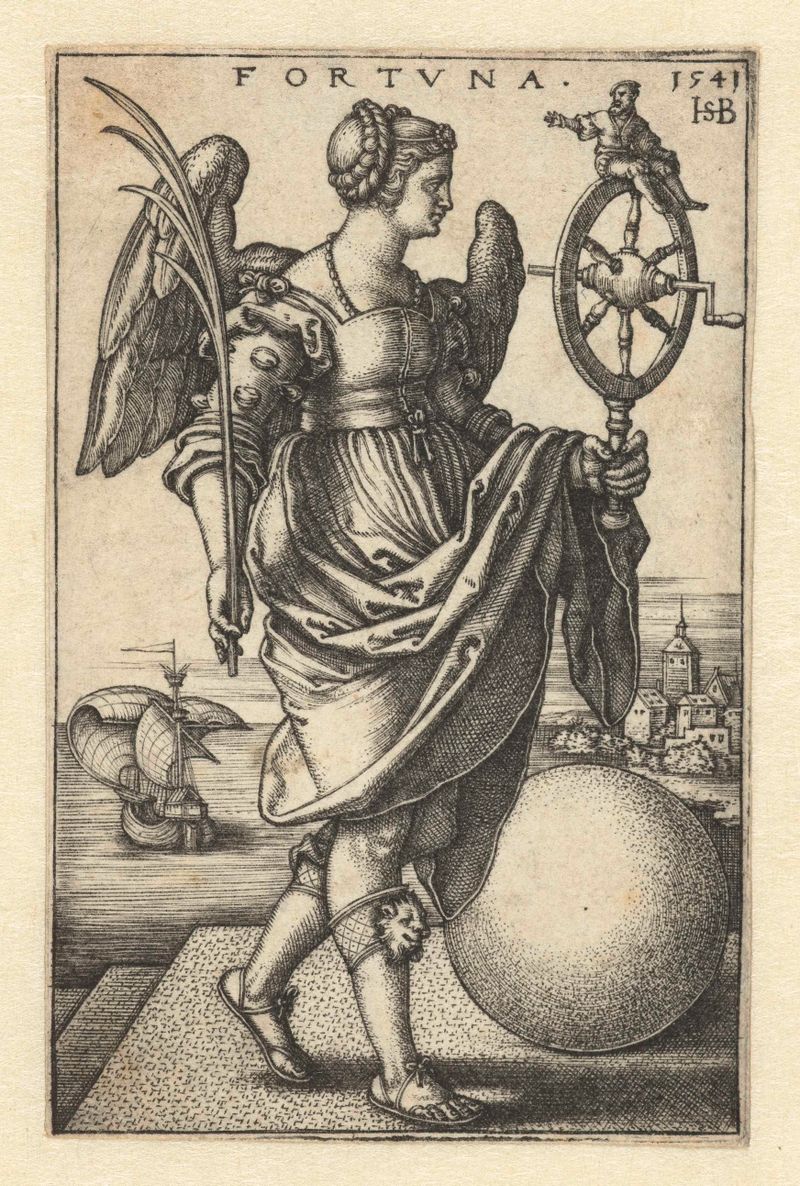
Fortuna
Hans Sebald Beham

Hercules worstelt met Antaeus
Hans Sebald Beham

Twee muzikanten met schalmey en doedelzak
Hans Sebald Beham

Voorzichtigheid (Prudentia)
Hans Sebald Beham

Hercules in gevecht met de Trojanen
Hans Sebald Beham
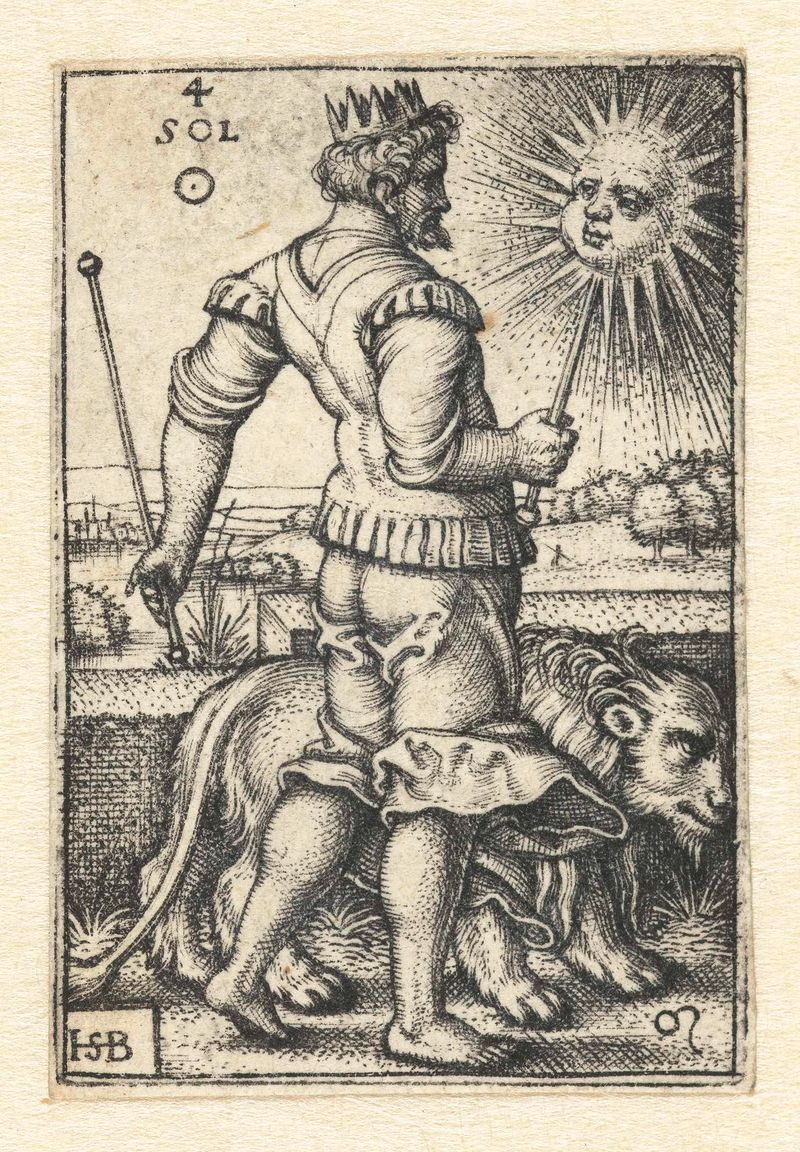
Apollo (Sol) met sterrenbeeld Leeuw
Hans Sebald Beham
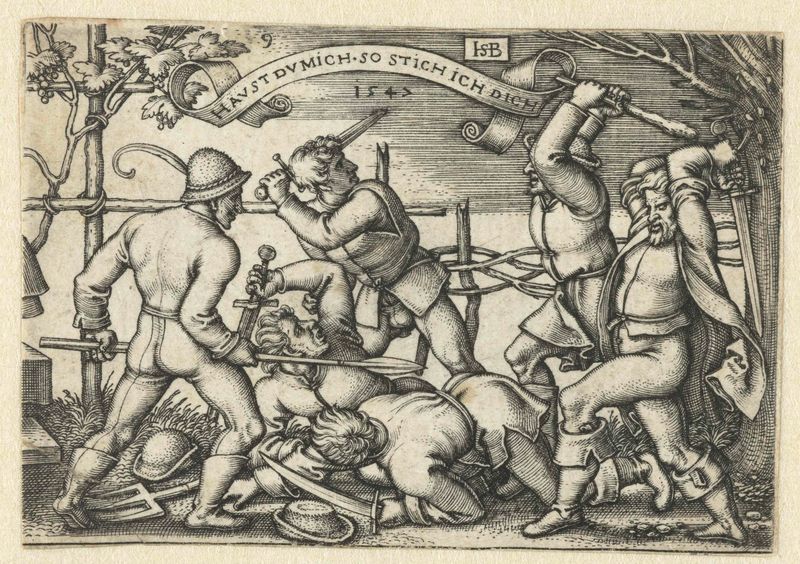
Vechtende boeren met zwaarden
Hans Sebald Beham
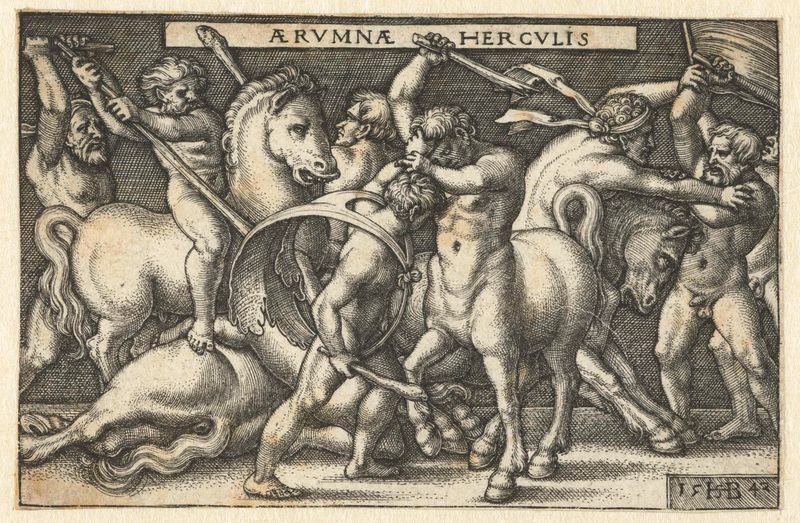
Hercules in gevecht met centaurs
Hans Sebald Beham
More Portrait Art
Browse all →
Las meninas
Diego Velázquez

Self-portrait with a Bandaged Ear and Pipe
Unidentified artist

Girl with a Pearl Earring
Johannes Vermeer

The Sampling Officials of the Amsterdam Drapers’ Guild, Known as ‘The Syndics’
Rembrandt van Rijn

The Hundred Guilder Print: the man seen on the back in the lower left corner
Rembrandt van Rijn

Portrait of Dr Gachet
Vincent van Gogh