
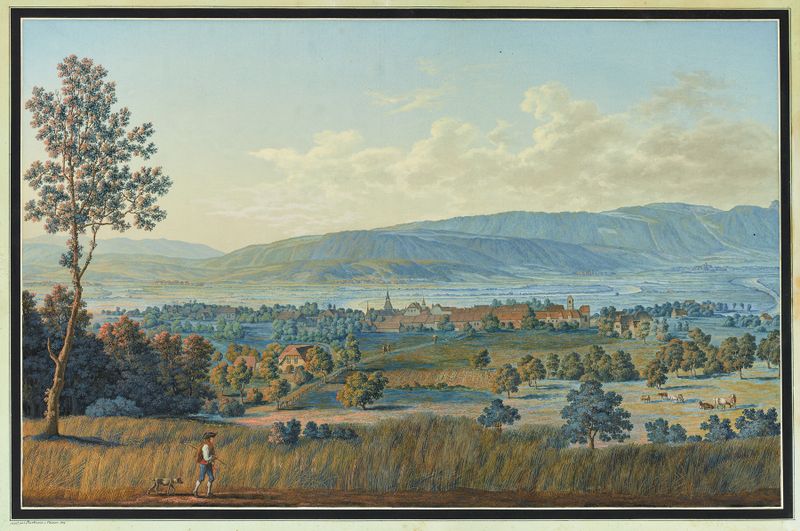
Vue de Freinvillers et de la Vallée d’Orvin, sur la route de l’Erguel, à 1 lieue de Bienne en allant contre Delemont — History & Facts
When did color learn to lie? A canvas speaks volumes, infused with emotion and a glimmer of hope, revealing the silent conversation between nature and the artist’s brush. Focus on the lush verdant hills that stretch across the canvas, drawing your gaze toward the horizon where they dissolve into the azure sky. The interplay of light and shadow creates a gentle rhythm, as soft pastels meld seamlessly with vibrant greens, evoking a serene yet dynamic landscape. Notice how the delicate brushstrokes convey a sense of movement, as if the breeze whispers through the trees, inviting the viewer to step into this tranquil scene. Hidden within the layers of color, we find a dialogue between the land’s beauty and the transient nature of human emotion.
The rolling hills speak of stability, yet the fleeting clouds remind us of the impermanence of life, suggesting that hope is ever-present, even amidst uncertainty. Each element, from the winding path to the distant village, hints at a journey — one that is both physical and metaphorical, urging us to consider our own pathways toward light and clarity. The piece emerged from the hands of Johann Joseph Hartmann, painted during a period when the Romantic movement was beginning to flourish in Europe. Though the exact date remains uncertain, the artist’s focus on the majesty of the natural world reflects the zeitgeist of the early 19th century, a time marked by a yearning for connection with the sublime.
Hartmann, based in Switzerland, captured this landscape amidst the profound changes in society and art, offering a moment of solace in an ever-evolving world.
More Artworks by Johann Joseph Hartmann
Browse all →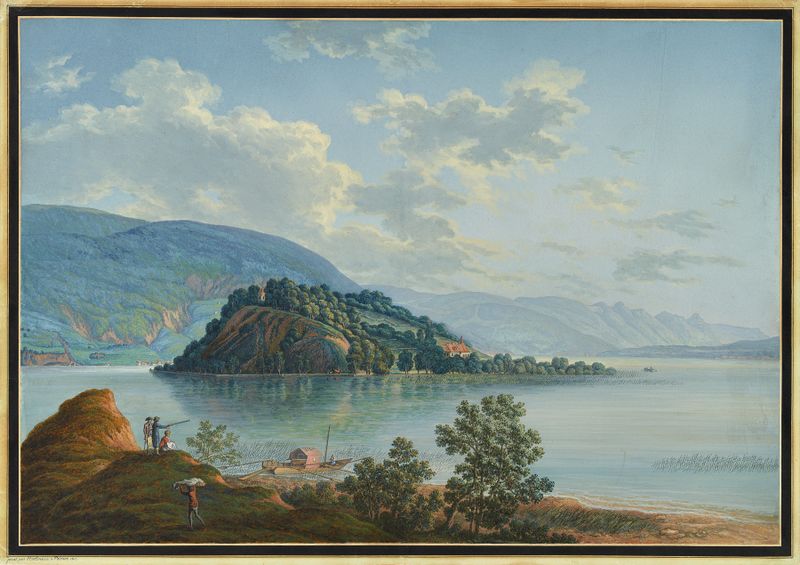
Die St. Petersinsel von Süden
Johann Joseph Hartmann

Vue de l’Isle de St. Pierre sur le Lac de Bienne.
Johann Joseph Hartmann
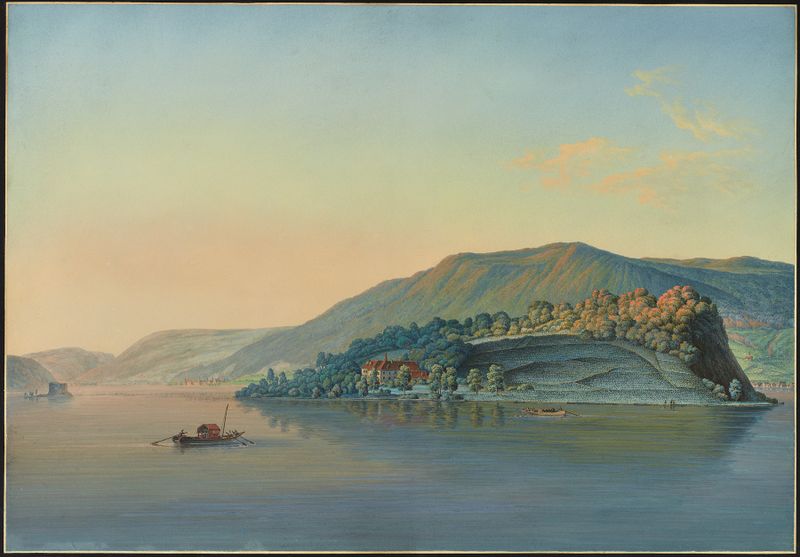
Die St. Petersinsel von Norden
Johann Joseph Hartmann
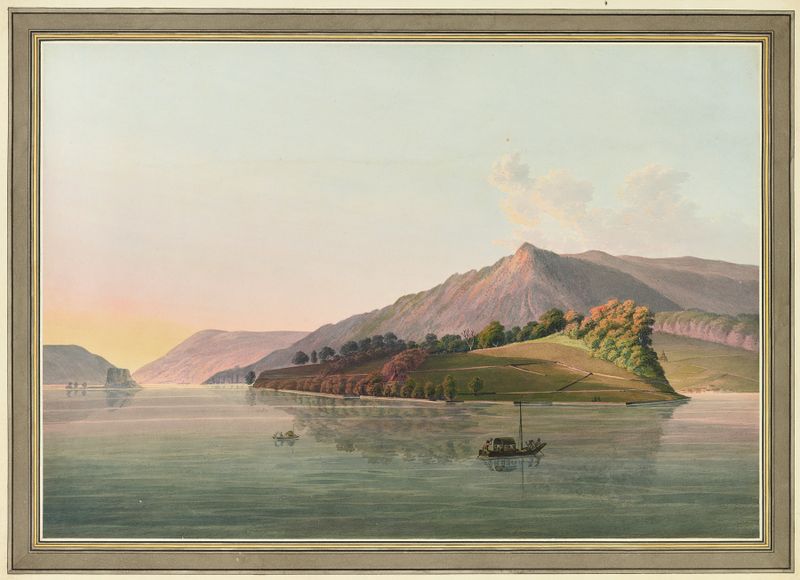
Island of St. Peter
Johann Joseph Hartmann
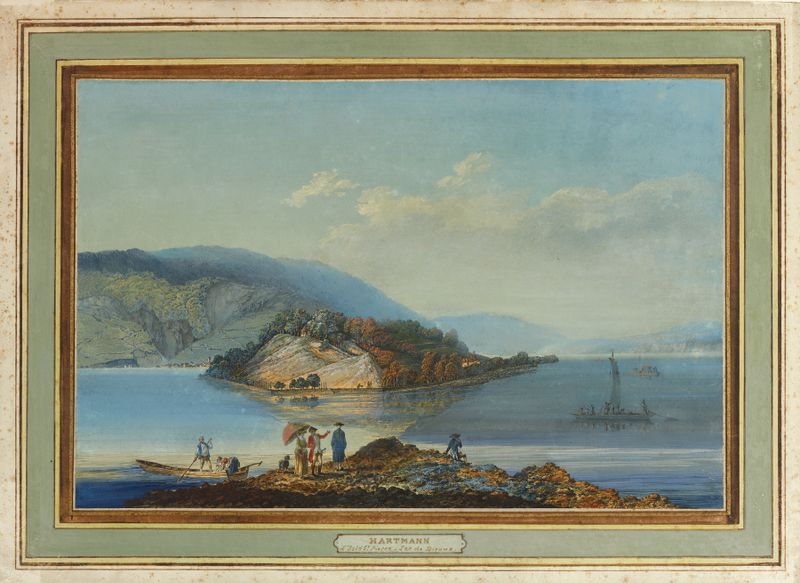
Vue de l’Isle de St. Pierre sur le Lac de Bienne
Johann Joseph Hartmann
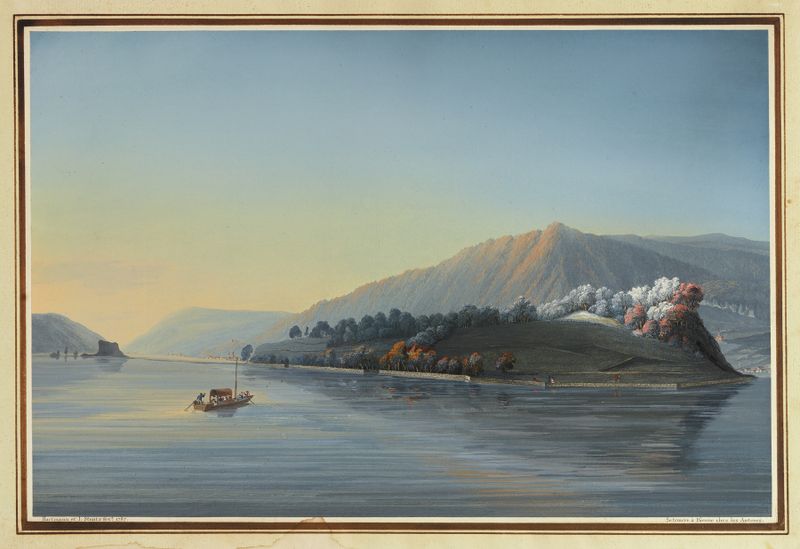
Vue de l’Isle de St. Pierre sur le Lac de Bienne
Johann Joseph Hartmann
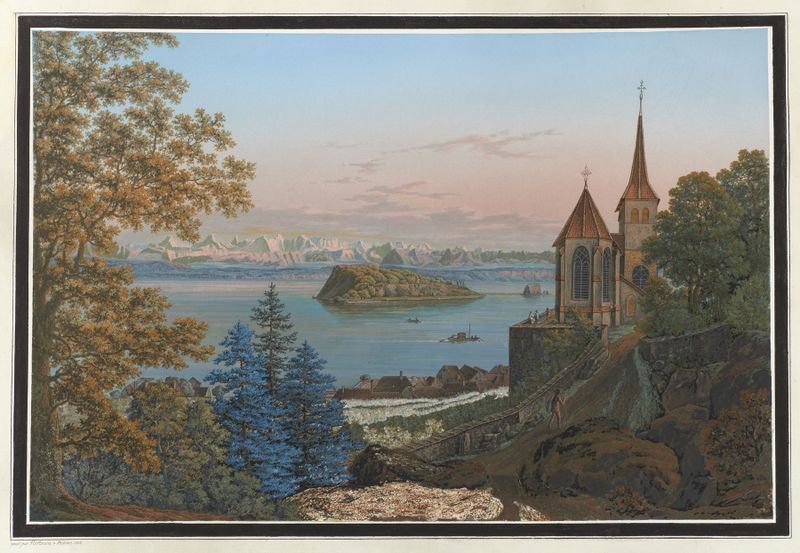
Vue contre les Glaciéres et l’Isle St.-Pierre au dessus du Village de Glerésse sur le Lac de Bienne
Johann Joseph Hartmann
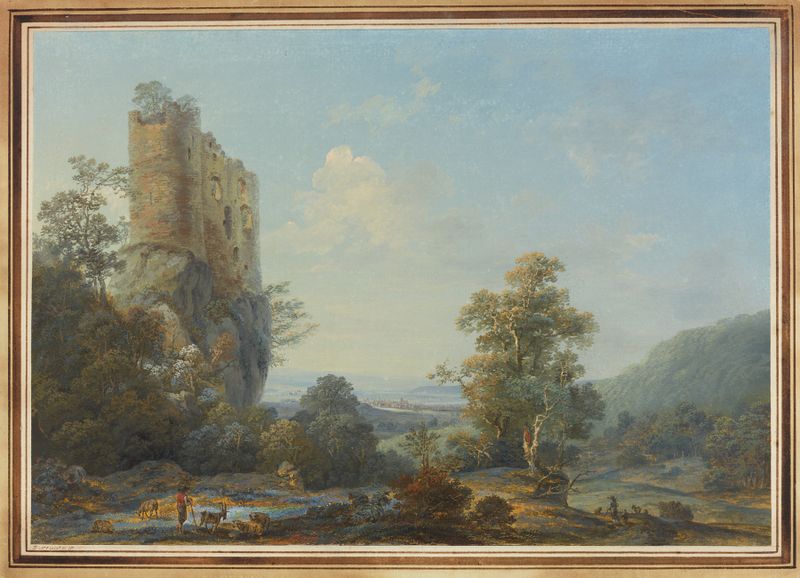
Schloss Reichenstein bei Arlesheim
Johann Joseph Hartmann
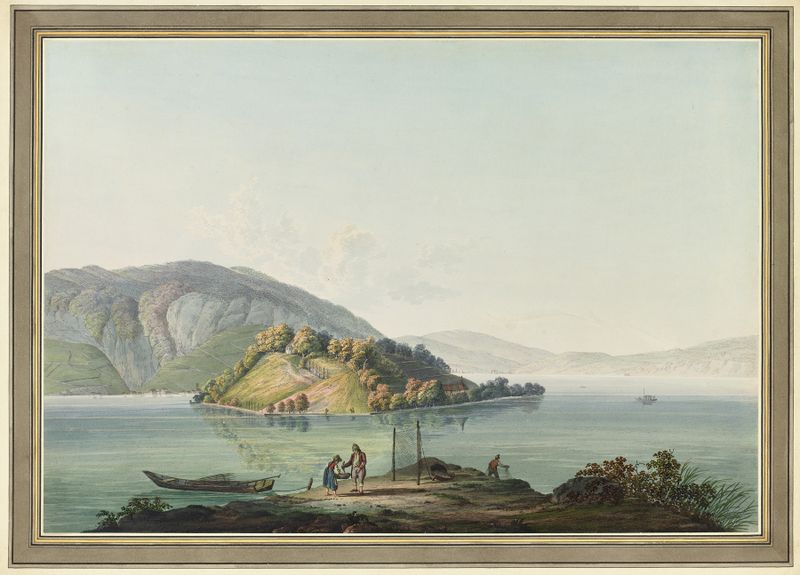
Vue de l’Isle St. Pierre sur le Lac de Bienne
Johann Joseph Hartmann
Vûe de la Ville de Bûren dans le canton de Berne
Johann Joseph Hartmann





