
Island of St. Peter — History & Facts
In the stillness of a canvas, transformation brews, waiting to be unveiled beneath the brushstrokes of a skilled hand. Look to the center of the piece, where a serene island rises from the water, cradled by soft waves of gentle blue and green. Notice how the delicate strokes capture the lush foliage and the way light dances upon it, creating a radiant glow. The subtle gradation of colors draws the eye toward the horizon, where hints of warmth flicker, suggesting a world beyond what we see.
Each detail—from the reflection on the water's surface to the small, quiet figures dotting the shore—invites contemplation, breathing life into this tranquil landscape. Within the idyllic setting lies a stark contrast between tranquility and the unknown. The island, seemingly isolated, represents a sanctuary amidst the vastness of the sea, embodying both the longing for escape and the inevitable pull of connection. The figures, small and distant, hint at stories untold, evoking a sense of vulnerability against the grandeur of nature.
This interplay between solitude and community deepens the emotional resonance, suggesting that transformation is often born from moments of introspection. In this undefined moment, Hartmann was likely influenced by the serene landscapes that beckoned during his time. Working in the early 19th century, he was part of a broader movement embracing romanticism and the relationship between humanity and nature. Although the exact date of this work remains elusive, it reflects the artist's exploration of nature's beauty and the transformative power of solitude, resonating with the idealism that characterized his era.
More Artworks by Johann Joseph Hartmann
Browse all →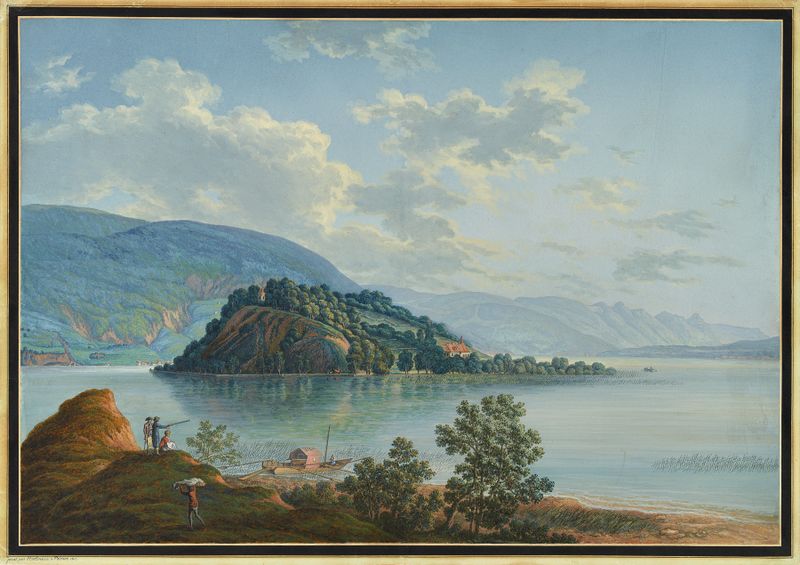
Die St. Petersinsel von Süden
Johann Joseph Hartmann

Vue de l’Isle de St. Pierre sur le Lac de Bienne.
Johann Joseph Hartmann
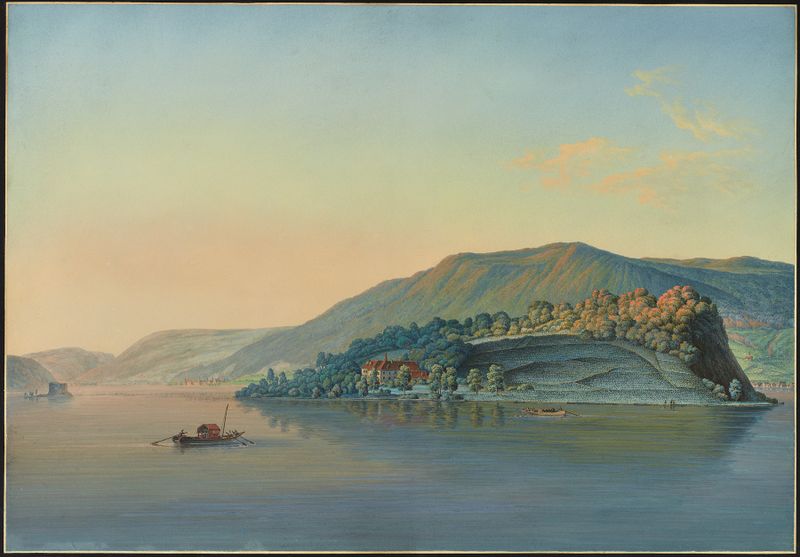
Die St. Petersinsel von Norden
Johann Joseph Hartmann
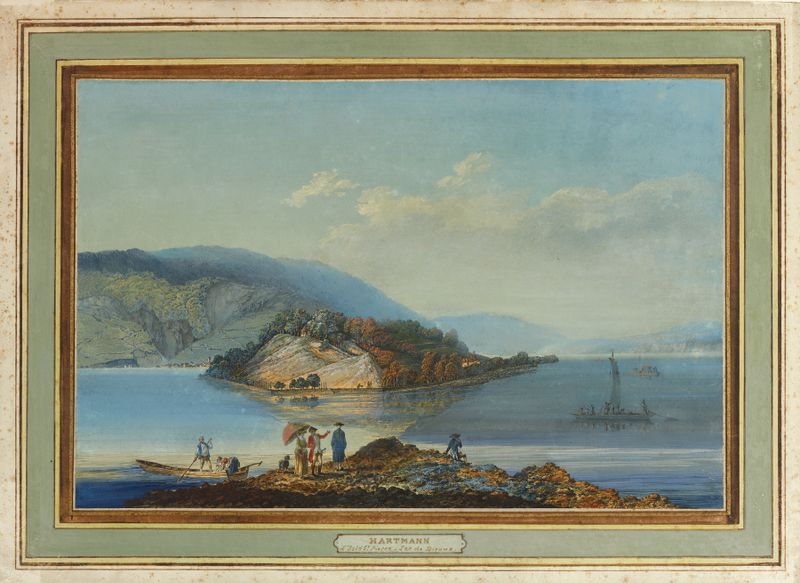
Vue de l’Isle de St. Pierre sur le Lac de Bienne
Johann Joseph Hartmann
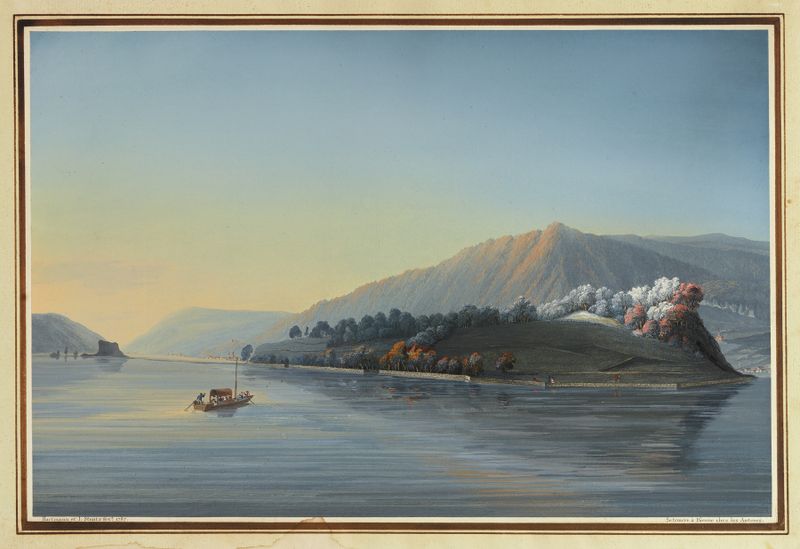
Vue de l’Isle de St. Pierre sur le Lac de Bienne
Johann Joseph Hartmann
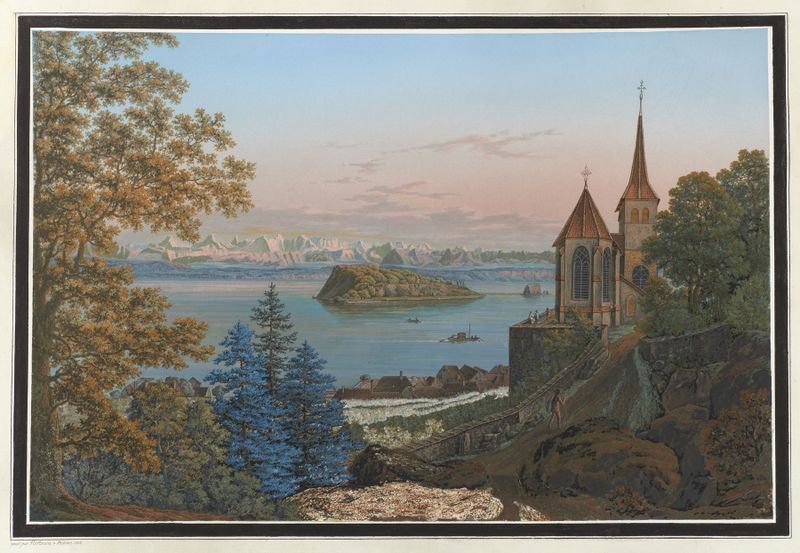
Vue contre les Glaciéres et l’Isle St.-Pierre au dessus du Village de Glerésse sur le Lac de Bienne
Johann Joseph Hartmann
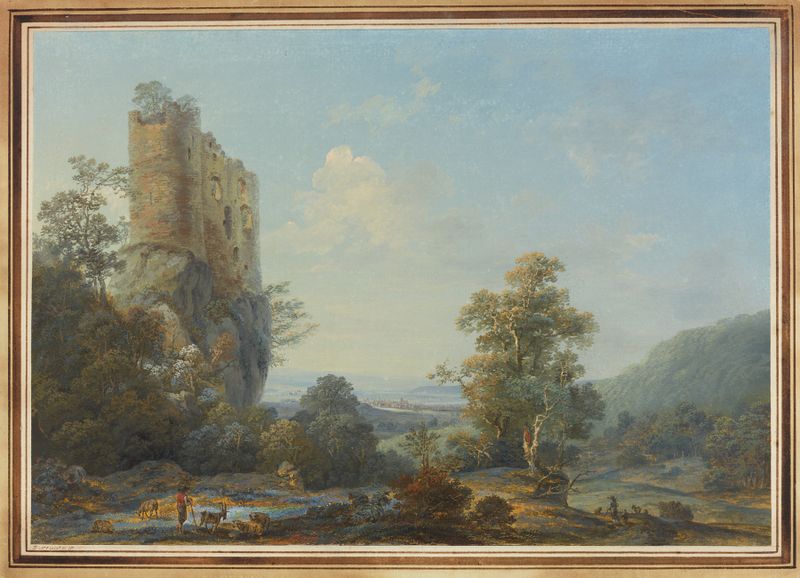
Schloss Reichenstein bei Arlesheim
Johann Joseph Hartmann
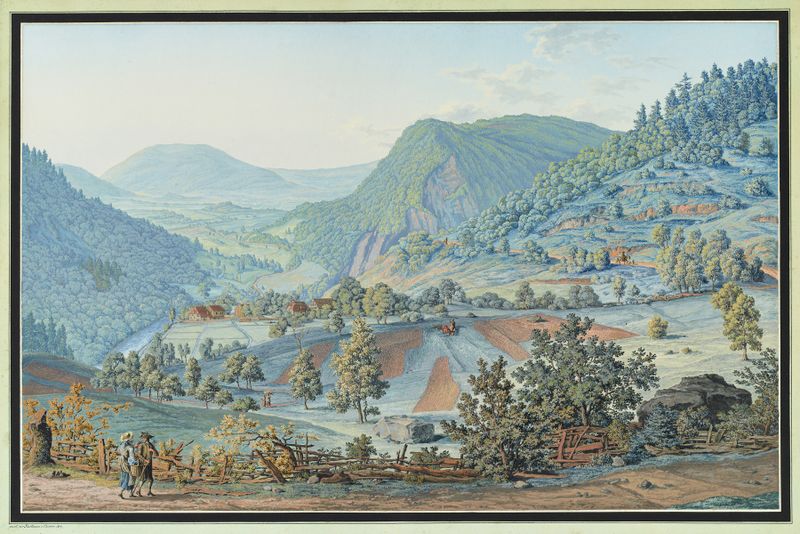
Vue de Freinvillers et de la Vallée d’Orvin, sur la route de l’Erguel, à 1 lieue de Bienne en allant contre Delemont
Johann Joseph Hartmann
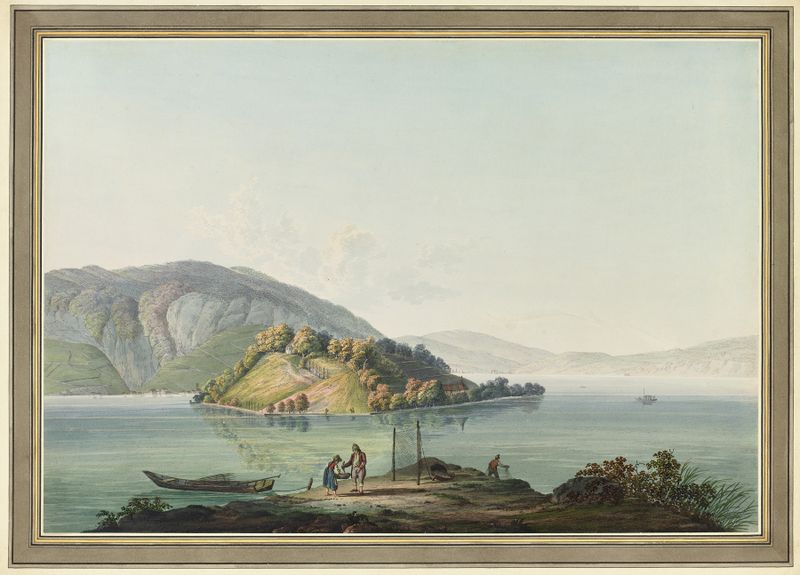
Vue de l’Isle St. Pierre sur le Lac de Bienne
Johann Joseph Hartmann
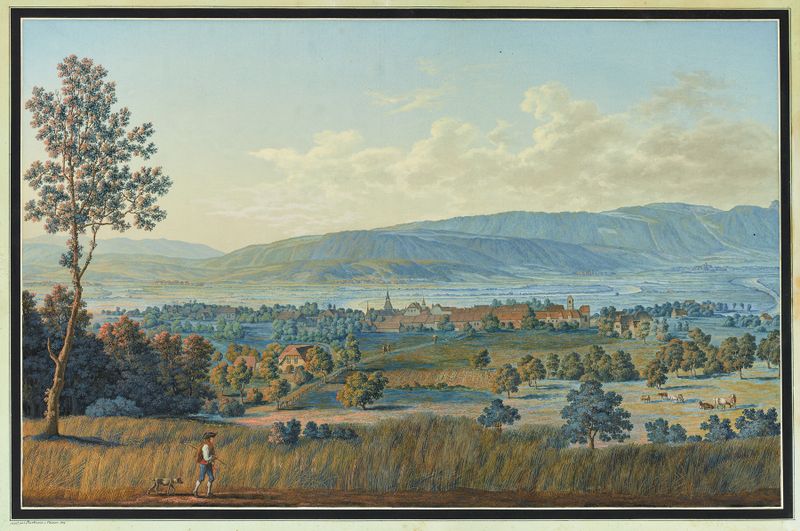
Vûe de la Ville de Bûren dans le canton de Berne
Johann Joseph Hartmann





