
Vue de Lausanne — History & Facts
In the vibrant tapestry of our existence, divinity often finds its home in the delicate interplay of light and shadow, a dance as timeless as the landscape itself. Look to the foreground where gentle hills roll softly into each other, each brushstroke meticulously layered to create a harmonious blend of greens and browns. The artist's expert hand captures the subtle play of sunlight filtering through the trees, illuminating the scene with a warm glow that invites the viewer to breathe in the serene atmosphere. Draw your eyes up to the distant Alps, their majestic peaks rendered with a crisp clarity that contrasts beautifully against the ethereal skies, hinting at both grandeur and fragility. In the expanse before us, hidden narratives unfold — the convergence of nature and human existence.
Notice how the small figures dotting the landscape seem dwarfed by the immensity of their surroundings, evoking a sense of solitude and introspection. The layers of blue in the sky, stretching towards infinity, suggest a divine presence, as if the heavens themselves cradle the earth, reminding us of our transient place in the universe. Johann Ludwig Aberli created Vue de Lausanne during a period when he was deeply influenced by the topographical and picturesque trends in Swiss art. Working in the late 18th century, he focused on capturing serene landscapes that reflected the beauty of the natural world, a response to the growing Romantic movement that emphasized emotion and nature's sublime qualities.
His works were pivotal in establishing a sense of national identity through landscape, resonating with the shifting sentiments of an evolving society.
More Artworks by Johann Ludwig Aberli
Browse all →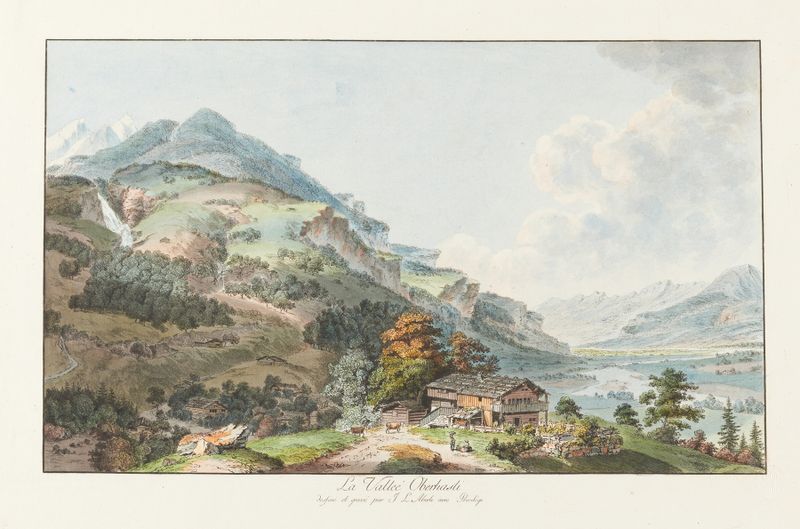
La Vallée Oberhasli
Johann Ludwig Aberli
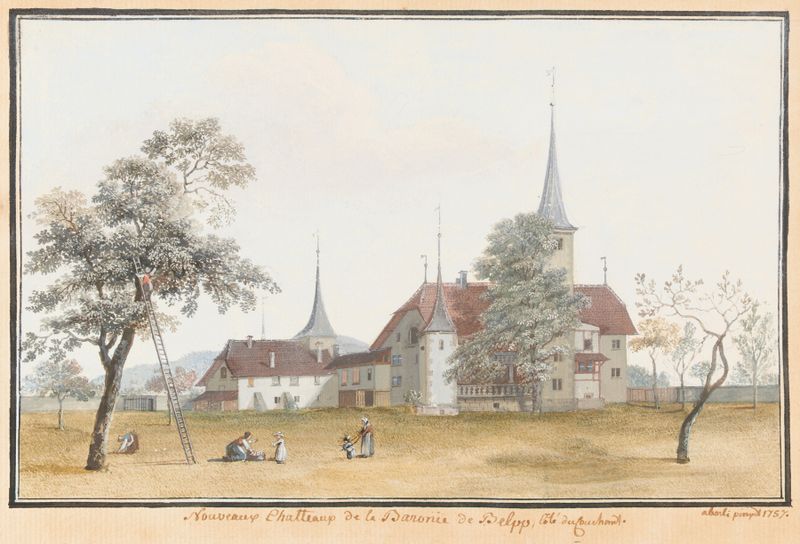
Nouveaux Chatteaux de la Baronie de Belpp; Côté du Couchant
Johann Ludwig Aberli
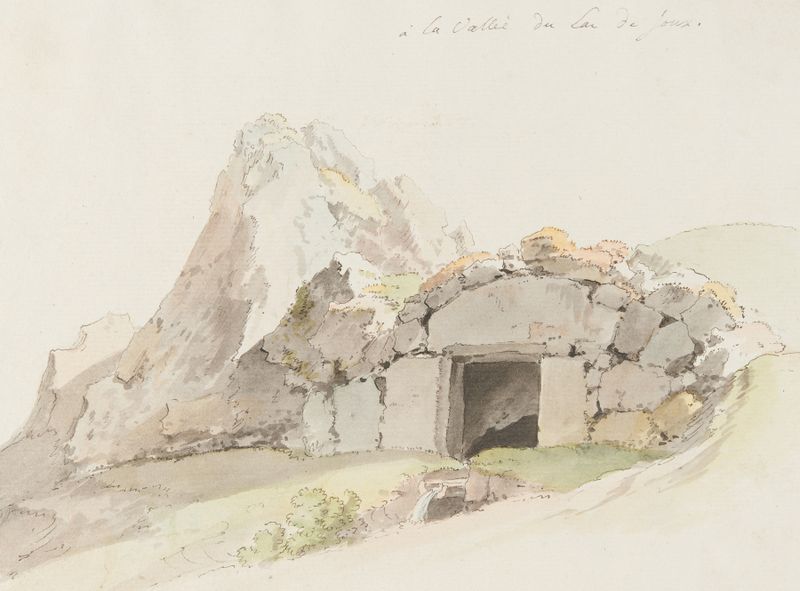
à la Vallèe du Lac de Joux
Johann Ludwig Aberli
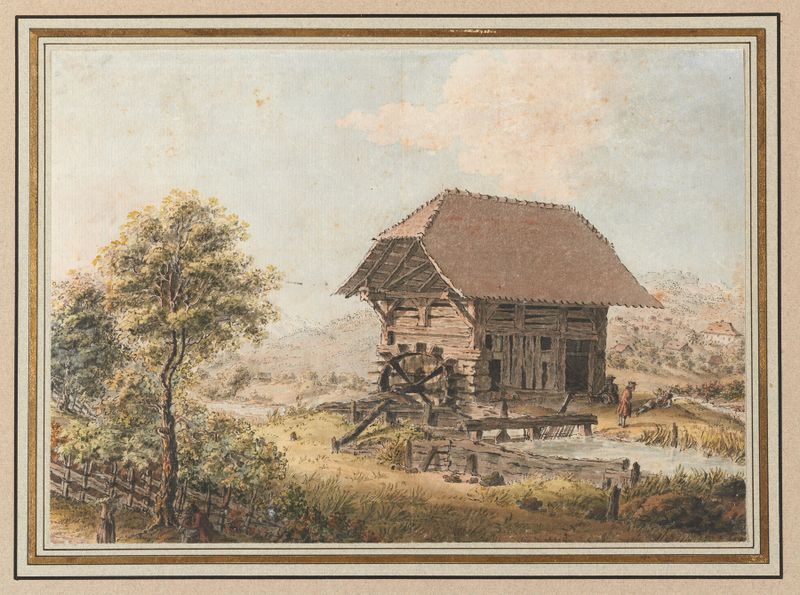
Ansicht einer Mühle im Berner Mittelland
Johann Ludwig Aberli
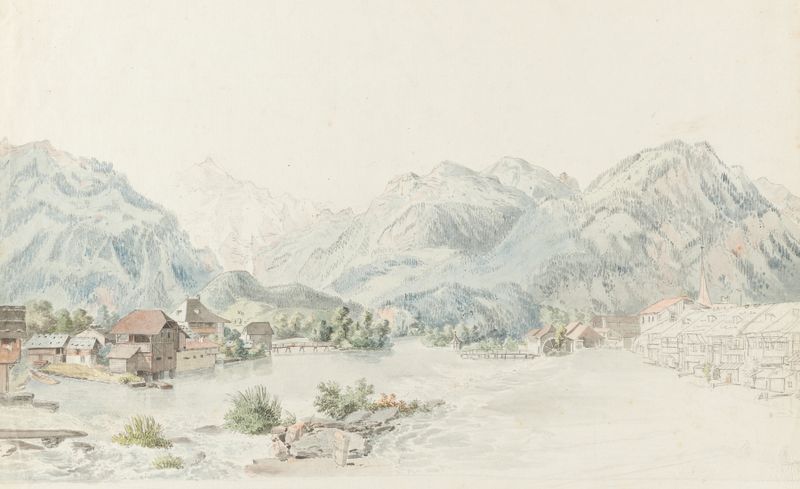
Ansicht von Unterseen
Johann Ludwig Aberli
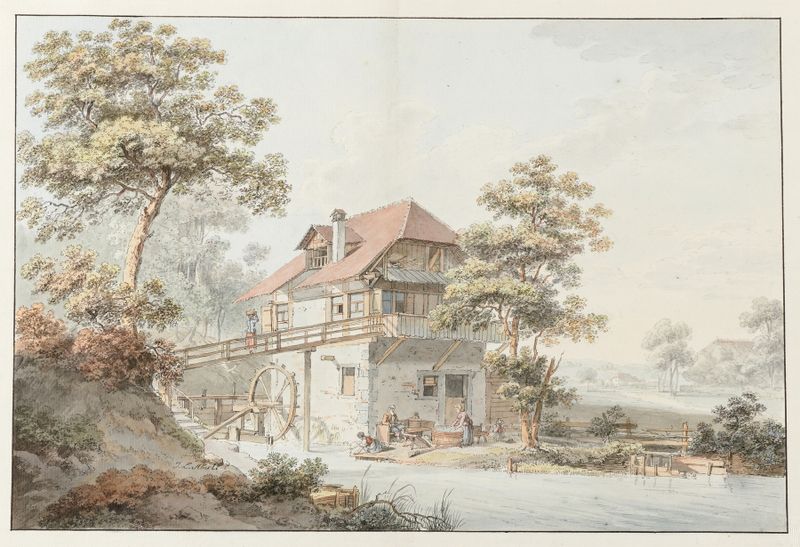
Ansicht einer Mühle im Berner Mittelland.
Johann Ludwig Aberli
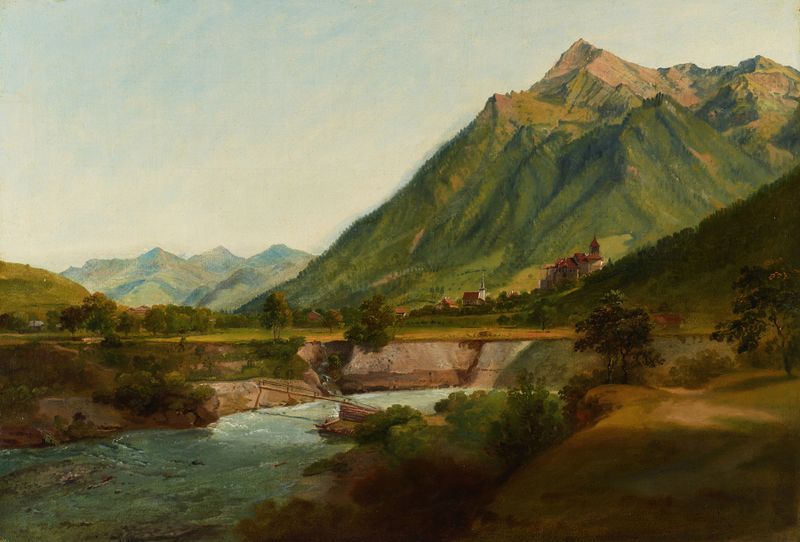
Vue du Château de Wimmis et des environs
Johann Ludwig Aberli
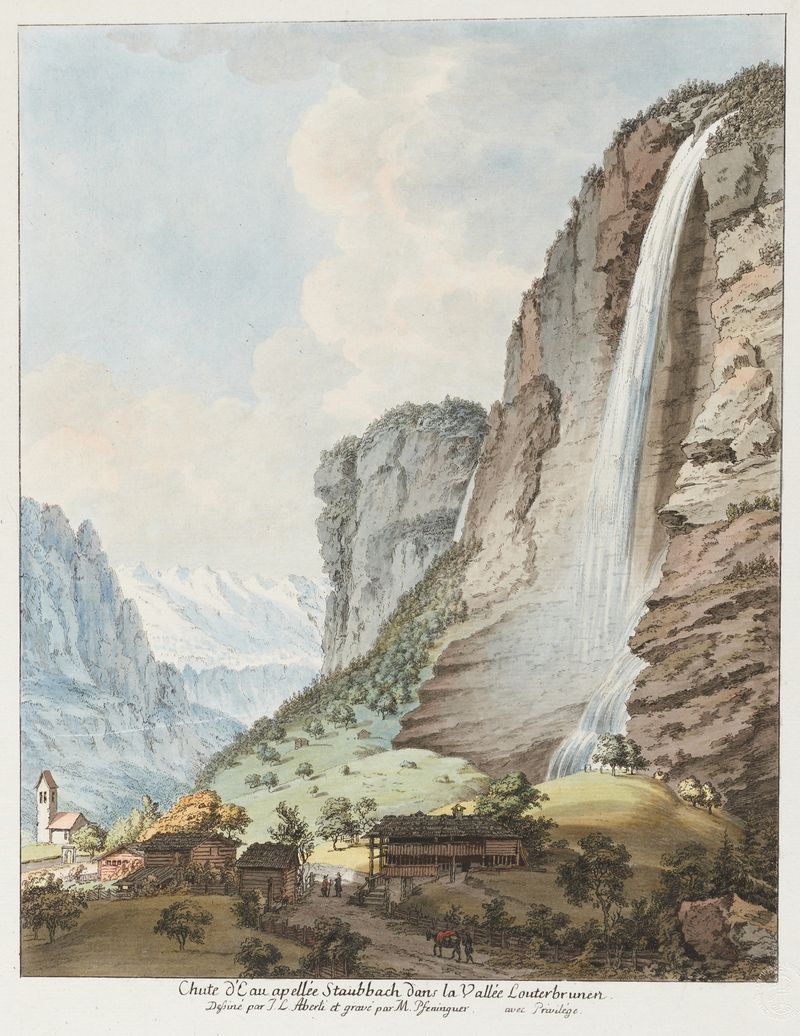
Chute d’Eau apellée Staubbach dans la Vallée Louterbrunnen
Johann Ludwig Aberli
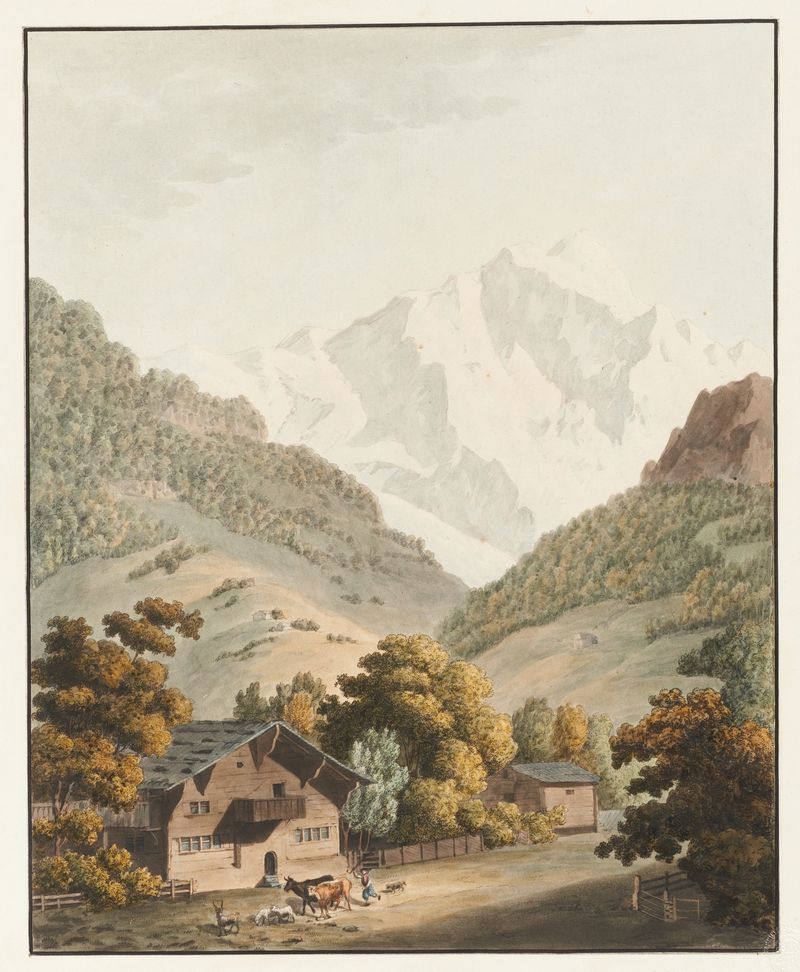
Vue du Jungfrau-Horn
Johann Ludwig Aberli
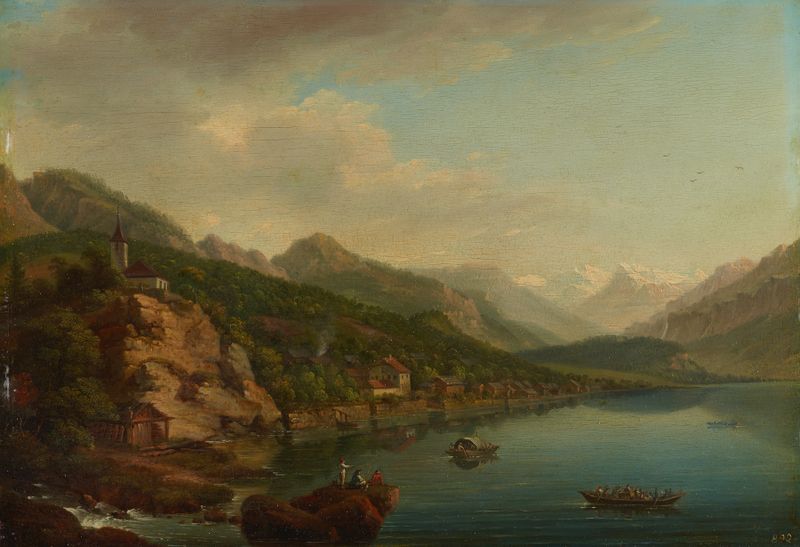
Vue du Village et du Lac de Brientz
Johann Ludwig Aberli





