
Vue de Lausanne — History & Facts
In the tranquil portrayal of Vue de Lausanne, the calm surface belies a history of turbulence and conflict. What appears serene can often harbor shadows of violence, beneath which lie the echoes of a city’s tumultuous past. Look closely at the foreground, where the gentle contours of rolling hills meet the glistening waters of the lake. Notice how Aberli’s delicate brushwork captures the dappled light filtering through the foliage, infusing the scene with a sense of peacefulness.
The palette, dominated by soft blues and greens, creates a soothing atmosphere, yet the intricate details of the buildings and the distant mountains hint at a more complex narrative brewing just outside the frame. The juxtaposition of the idyllic landscape and the distant fortress serves as a reminder: even in beauty, there are remnants of strife. The fortified structures suggest a history laden with conflict, and the presence of the water, serene yet powerful, evokes the dichotomy of life’s tranquility amidst underlying chaos. Aberli’s attention to detail draws the viewer’s eye, revealing layers of meaning that speak to the resilience of a city shaped by both nature and man. Johann Ludwig Aberli painted Vue de Lausanne during a period when Switzerland was navigating its identity in the wake of political upheaval and territorial conflicts.
The work, created in the 18th century, reflects both a personal exploration of landscape and a broader commentary on the state of affairs in Europe, as artists began to grapple with the interplay of peace and violence during a time of change.
More Artworks by Johann Ludwig Aberli
Browse all →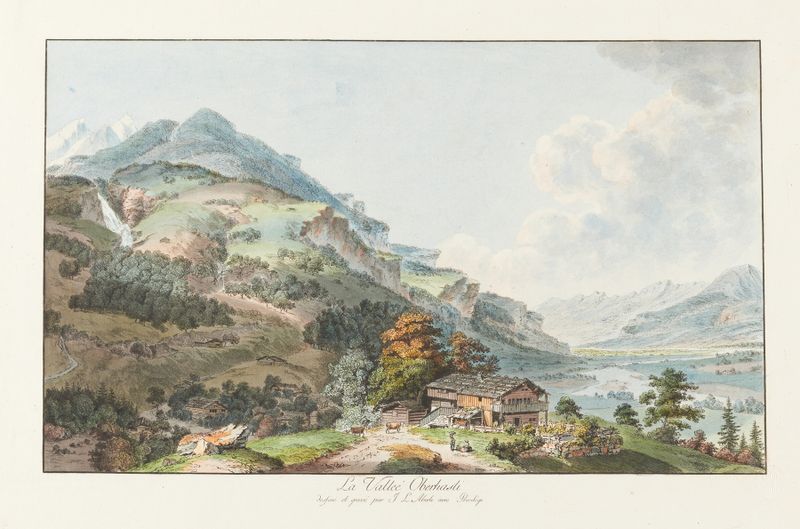
La Vallée Oberhasli
Johann Ludwig Aberli
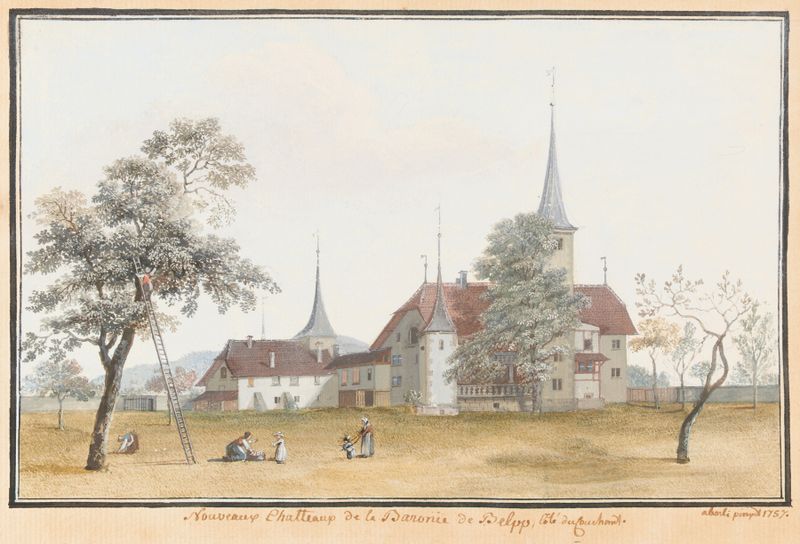
Nouveaux Chatteaux de la Baronie de Belpp; Côté du Couchant
Johann Ludwig Aberli
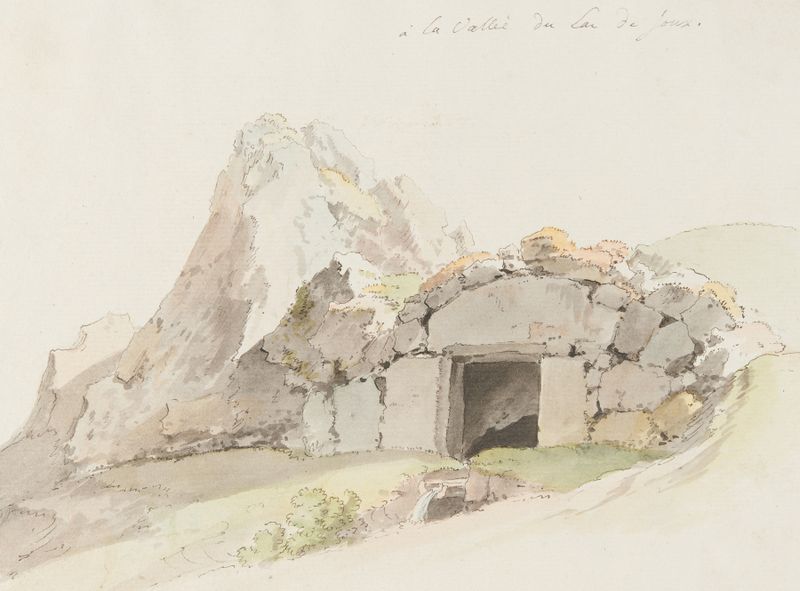
à la Vallèe du Lac de Joux
Johann Ludwig Aberli
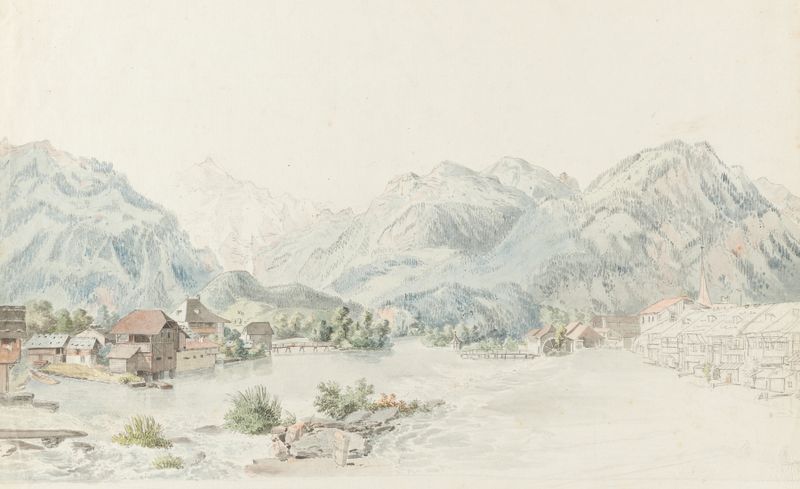
Ansicht von Unterseen
Johann Ludwig Aberli
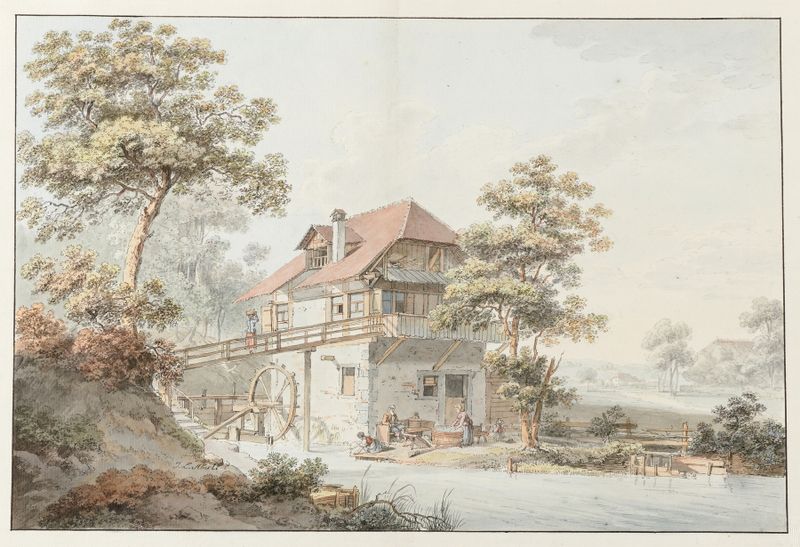
Ansicht einer Mühle im Berner Mittelland.
Johann Ludwig Aberli
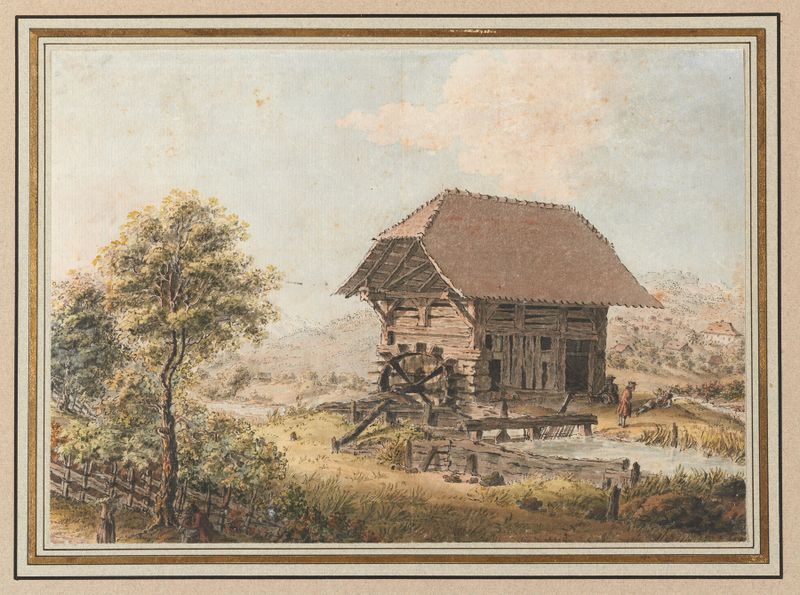
Ansicht einer Mühle im Berner Mittelland
Johann Ludwig Aberli
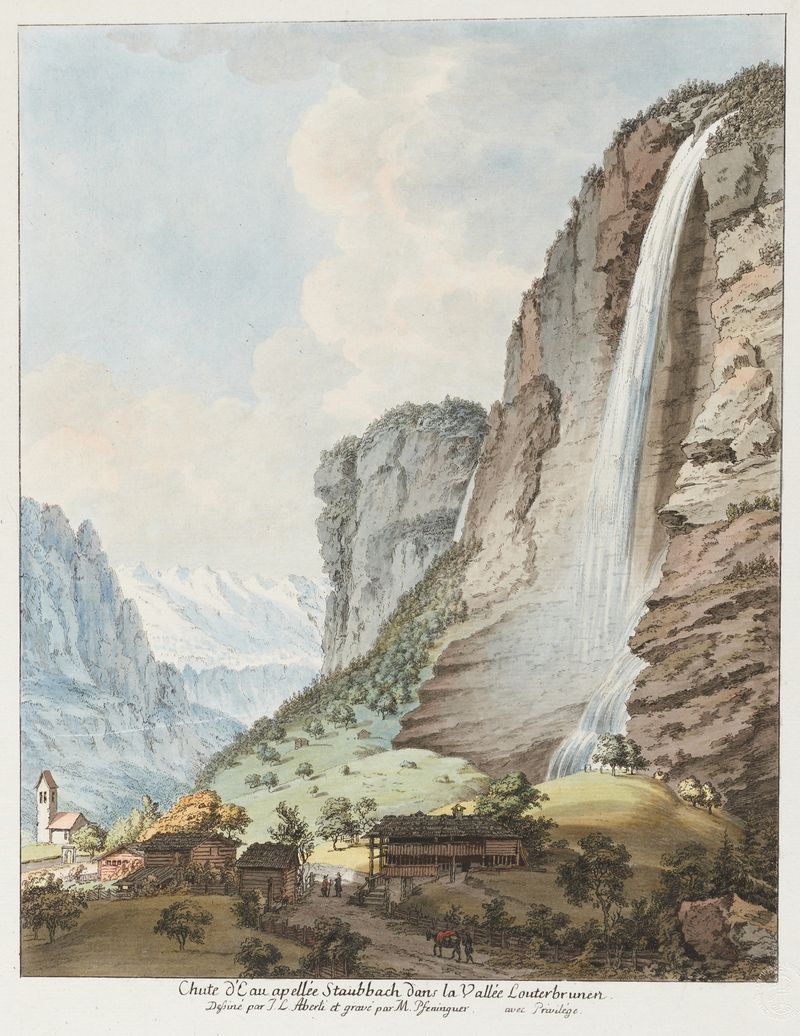
Chute d’Eau apellée Staubbach dans la Vallée Louterbrunnen
Johann Ludwig Aberli
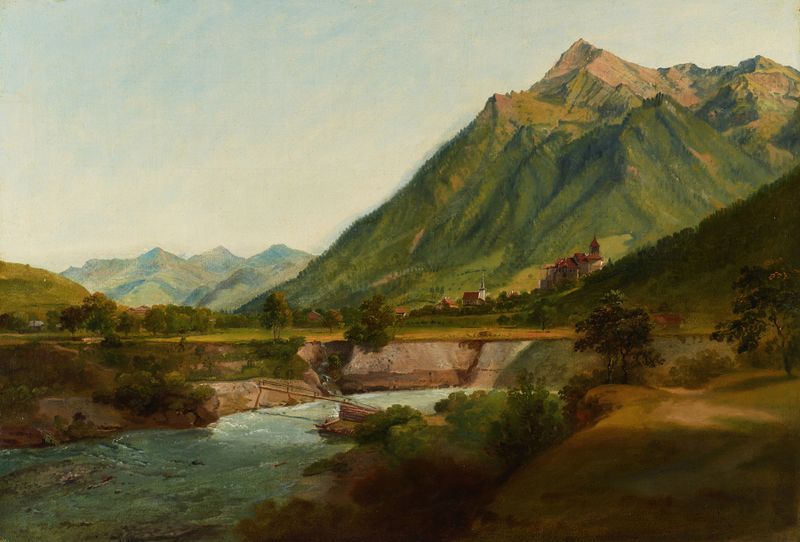
Vue du Château de Wimmis et des environs
Johann Ludwig Aberli
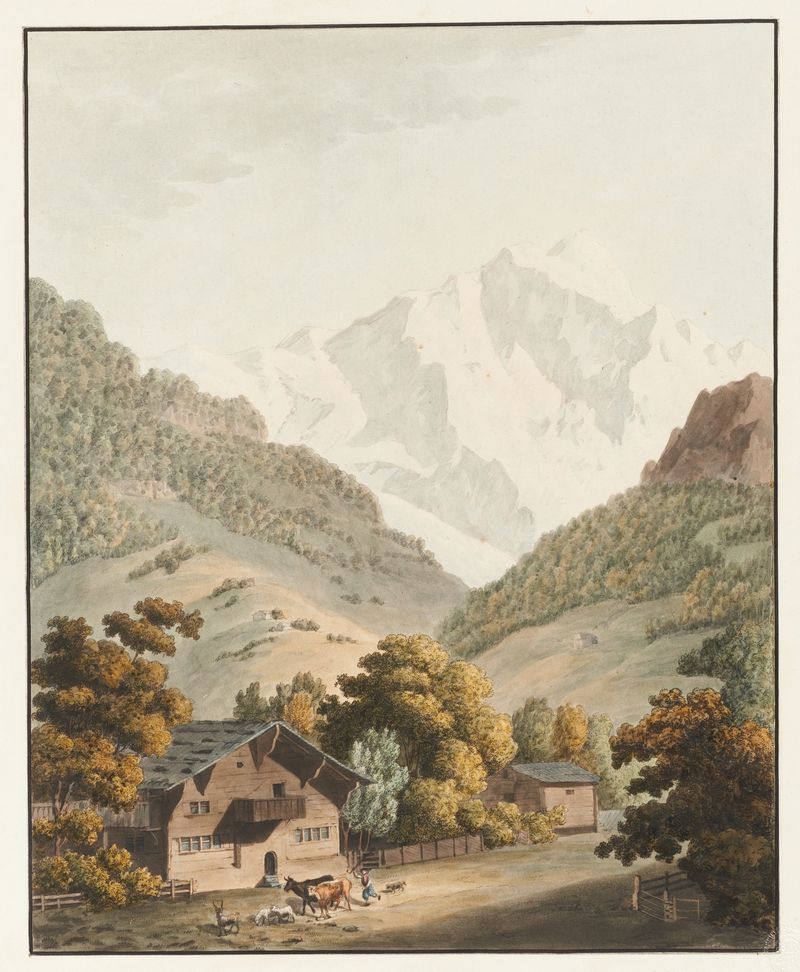
Vue du Jungfrau-Horn
Johann Ludwig Aberli
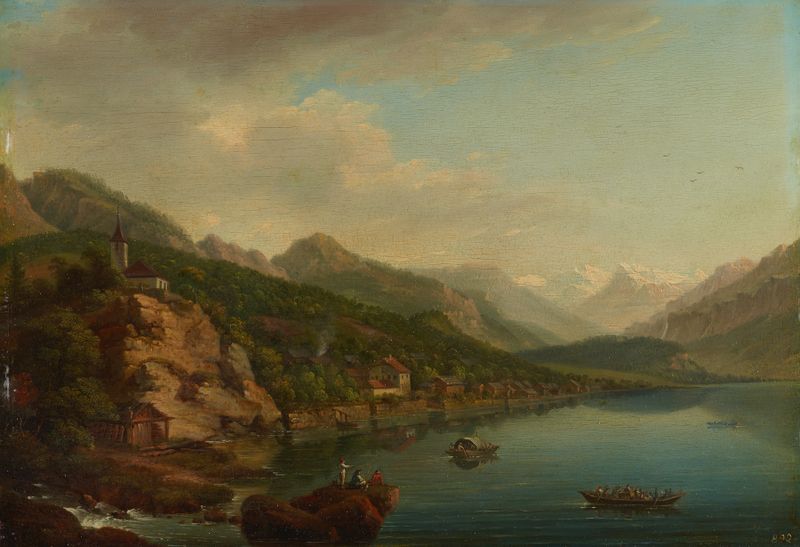
Vue du Village et du Lac de Brientz
Johann Ludwig Aberli





