
Vue de Thoun, depuis Gwatt — History & Facts
What if beauty was never meant to be finished? In the delicate interplay of land, water, and dreams, Vue de Thoun, depuis Gwatt invites us to ponder the elusive nature of perfection. Look to the right at the gentle contours of the mountains that cradle Thun, their soft blues and greens dissolving into a tranquil sky. Notice how the light spills over the landscape, illuminating the water's surface with shimmering reflections that dance in harmony with the ethereal clouds above. The artist employs a soft palette and meticulous brushwork, creating a dreamlike quality that invites contemplation—a moment caught between reality and reverie. In this serene vista, hidden meanings emerge from the interplay of elements.
The juxtaposition of the vibrant land against the tranquil water evokes a sense of balance, while the pastel hues suggest the fleeting nature of beauty—how it exists only for a moment before fading away. Each brushstroke tells a story of longing, a wistful glance at a world that feels both familiar and distant, reflecting the artist's own emotional landscape. Created during a time when Romanticism blossomed in the European art scene, this work reflects Aberli's fascination with the sublime beauty of nature. Painting in the late 18th century, he was captivated by the Swiss landscape, less concerned with exacting detail than with capturing the essence and atmosphere of his surroundings.
This artwork serves as a testament to his desire to immortalize fleeting moments, aligning with a broader movement that sought to embrace emotion and the sublime in art.
More Artworks by Johann Ludwig Aberli
Browse all →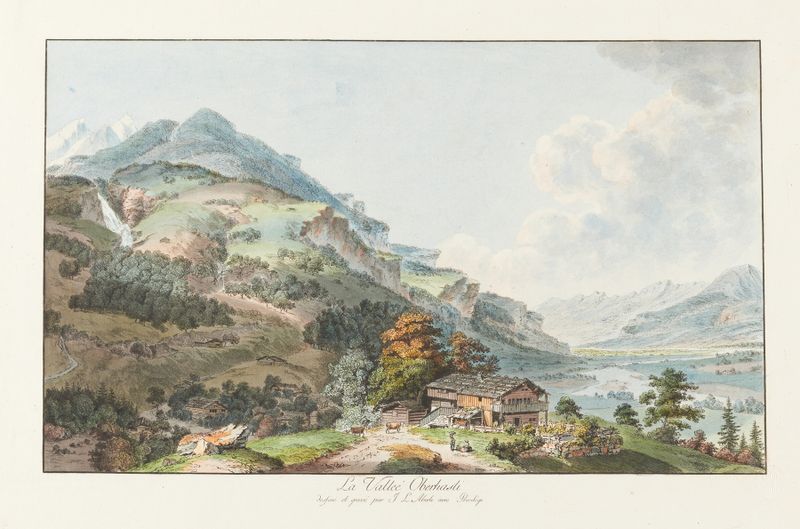
La Vallée Oberhasli
Johann Ludwig Aberli
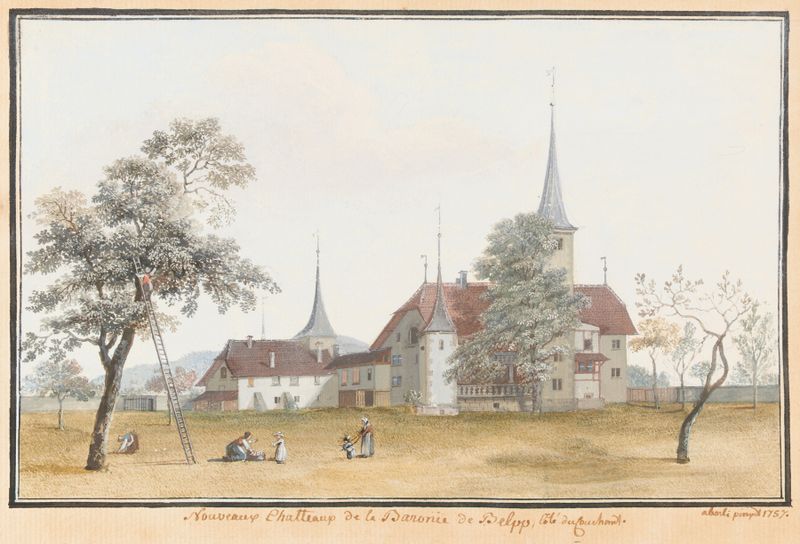
Nouveaux Chatteaux de la Baronie de Belpp; Côté du Couchant
Johann Ludwig Aberli
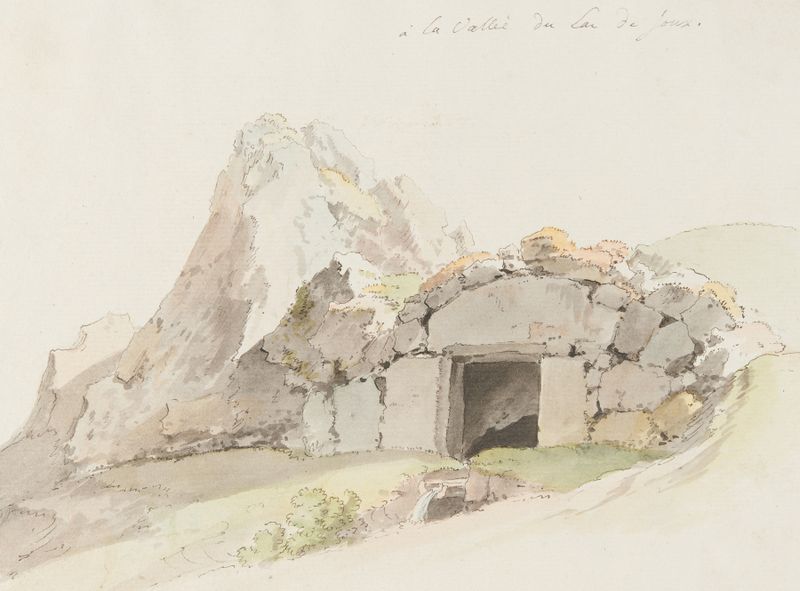
à la Vallèe du Lac de Joux
Johann Ludwig Aberli
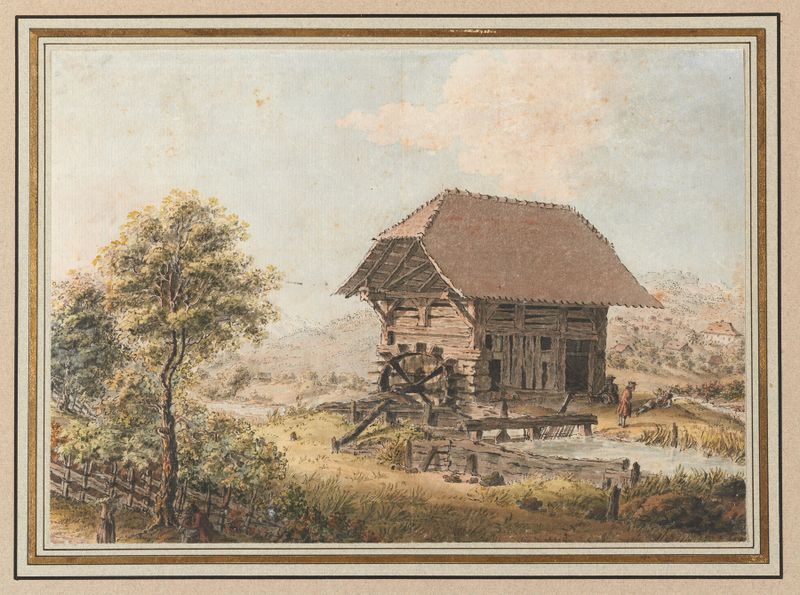
Ansicht einer Mühle im Berner Mittelland
Johann Ludwig Aberli
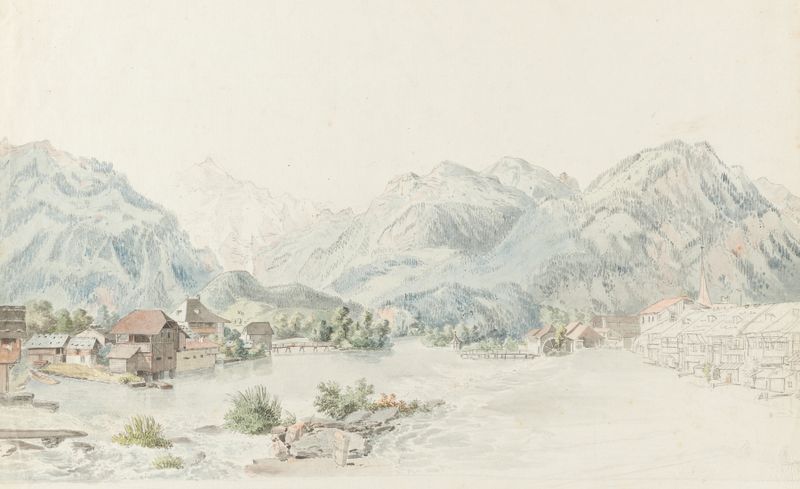
Ansicht von Unterseen
Johann Ludwig Aberli
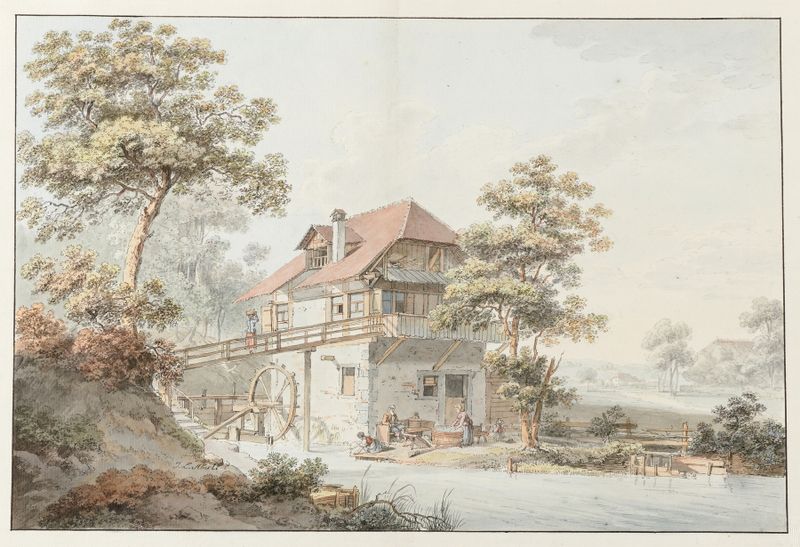
Ansicht einer Mühle im Berner Mittelland.
Johann Ludwig Aberli
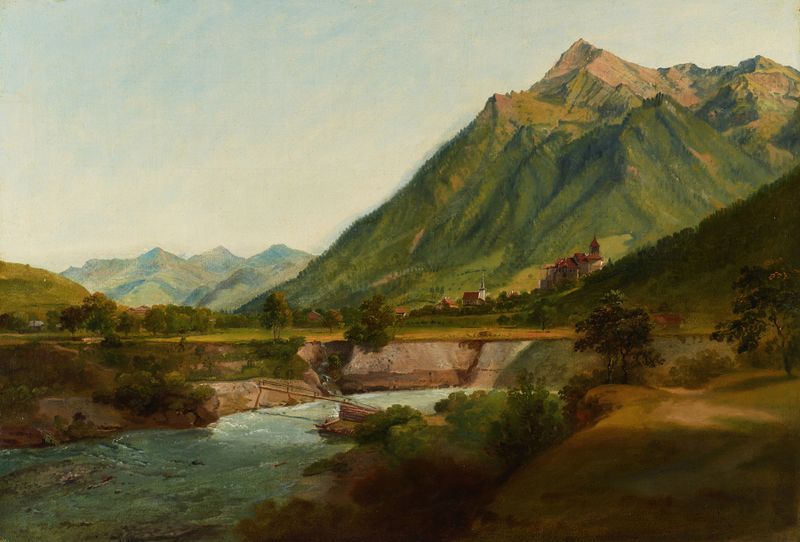
Vue du Château de Wimmis et des environs
Johann Ludwig Aberli
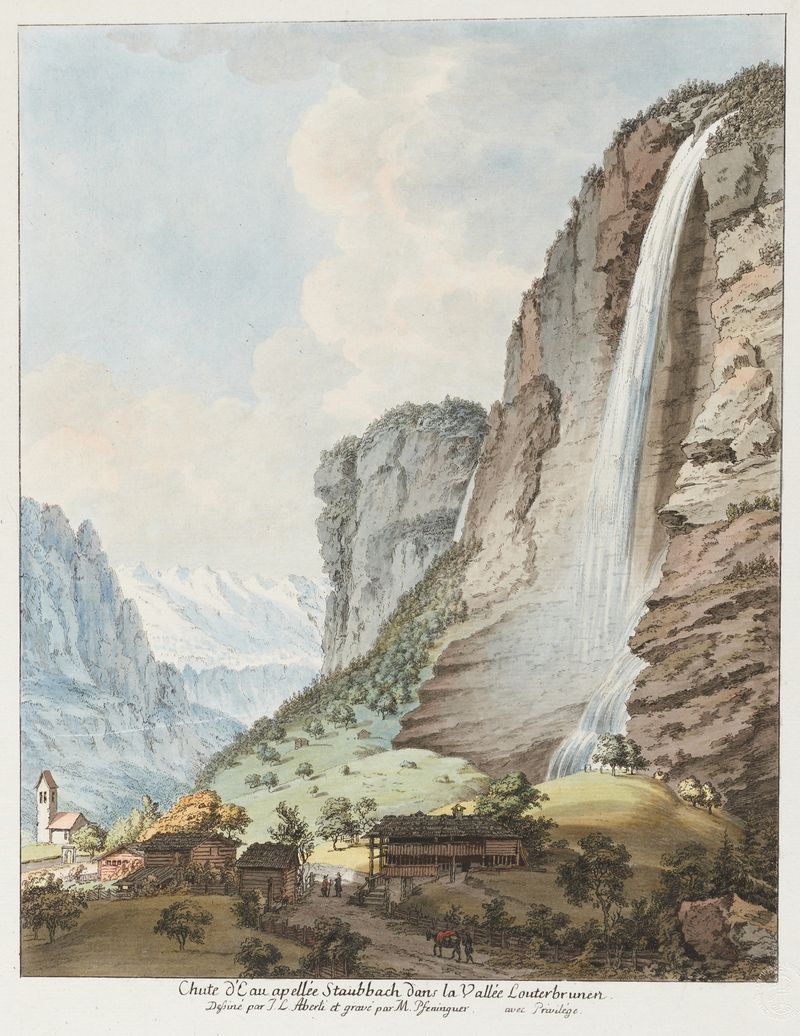
Chute d’Eau apellée Staubbach dans la Vallée Louterbrunnen
Johann Ludwig Aberli
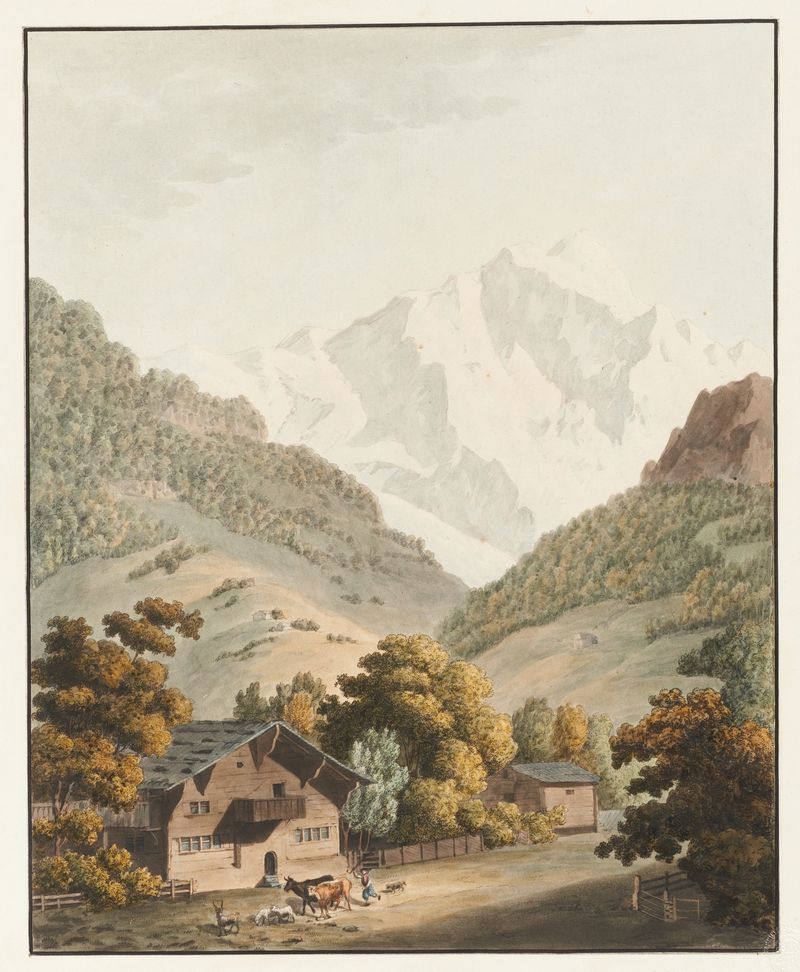
Vue du Jungfrau-Horn
Johann Ludwig Aberli
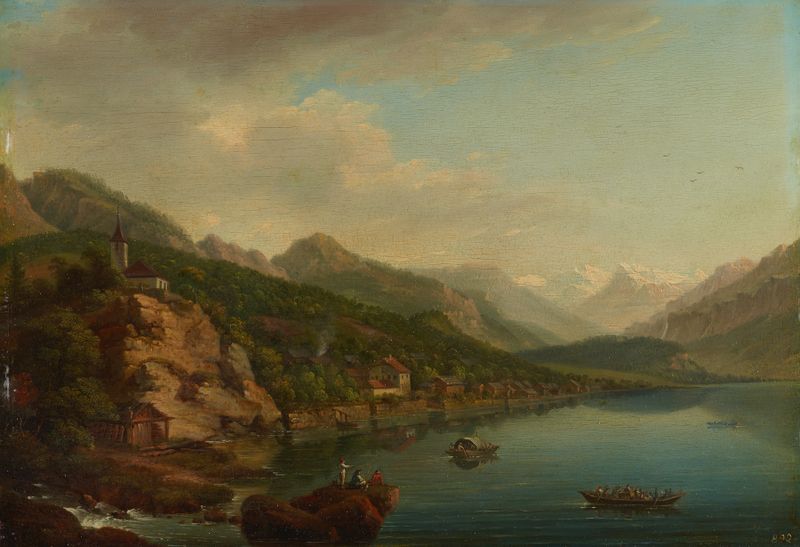
Vue du Village et du Lac de Brientz
Johann Ludwig Aberli





