
Vue prise du Chateau de Thoun — History & Facts
What if silence could speak through light? In Vue prise du Chateau de Thoun, the stillness of the landscape reverberates with an unspoken history, inviting the viewer to listen closely. Look to the left at the delicate interplay of shadows and sunlight, where the castle stands resolute against a backdrop of muted earth tones. The artist’s meticulous attention to detail is evident in the finely rendered textures of the stone walls and the soft, rustling foliage. Notice how the light falls upon the water’s surface, transforming it into a shimmering mirror that reflects both the architectural grandeur and the calm sky above.
Each element is meticulously placed, guiding the eye to the horizon where nature meets the man-made. Beneath this serene facade lies a tension between the stability of the castle and the fluidity of the surrounding landscape, suggesting a duality of permanence and change. The distant mountains loom like guardians, watching over the scene, while the gentle waves evoke a sense of transience. The interplay of light not only captures the moment but also reveals the artist's philosophical contemplation of humanity’s place within the natural world, inviting viewers to consider their own relationship with time and memory. During the late 18th century, Aberli created this work while establishing himself in the Swiss landscape painting tradition.
Living in a period marked by a burgeoning appreciation for nature and Romantic ideals, he sought to depict not just the visual beauty of his surroundings but also the emotional resonance they held. This painting reflects the evolving dialogue between the sublime and the everyday, offering a window into the world of art during a transformative era.
More Artworks by Johann Ludwig Aberli
Browse all →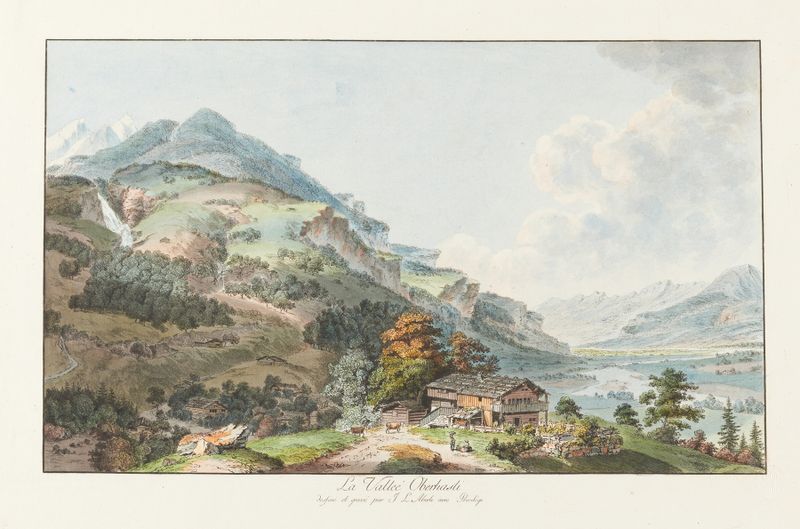
La Vallée Oberhasli
Johann Ludwig Aberli
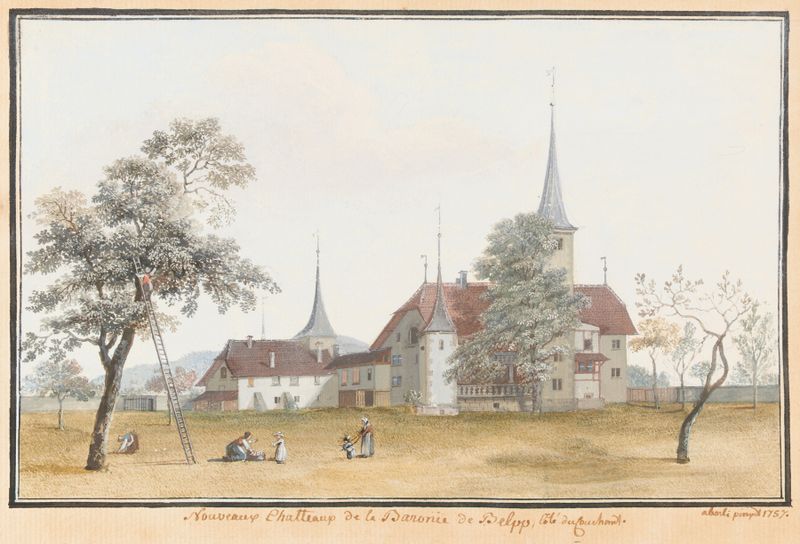
Nouveaux Chatteaux de la Baronie de Belpp; Côté du Couchant
Johann Ludwig Aberli
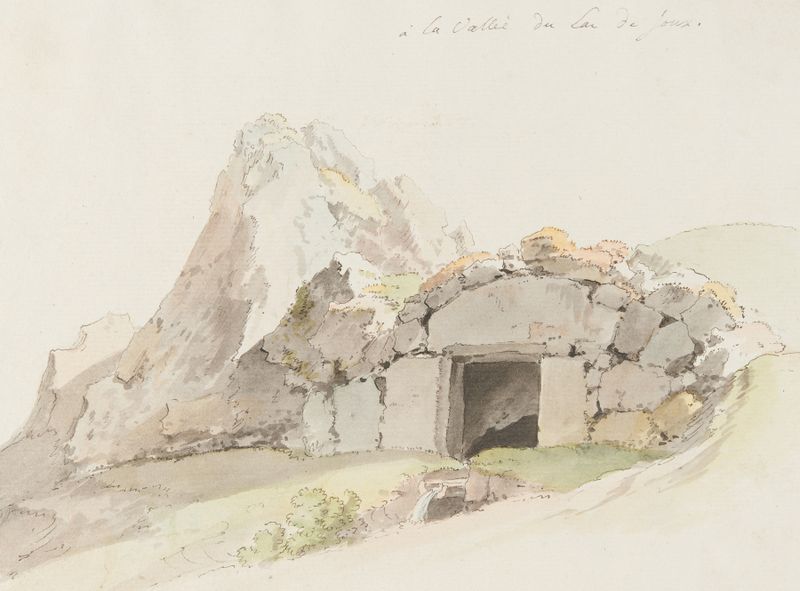
à la Vallèe du Lac de Joux
Johann Ludwig Aberli
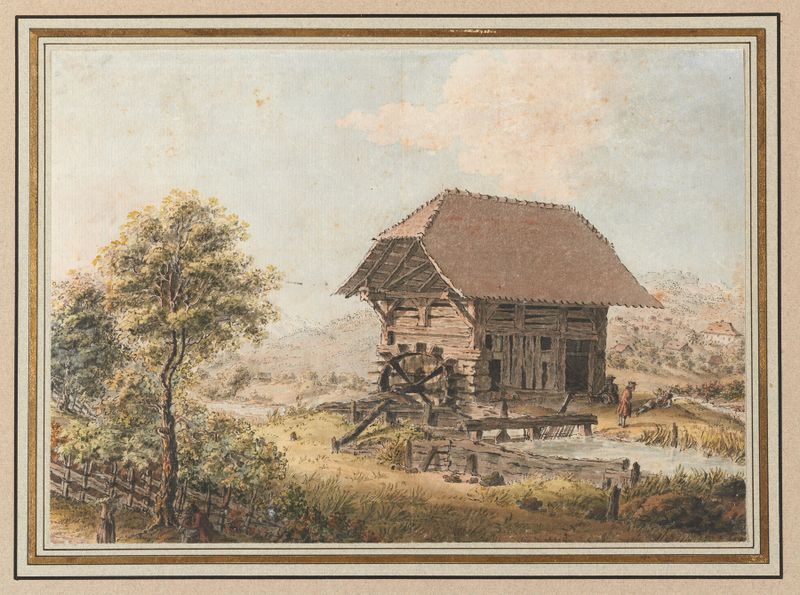
Ansicht einer Mühle im Berner Mittelland
Johann Ludwig Aberli
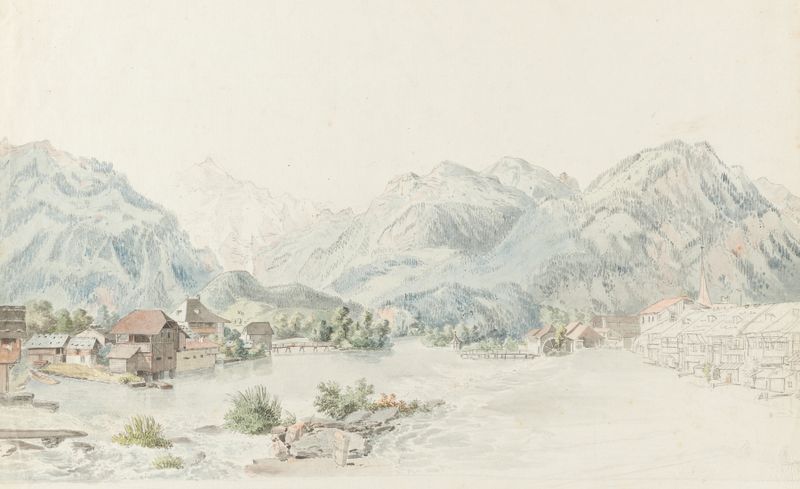
Ansicht von Unterseen
Johann Ludwig Aberli
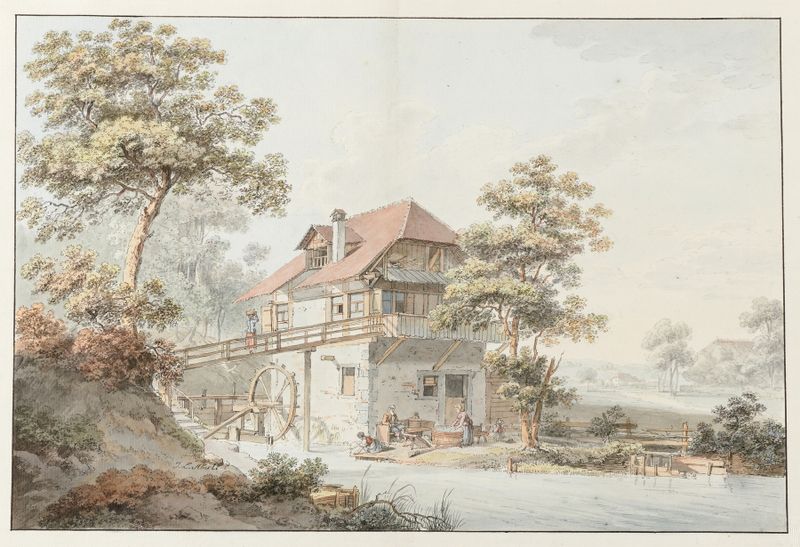
Ansicht einer Mühle im Berner Mittelland.
Johann Ludwig Aberli
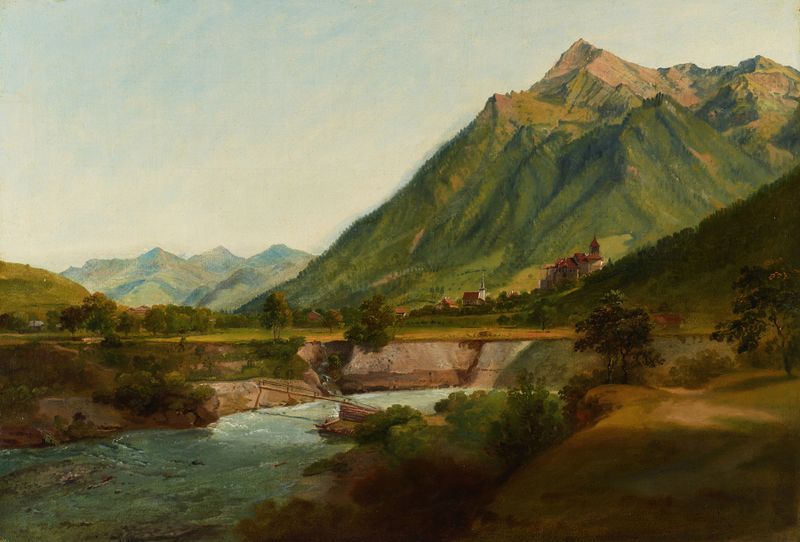
Vue du Château de Wimmis et des environs
Johann Ludwig Aberli
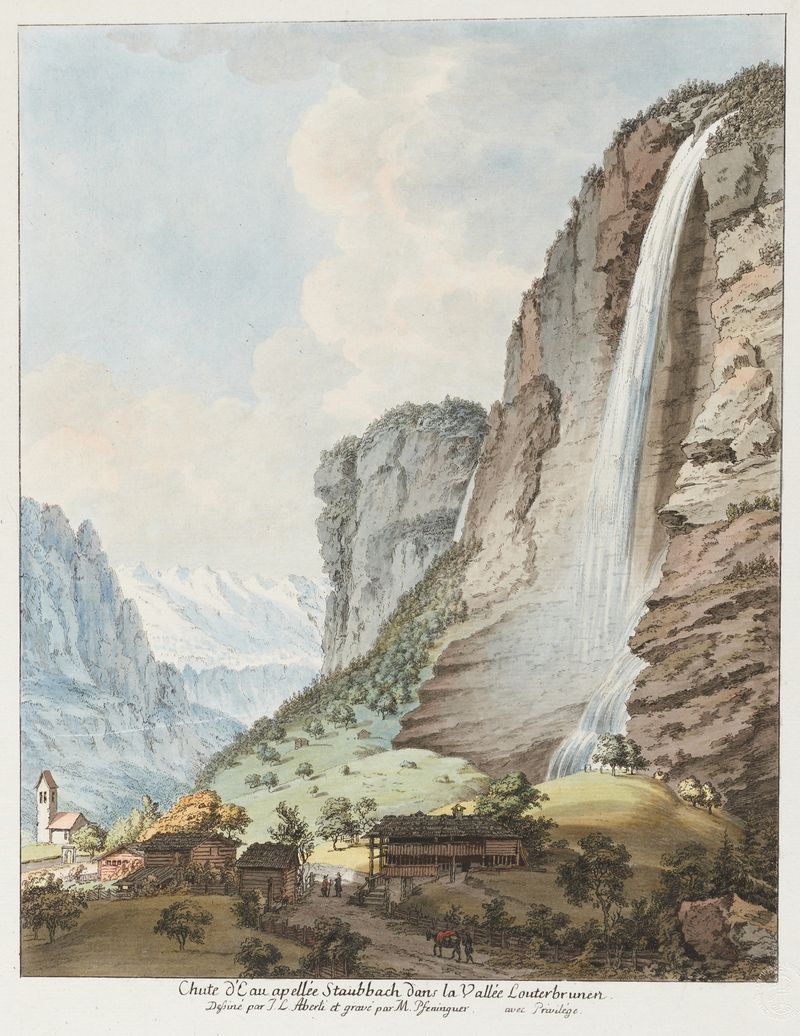
Chute d’Eau apellée Staubbach dans la Vallée Louterbrunnen
Johann Ludwig Aberli
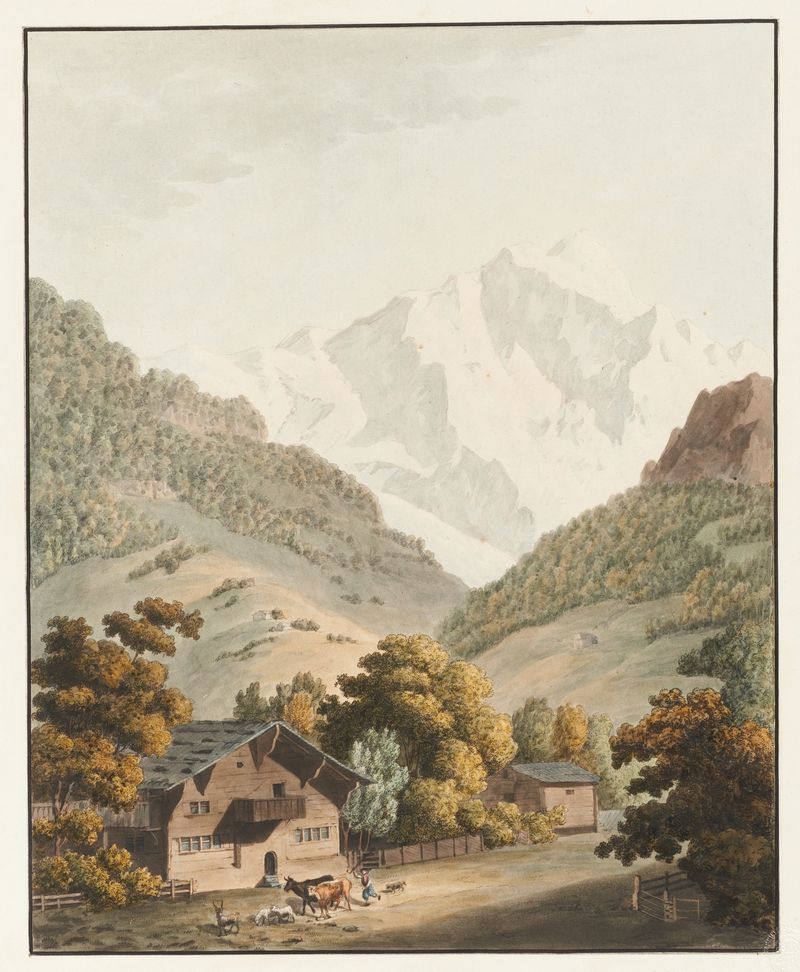
Vue du Jungfrau-Horn
Johann Ludwig Aberli
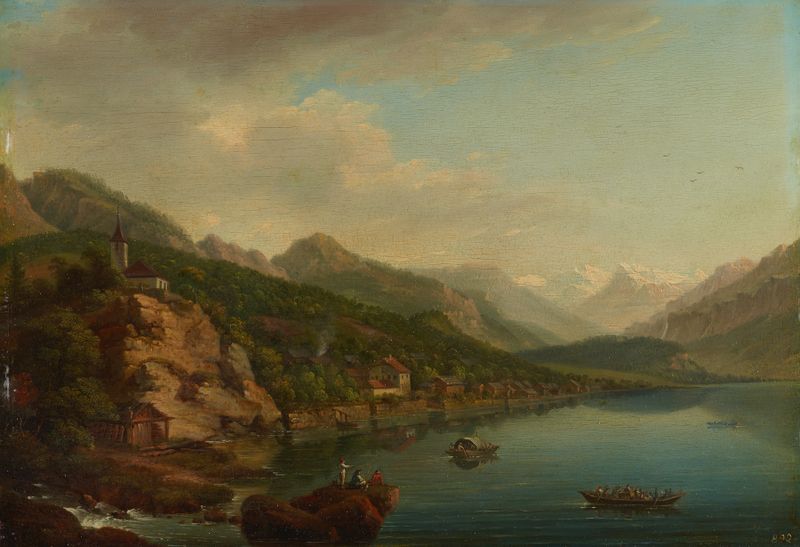
Vue du Village et du Lac de Brientz
Johann Ludwig Aberli





