
Wacław’s farewell to Maria — History & Facts
In Wacław’s farewell to Maria, the artist Józef Simmler captures a poignant moment of parting. The painting features a somber color palette dominated by deep blues and muted earth tones. Wacław, a young man, is depicted in a moment of emotional farewell, while Maria, dressed in a flowing gown, appears both graceful and melancholic.
The setting suggests a natural landscape, enhancing the emotional weight of their separation. The painting is executed in oil on canvas, a medium that allows for rich color and texture. Simmler's brushwork is visible, with soft blending in the figures' clothing and more defined strokes in the background. The composition draws the viewer's eye towards the central figures, emphasizing their emotional connection.
The dimensions of the work are approximately 100 x 80 cm, making it a substantial piece that invites close inspection. Józef Simmler was known for his romantic themes and emotional depth in his works. Wacław’s farewell to Maria is a reflection of the Romanticism movement, focusing on individual emotion and the beauty of nature. An interesting fact about this painting is that it exemplifies the cultural context of 19th-century Poland, where themes of love and separation were prevalent due to social and political upheaval.
This work remains a significant representation of Polish Romantic art.
More Artworks by Józef Simmler
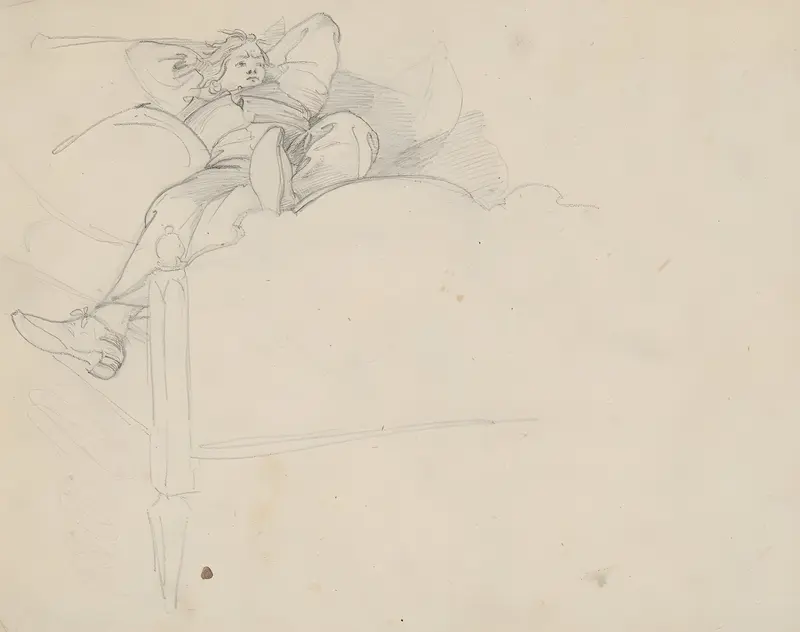
Man resting on a bed
Józef Simmler
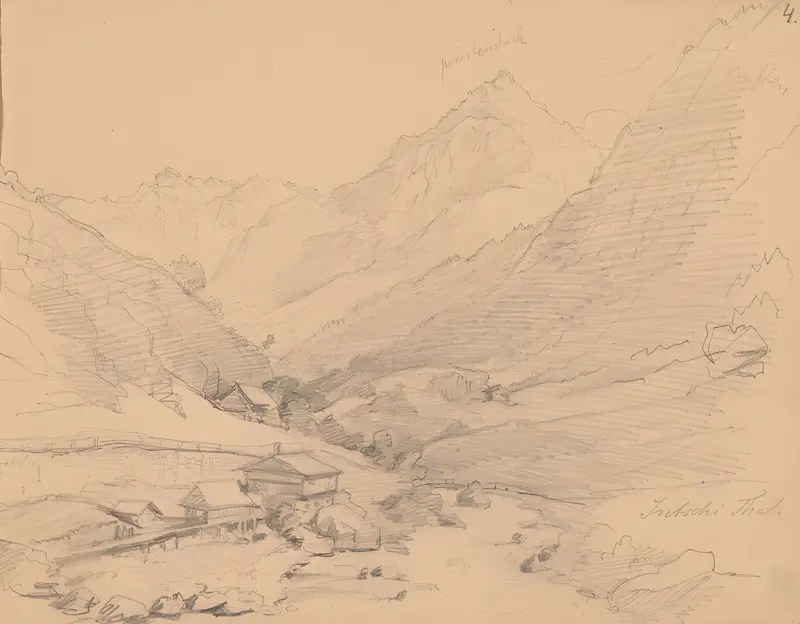
Mountain landscape
Józef Simmler
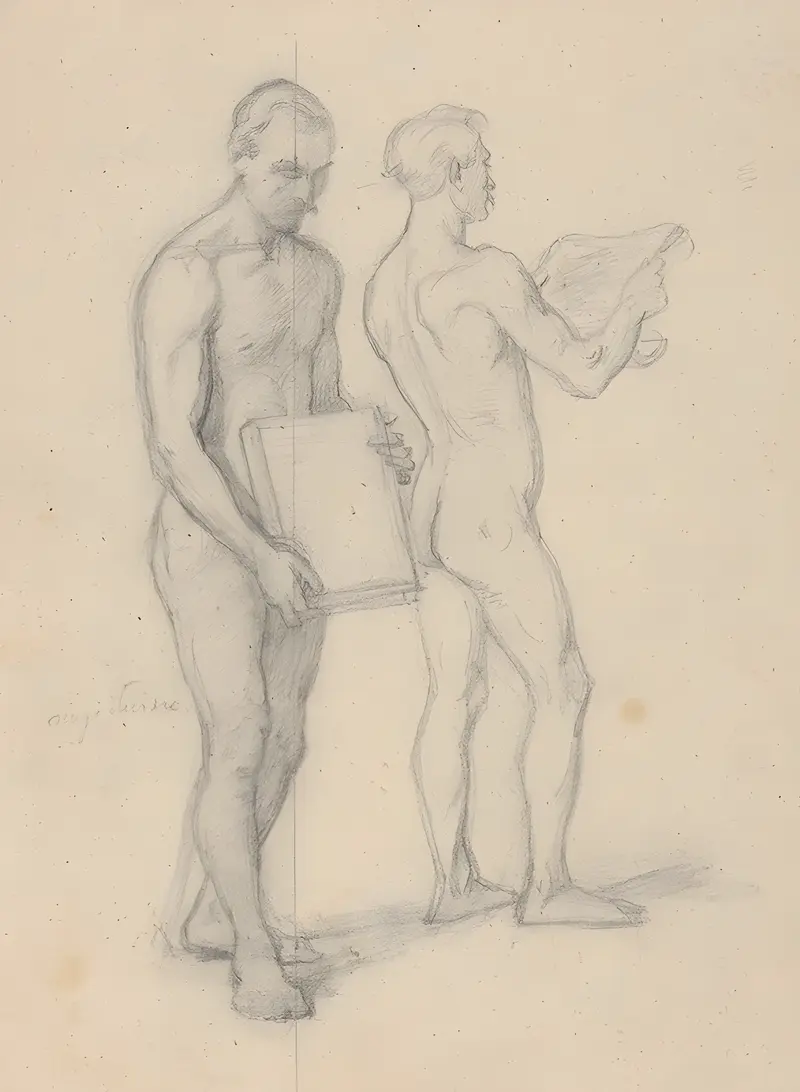
Nude studies for the figures of Jaśko of Tęczyn and the man standing behind him for the painting ‘Queen Jadwiga’s Oath’
Józef Simmler

Half-length figure of a boy in profile to the left
Józef Simmler
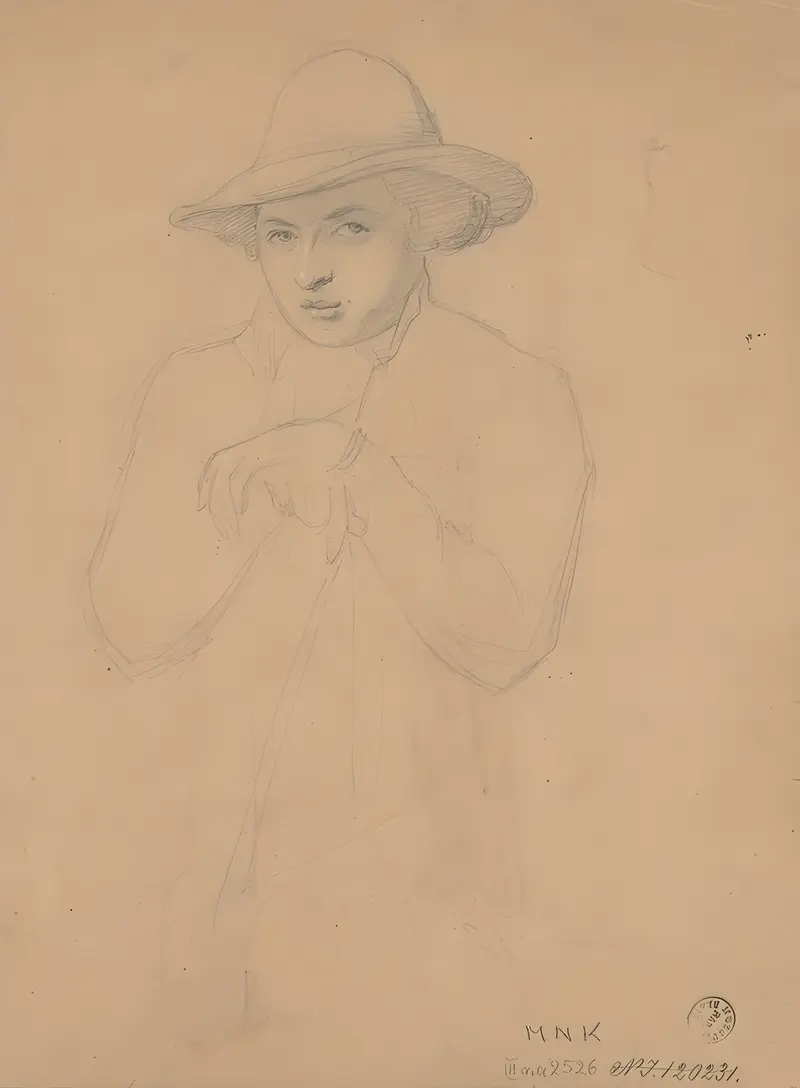
Half-length figure of young man in a hat
Józef Simmler
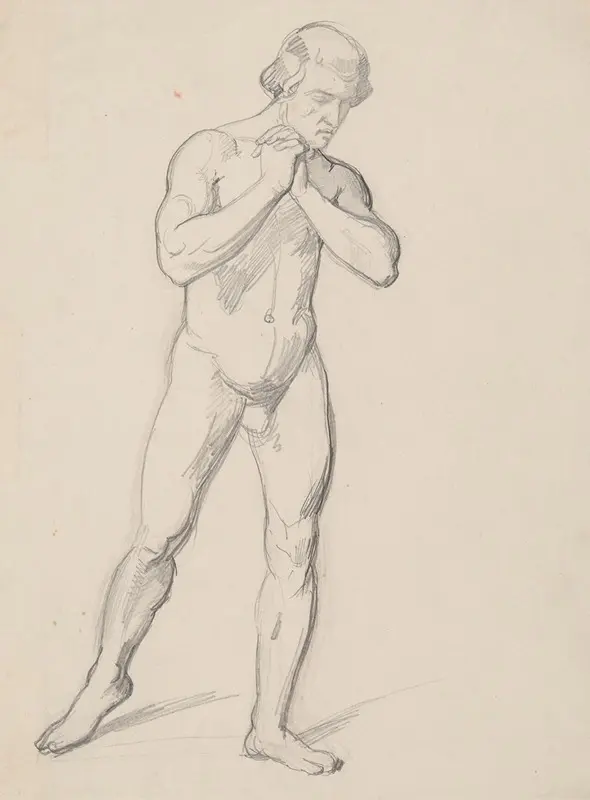
Sketch of a nude male
Józef Simmler
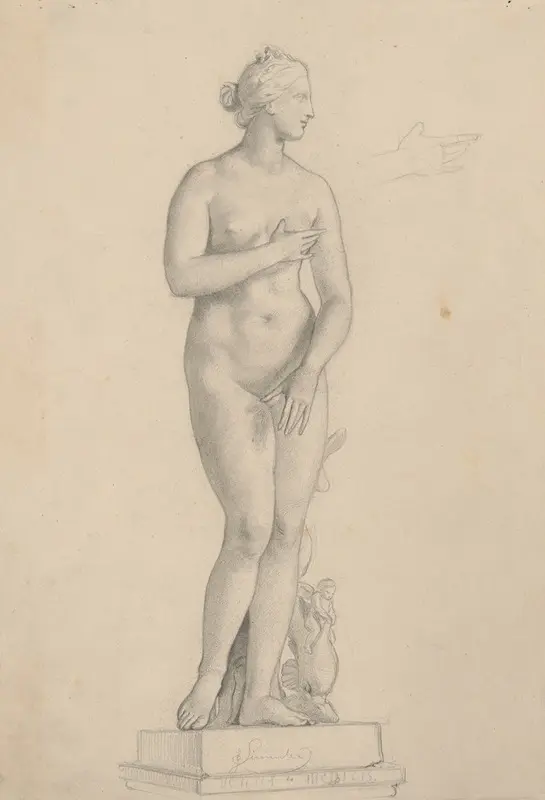
Studium rzeźby ‘Wenus Medycejska’
Józef Simmler
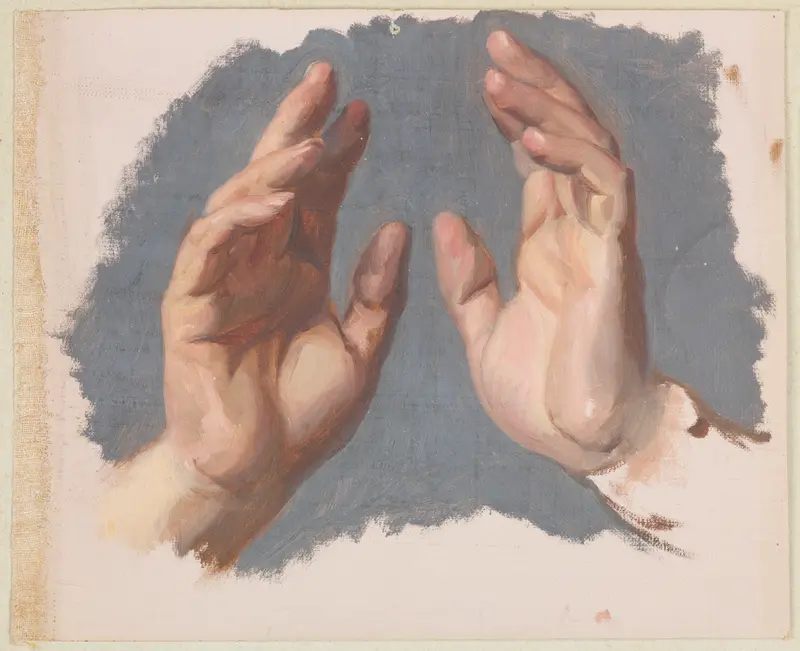
Study of Both Hands of the Bishop for the Painting ‘The Oath of Queen Jadwiga’
Józef Simmler
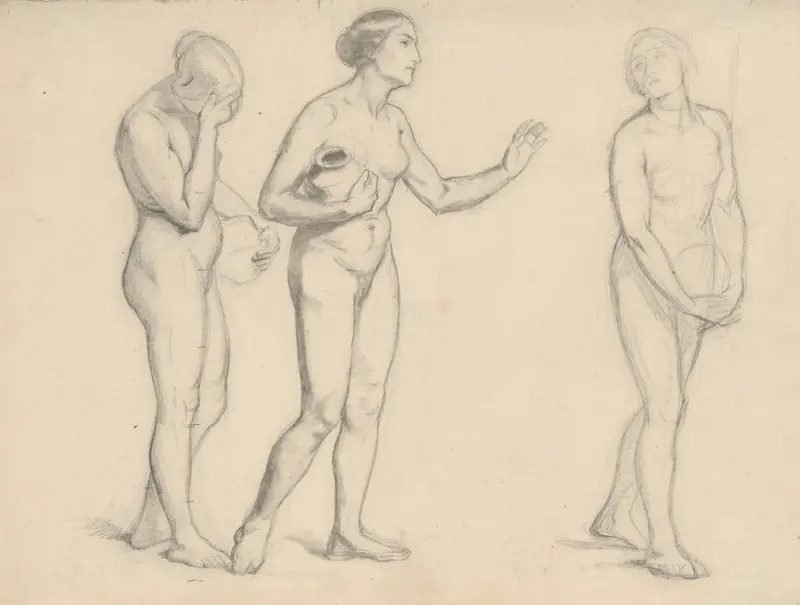
Study of female nudes to figures of three Marys for the painting ‘Three Marys’
Józef Simmler

Nude male study to the painting ‘King David playing the harp’
Józef Simmler





