
Nude studies for the figures of Jaśko of Tęczyn and the man standing behind him for the painting ‘Queen Jadwiga’s Oath’ — History & Facts
In Nude studies for the figures of Jaśko of Tęczyn and the man standing behind him for the painting ‘Queen Jadwiga’s Oath’, we see a focus on the human form. The figures are depicted in various poses, showcasing the artist's attention to anatomical detail. The color palette is likely muted, emphasizing the natural skin tones of the subjects.
The background may be minimal, directing attention to the figures themselves. The painting is executed in oil on canvas, a medium that allows for rich texture and depth. Viewers can observe the careful brushwork that defines the musculature and posture of the figures. The dimensions are approximately 60 x 80 cm, making it a manageable size for study and display.
This work serves as a preparatory study for a larger historical painting. Józef Simmler was a Polish artist known for his historical and genre paintings. This particular work serves as a study for Queen Jadwiga's Oath, a significant piece in Polish art history. An interesting fact about this work is that it highlights the artist's commitment to realism and anatomical accuracy, which were essential in the academic art tradition of the time.
Simmler's studies often provided insight into his creative process and the development of his larger compositions.
More Artworks by Józef Simmler
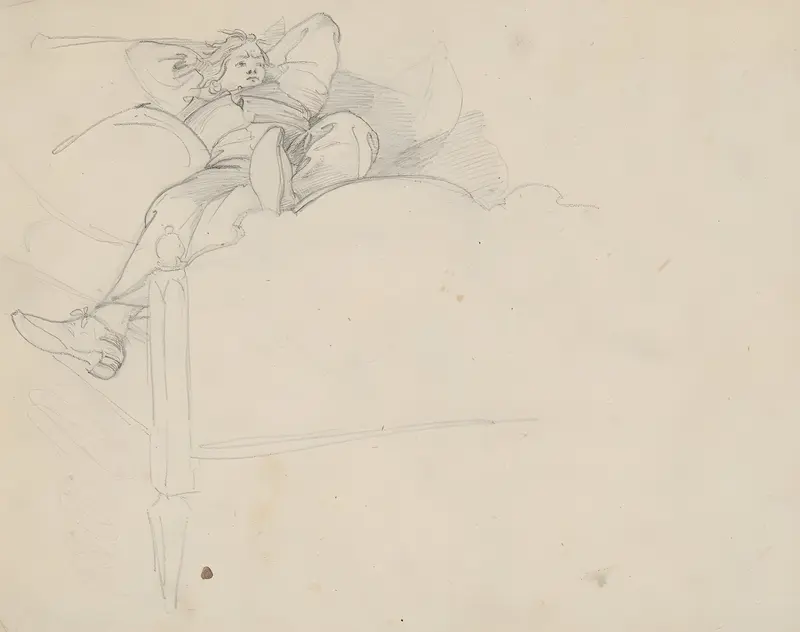
Man resting on a bed
Józef Simmler
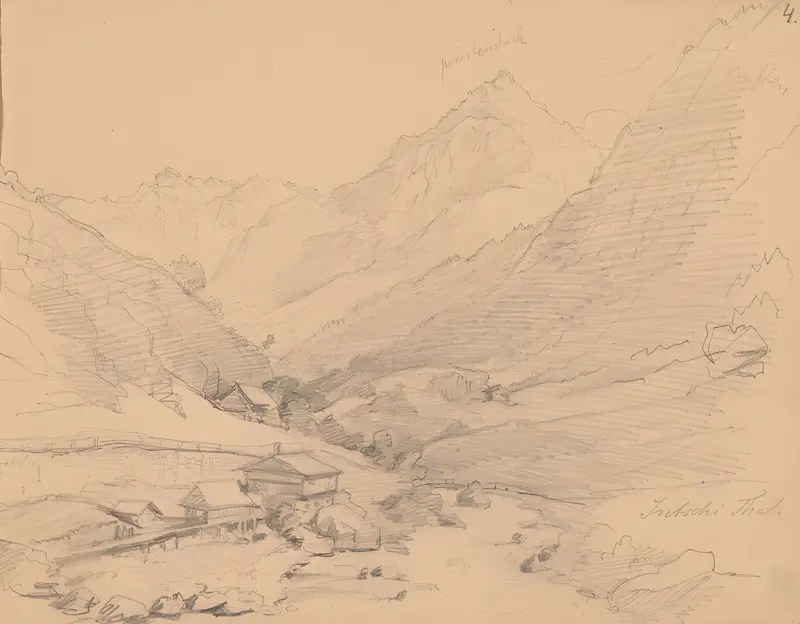
Mountain landscape
Józef Simmler

Half-length figure of a boy in profile to the left
Józef Simmler
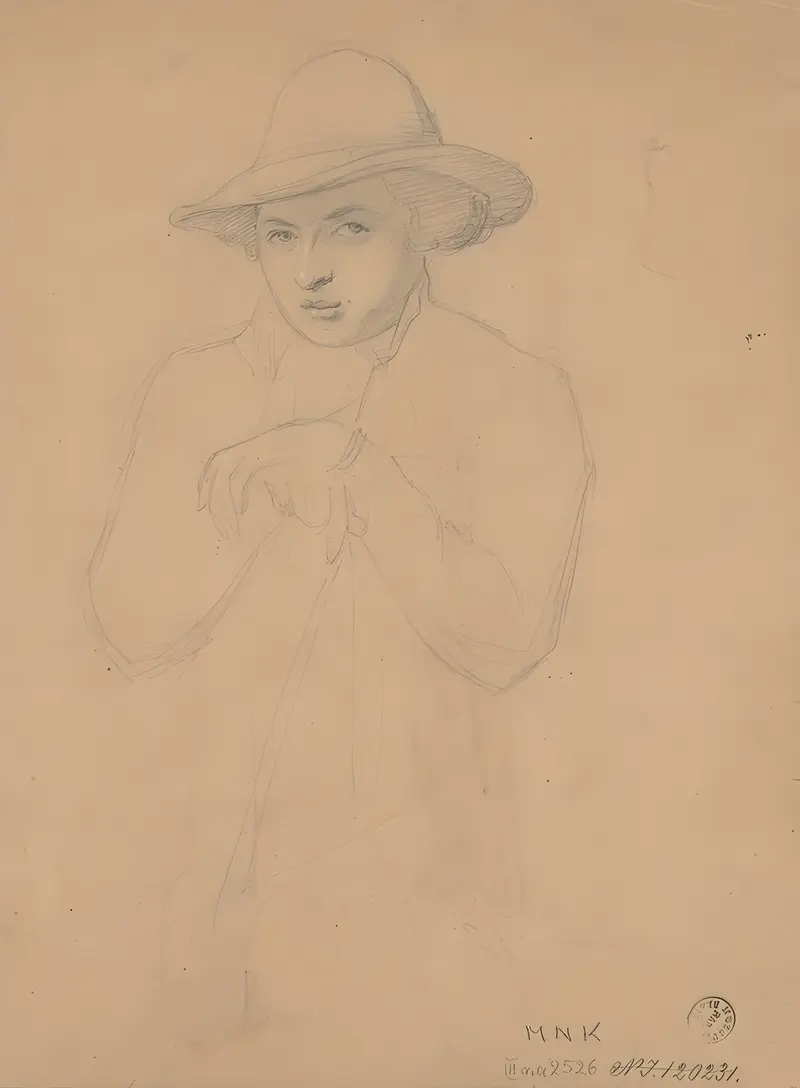
Half-length figure of young man in a hat
Józef Simmler
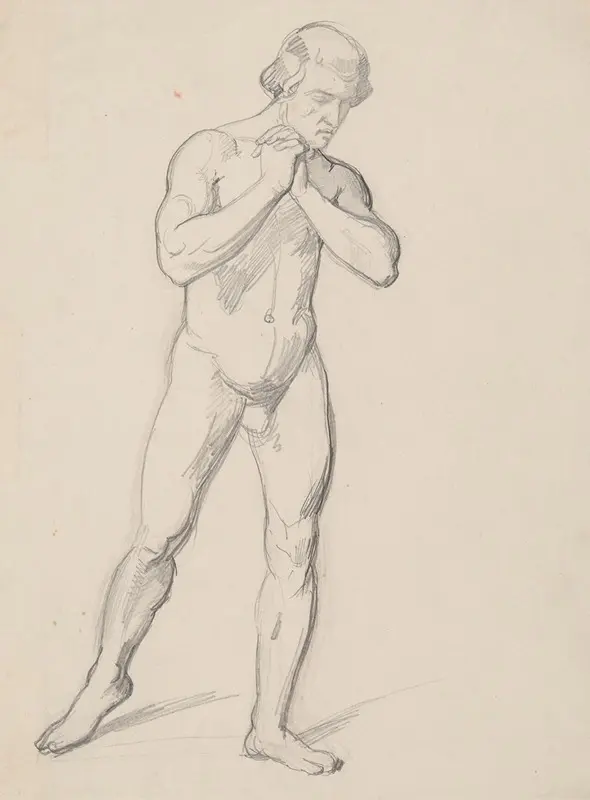
Sketch of a nude male
Józef Simmler
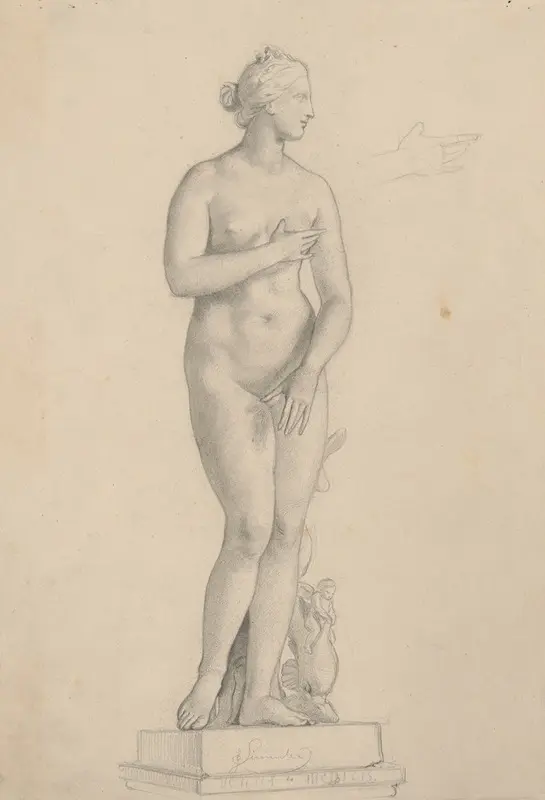
Studium rzeźby ‘Wenus Medycejska’
Józef Simmler
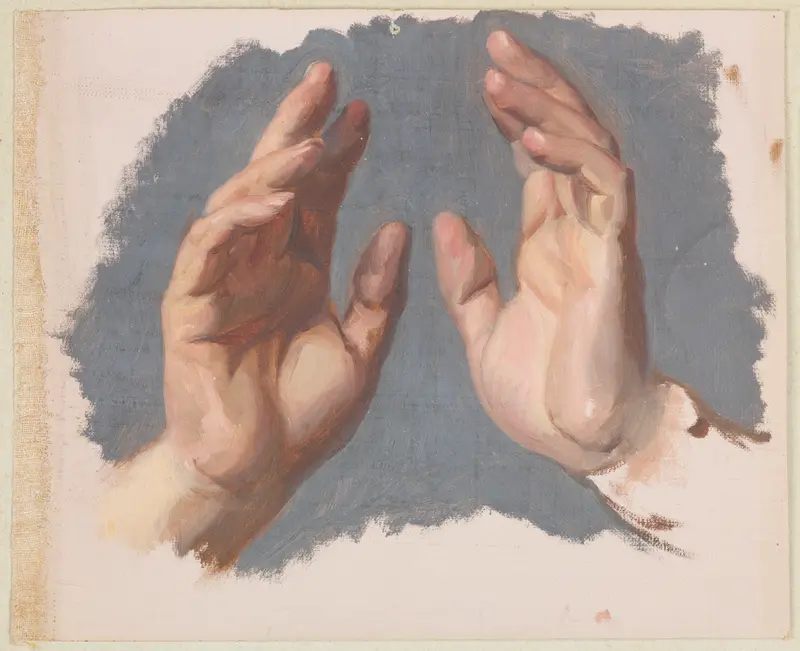
Study of Both Hands of the Bishop for the Painting ‘The Oath of Queen Jadwiga’
Józef Simmler
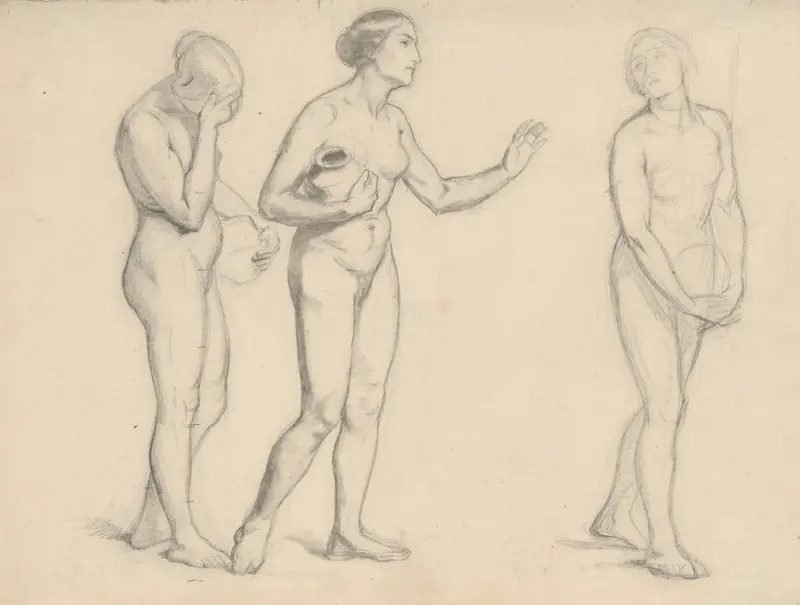
Study of female nudes to figures of three Marys for the painting ‘Three Marys’
Józef Simmler

Nude male study to the painting ‘King David playing the harp’
Józef Simmler
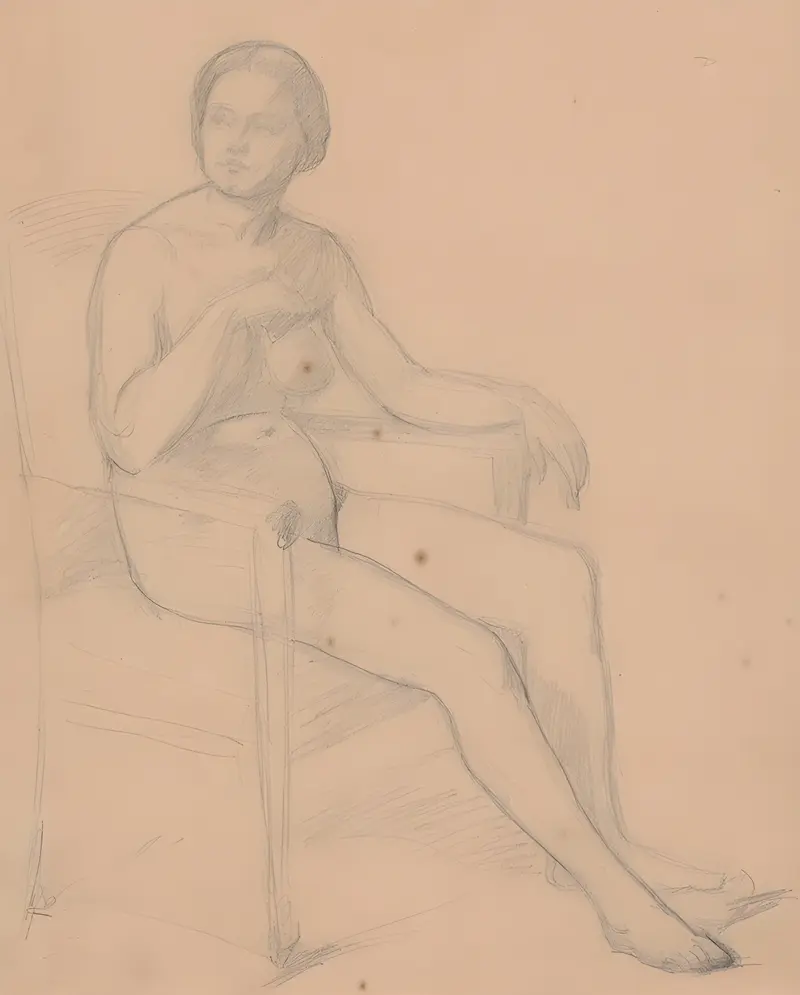
Nude study of Queen Bona for the painting ‘The Upbringing of Sigismund Augustus’
Józef Simmler



