Waikanae — History & Facts
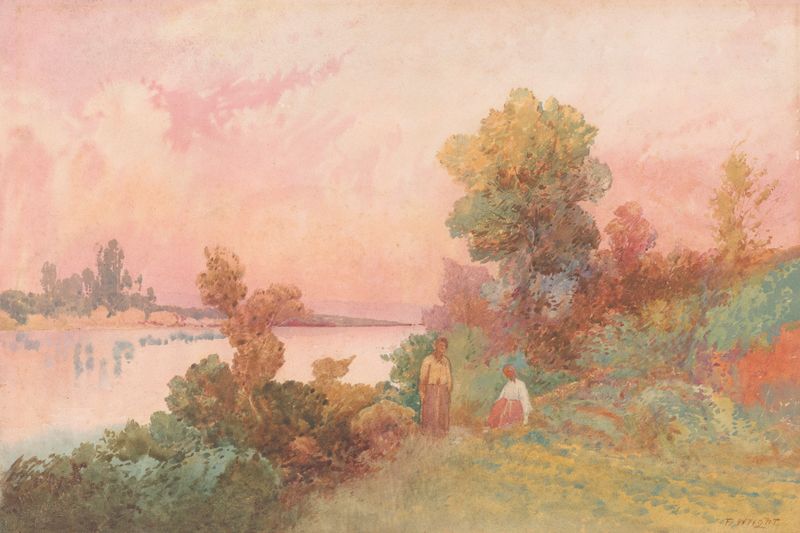
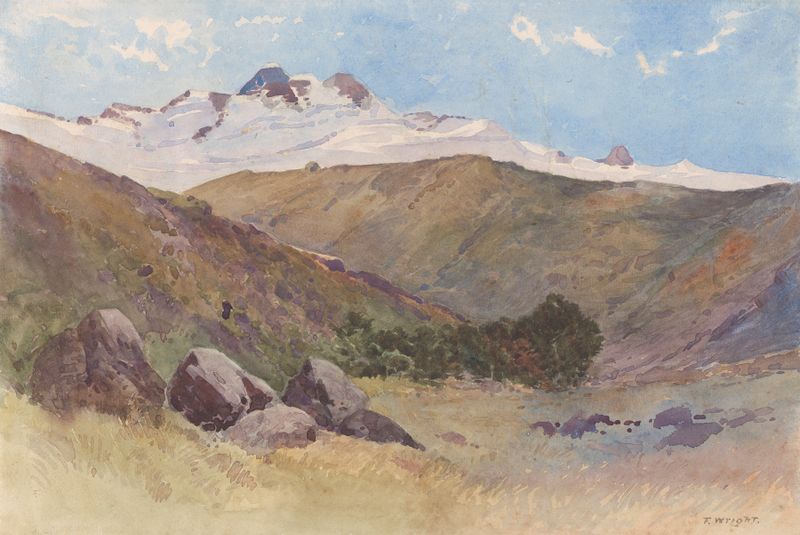
In a world often filled with noise, the void speaks louder than any cacophony of sound. It is within this emptiness that one can unearth the deepest truths of existence. To the left, azure waters stretch infinitely, inviting the eye to wander and wonder. Look closely at the foreground, where soft grasses sway gently in an unseen breeze, their muted greens and browns creating a tranquil palette.
Notice how the subtle brushstrokes blend into one another, embodying the essence of nature's delicate balance. The sky above mirrors this serenity, with wisps of clouds floating lazily, their transparency suggesting a distance that is both comforting and haunting. Amidst the calm, a tension lies concealed. The contrast between the vibrant blues of the water and the earthy tones of the landscape reveals a dialogue between freedom and restraint.
Here, the void is not merely empty space; it symbolizes the potential of what lies beyond perception, the unspoken desires that dwell within each of us. In this painting, the absence of human figures underscores a feeling of isolation, making the viewer acutely aware of their own presence in the vastness of nature. Frank Wright created Waikanae between 1906 and 1907, during a period of transition in New Zealand's art scene. As a burgeoning artist, he was influenced by the natural beauty surrounding him, seeking to capture the essence of this landscape while exploring the intricacies of light and color.
The work reflects a growing interest in Impressionism, yet it retains a distinctive voice, one that seeks truth within the silence of nature.