
Warwick Castle from the Avon — History & Facts
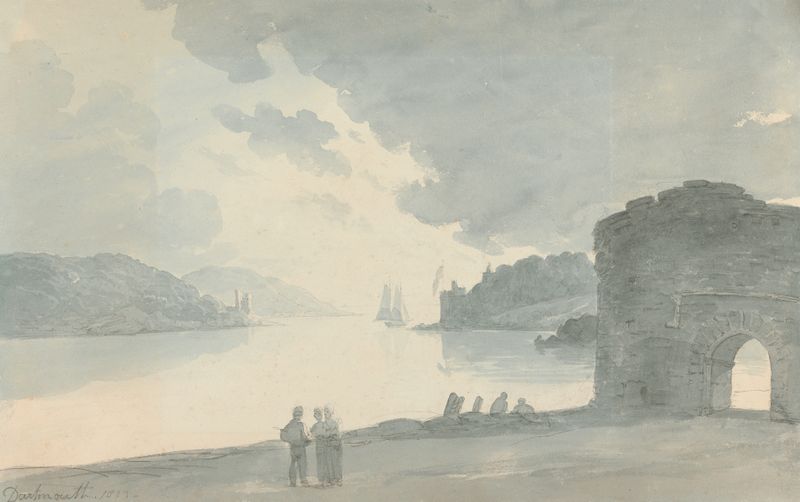
In the quiet moments of reflection, what do our obsessions reveal about who we are? Look to the left at the gentle curve of the River Avon, where it winds tenderly around the ancient stones of Warwick Castle. The artist employs soft blues and greens, creating a serene juxtaposition against the sturdy browns and grays of the castle. Notice how the sunlight dances off the water’s surface, casting fleeting highlights that breathe life into the composition.
Each brushstroke conveys a sense of permanence, yet the surrounding nature whispers of an impermanence that transcends the scene. As you explore further, consider the intricate detailing of the castle’s turrets, standing resolute against the vibrant sky. This contrast between the manmade structure and the organic landscape hints at a dialogue between ambition and nature. The shadows, deep and elongated, evoke both history and solitude, suggesting that the castle, while grand, has witnessed the passage of time — a silent observer of human obsession, perhaps mirroring our desire to conquer and preserve. In 1837, while living in England, the artist captured this iconic scene at a time when Romanticism was gaining momentum, emphasizing the beauty of nature and the intricacies of human creations.
Knight, influenced by the pastoral tradition, sought to immortalize not only the grandeur of Warwick Castle but also the tranquility of its surroundings. This period marked a transition in art, where the relationship between humanity and nature began to be more scrutinized, reflecting the cultural shifts of a rapidly industrializing world.
More Artworks by John Baverstock Knight
Browse all →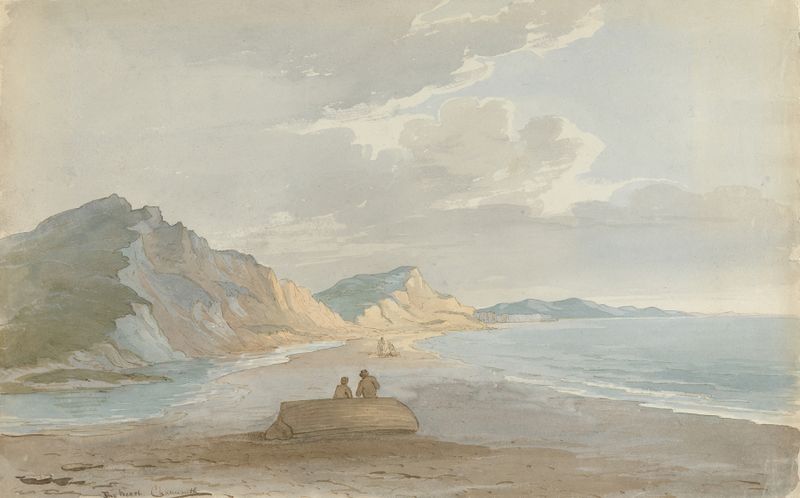
The Beach at Charmouth
John Baverstock Knight

Combe near Sarum
John Baverstock Knight
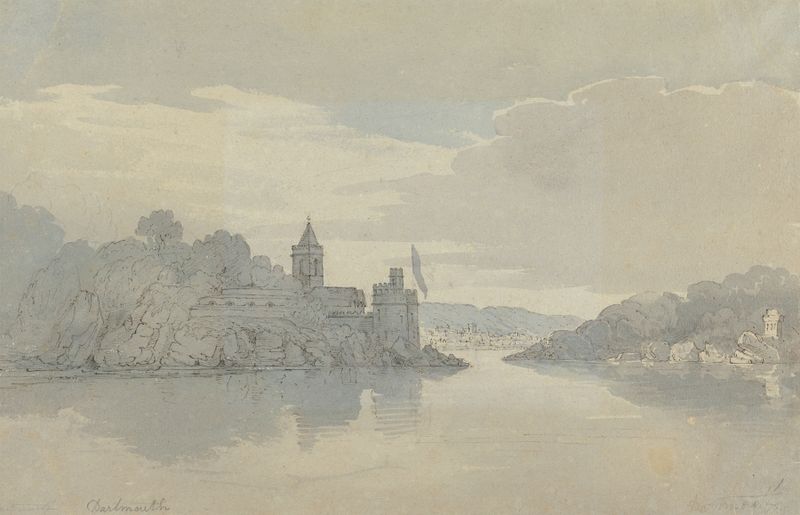
Dartmouth Castle
John Baverstock Knight

Quay at Dartmouth
John Baverstock Knight
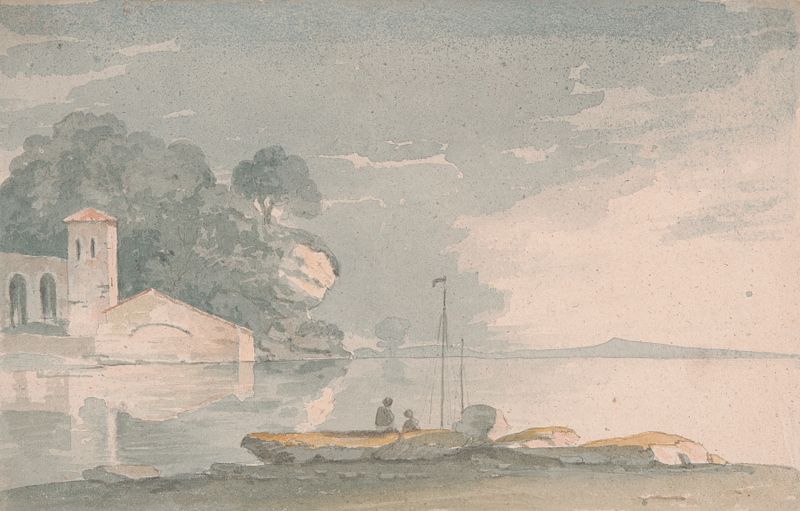
Boat and Figures on Shore of a Lake
John Baverstock Knight
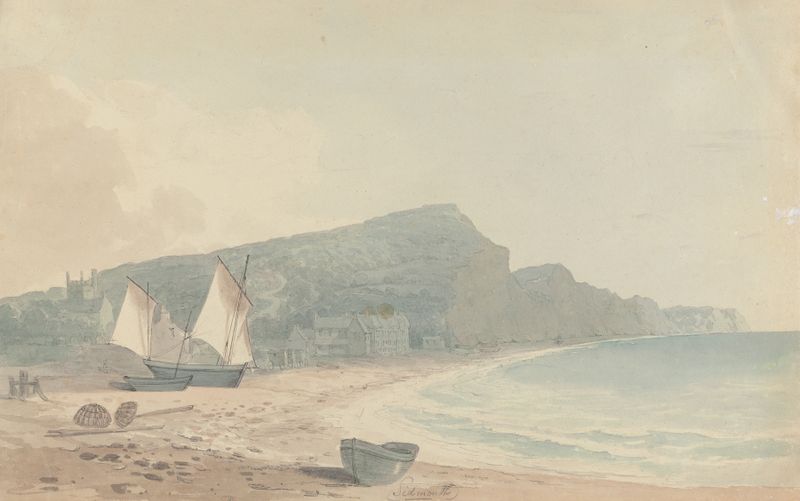
Sidmouth
John Baverstock Knight

Studland Dock Yard
John Baverstock Knight
Dartmouth
John Baverstock Knight

Tilly Whim Cave, Dorset
John Baverstock Knight

Totness
John Baverstock Knight





