
Dartmouth — History & Facts
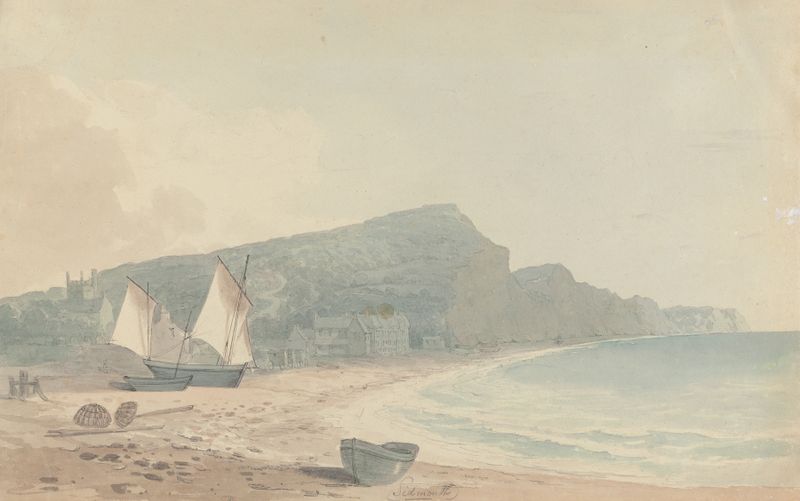
What if silence could speak through light? In Dartmouth, the interplay of stillness and brightness invites a profound reflection on memory, evoking the whispers of the past. Look to the foreground, where the sunlight dances upon the tranquil waters, illuminating the soft ripples that cradle the boat gliding silently across the surface. Notice how the artist employs a delicate palette of blues and greens, contrasting with the warm golden hues of the town’s buildings, creating a serene balance that draws the viewer's gaze. The meticulously detailed architecture of Dartmouth stands proudly in the background, nestled against the gentle hills, each stroke revealing Knight's adeptness at capturing both light and shadow. Amidst the calm, there exists an undercurrent of nostalgia, as if the painting holds the echoes of lives once lived in this seaside town.
The juxtaposition of the stillness of the water against the lively, bustling architecture hints at stories untold — moments suspended in time, memories both cherished and fleeting. Each brushstroke communicates a longing, weaving together the threads of history and personal experience, as viewers are encouraged to project their own narratives onto the canvas. In 1823, John Baverstock Knight found himself immersed in the emerging Romantic movement, striving to express the beauty of nature and the human experience. Painting during a period of social change in England, he aimed to capture the essence of places that held collective memories, such as Dartmouth.
As he rendered this peaceful scene, he not only showcased his technical skill but also tapped into a universal longing for connection to the past.
More Artworks by John Baverstock Knight
Browse all →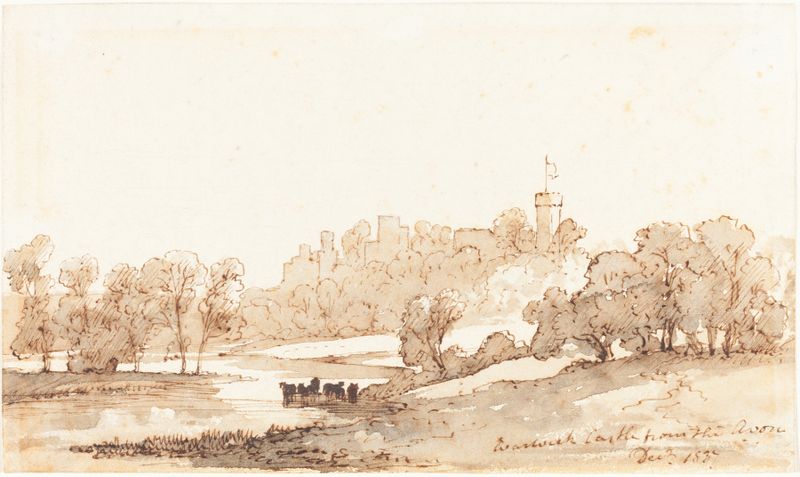
Warwick Castle from the Avon
John Baverstock Knight
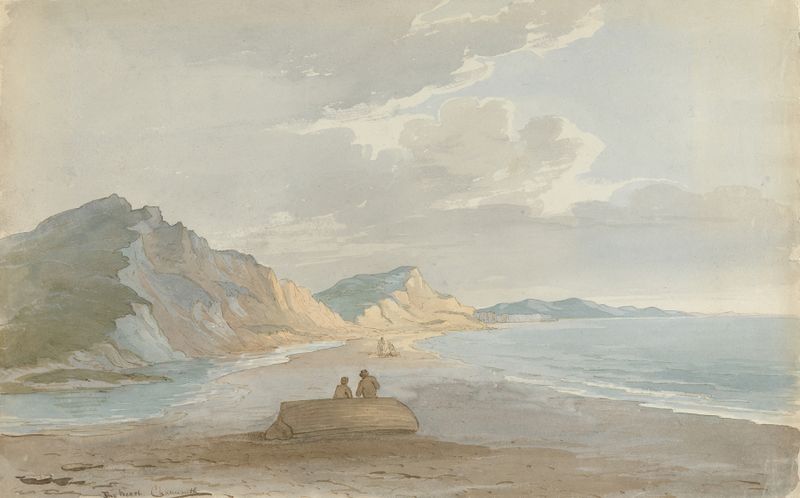
The Beach at Charmouth
John Baverstock Knight

Combe near Sarum
John Baverstock Knight
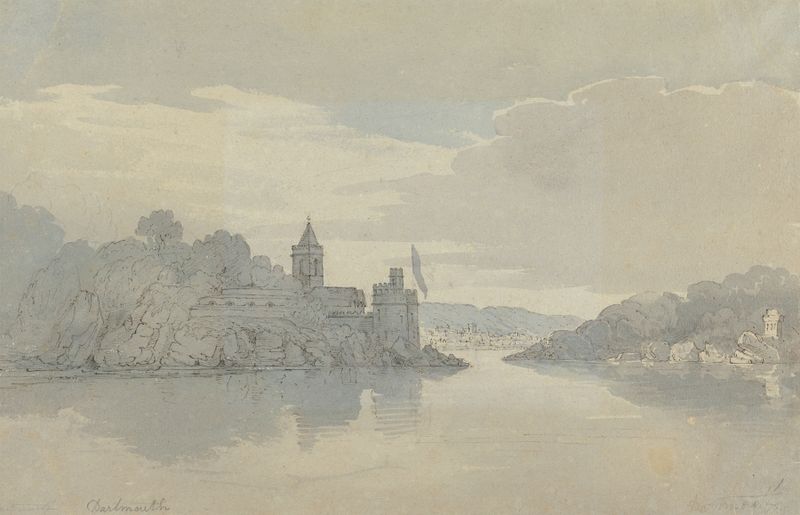
Dartmouth Castle
John Baverstock Knight

Quay at Dartmouth
John Baverstock Knight
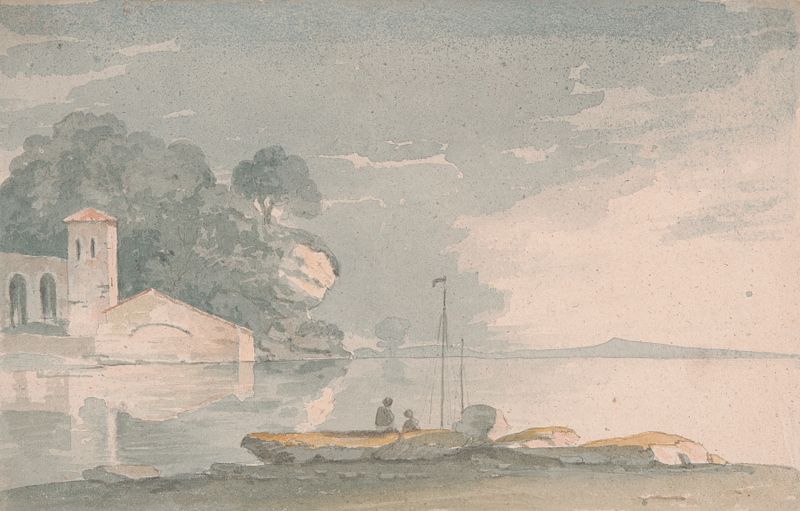
Boat and Figures on Shore of a Lake
John Baverstock Knight
Sidmouth
John Baverstock Knight

Studland Dock Yard
John Baverstock Knight

Tilly Whim Cave, Dorset
John Baverstock Knight

Totness
John Baverstock Knight





