Discover insights about this artwork
Washerwoman — History & Facts
In Washerwoman, Jean Siméon Chardin presents a scene of a woman engaged in the labor of washing clothes. The painting features a muted color palette, dominated by earthy tones and soft highlights. The washerwoman is depicted in a simple setting, surrounded by buckets and linens, emphasizing her everyday task.
The composition draws the viewer's eye to her focused expression and the textures of the wet fabric. Chardin's technique in Washerwoman showcases his skill in capturing light and texture. The brushwork is delicate, allowing for a realistic representation of the fabrics and water. The use of chiaroscuro enhances the three-dimensionality of the figures and objects.
This painting exemplifies Chardin's ability to elevate ordinary subjects into works of art. Washerwoman reflects Chardin's interest in the lives of ordinary people, a common theme in his work. Created around c. 1735, this painting is a fine example of Rococo style, characterized by its focus on domestic scenes.
Interestingly, Chardin often chose to depict women in labor, highlighting their contributions to society. This work is now housed in the Musee d'Orsay, where it continues to engage viewers with its intimate portrayal of daily life.
More Artworks by Jean Siméon Chardin

The White Tablecloth
Jean Siméon Chardin
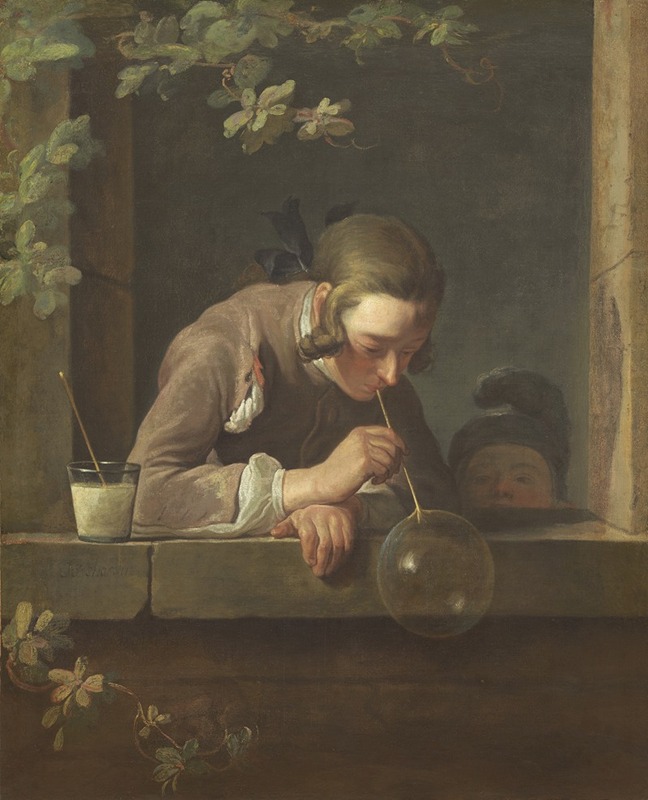
Soap Bubbles
Jean Siméon Chardin
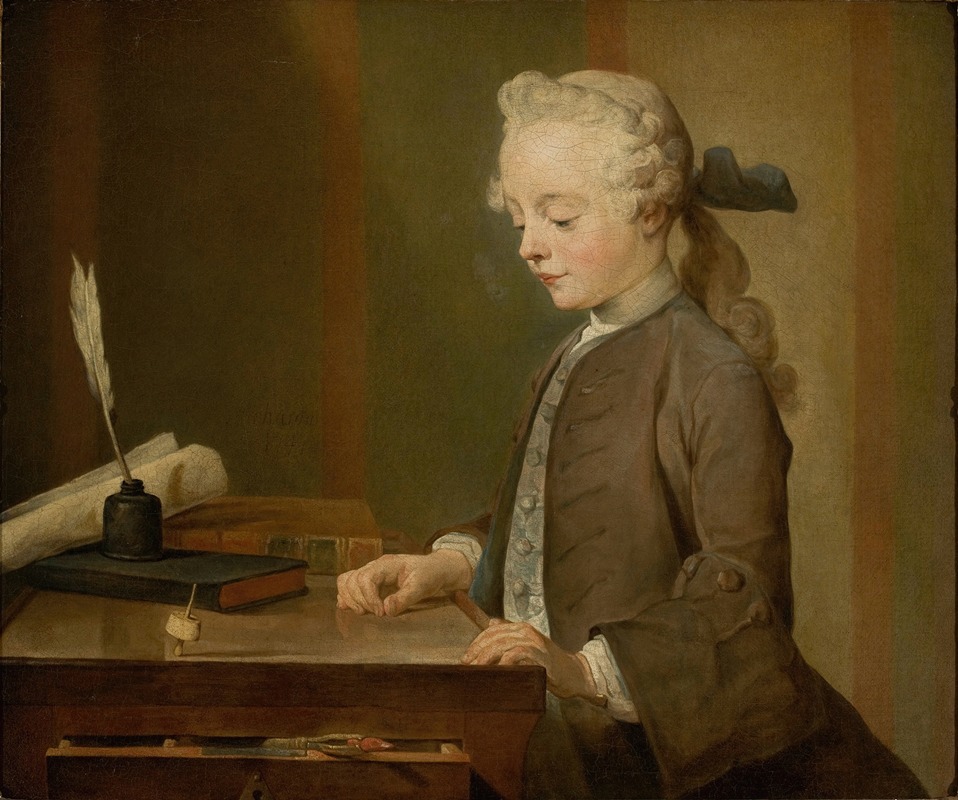
Portrait of Auguste Gabriel Godefroy
Jean Siméon Chardin
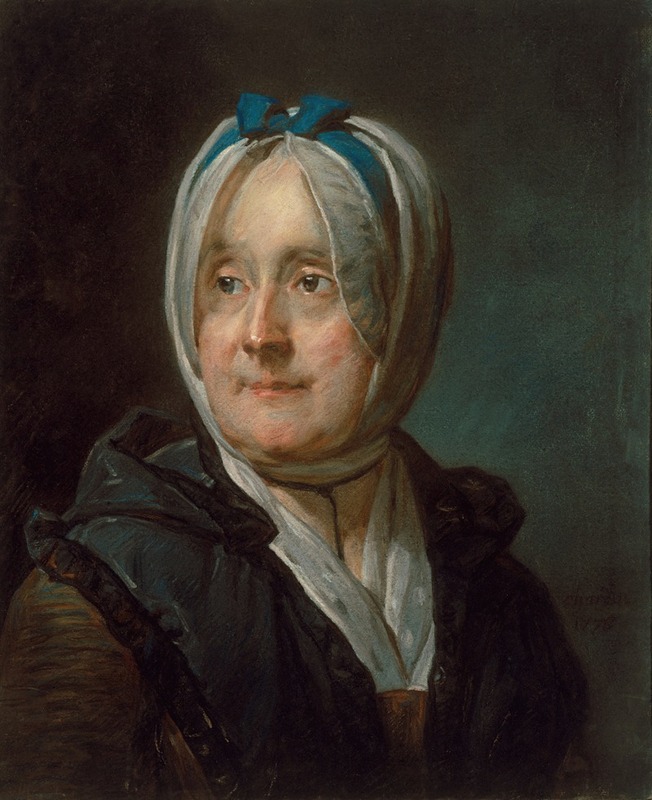
Portrait of Madame Chardin
Jean Siméon Chardin
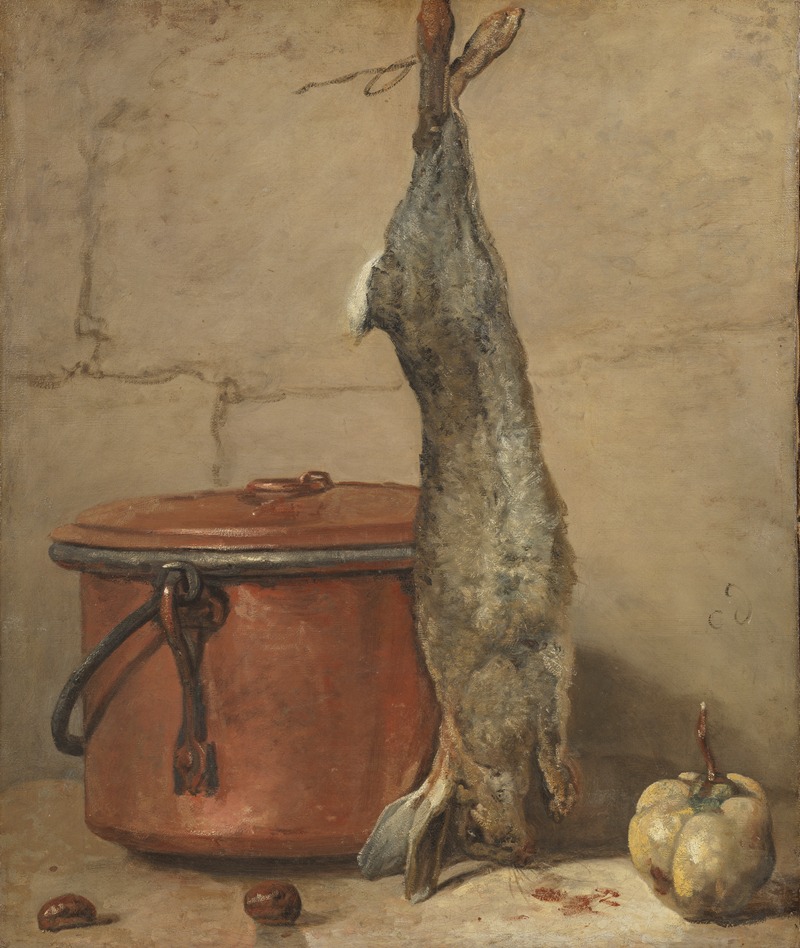
Rabbit and Copper Pot
Jean Siméon Chardin
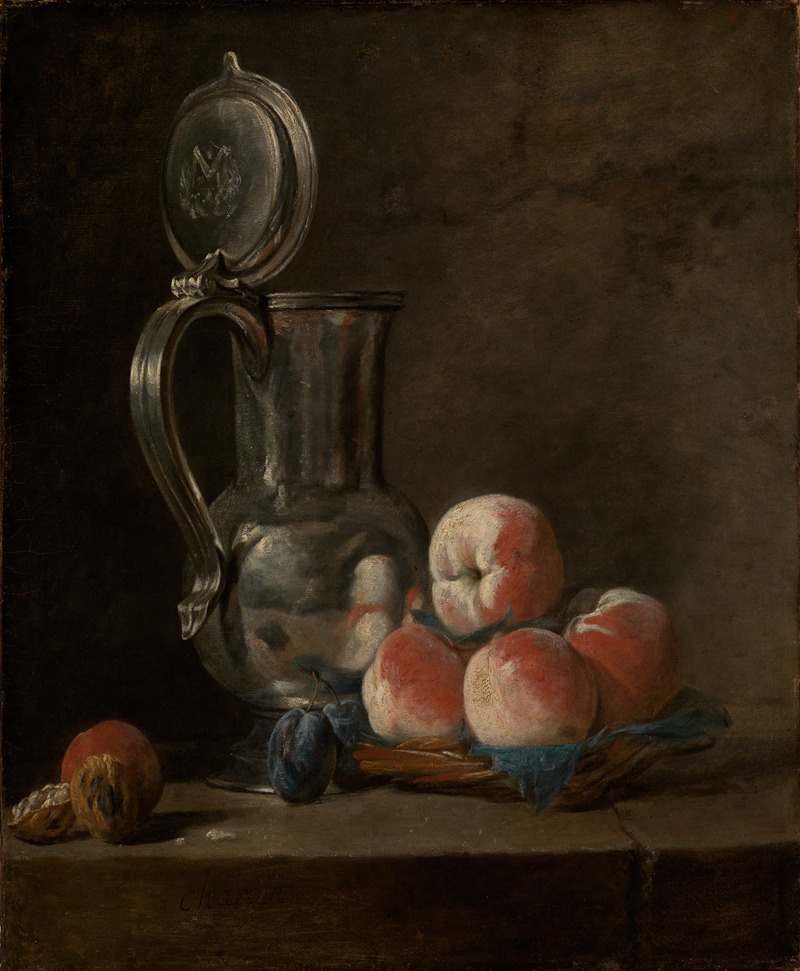
Still life with pewter jug and peaches
Jean Siméon Chardin
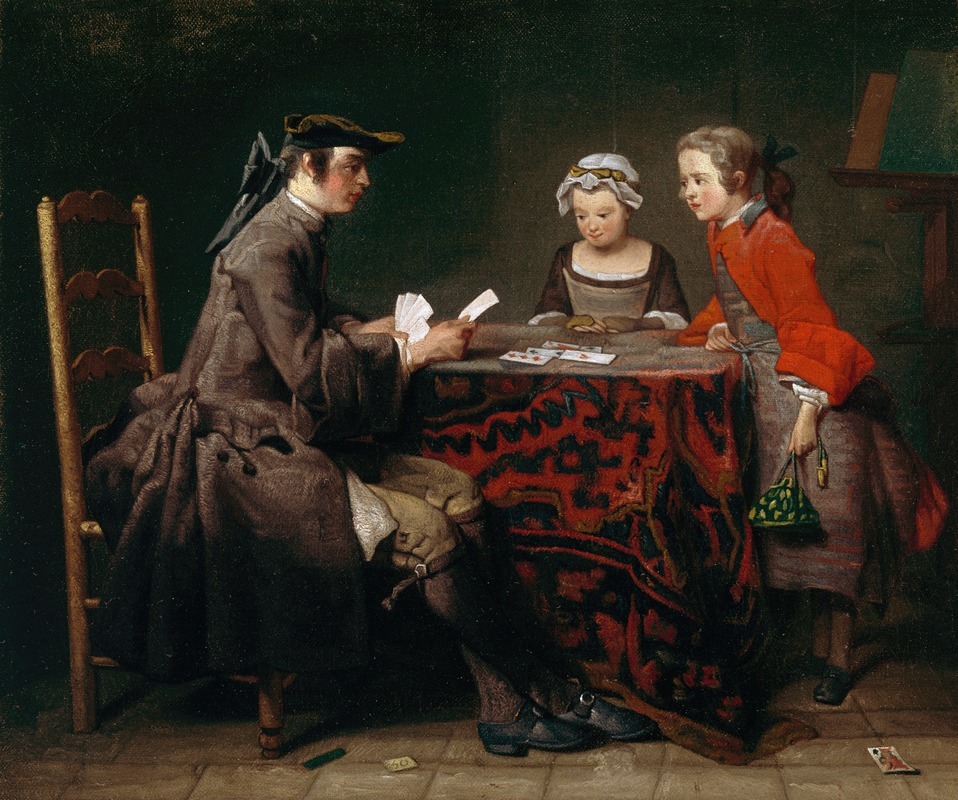
Les Tours de Cartes
Jean Siméon Chardin
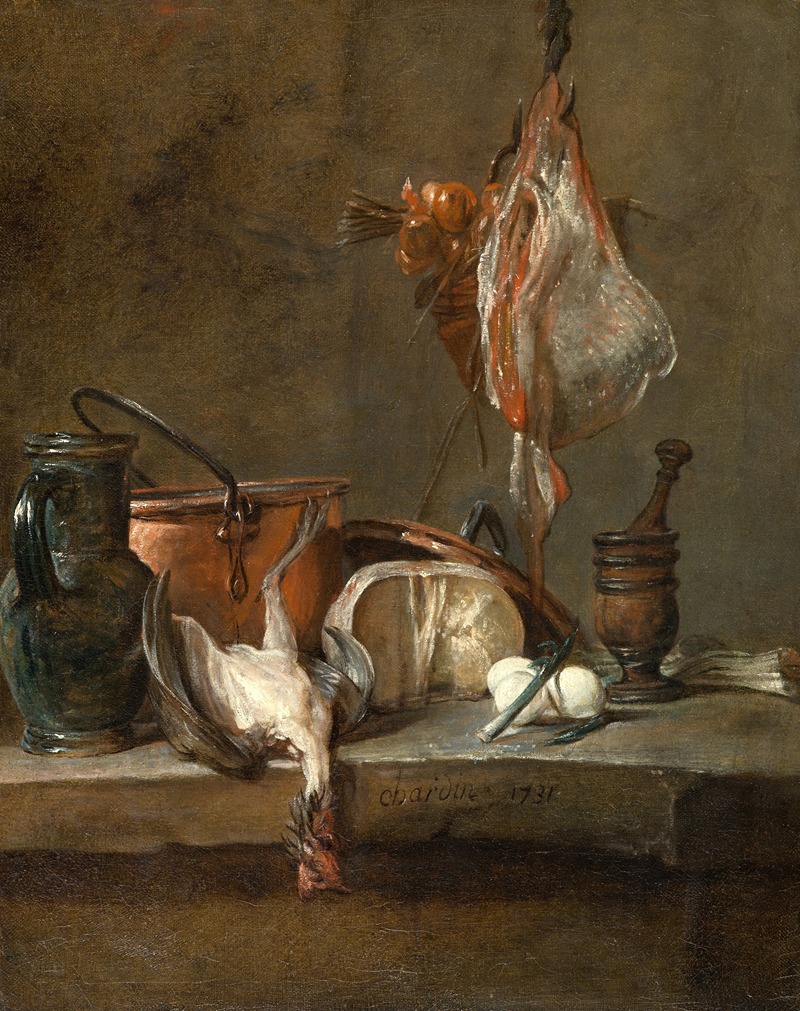
Still Life with Ray and Basket of Onions
Jean Siméon Chardin
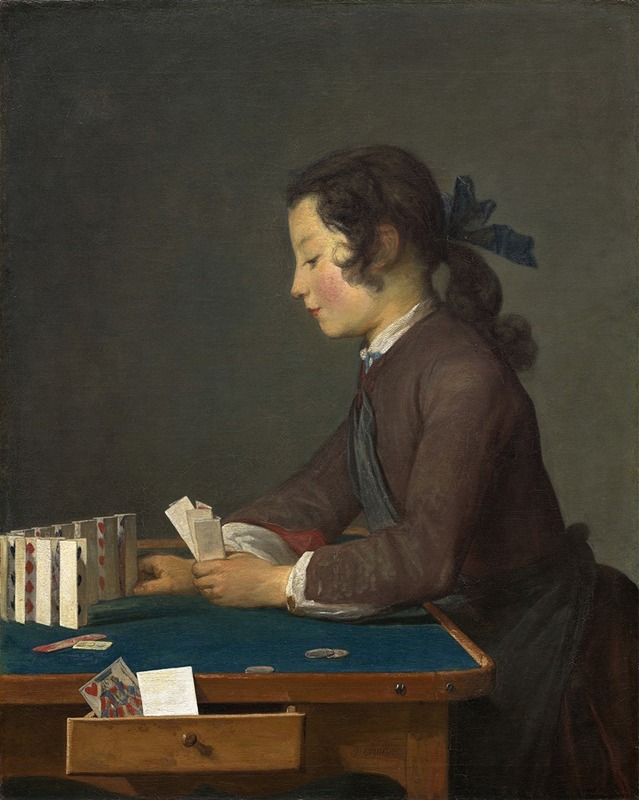
The House of Cards
Jean Siméon Chardin
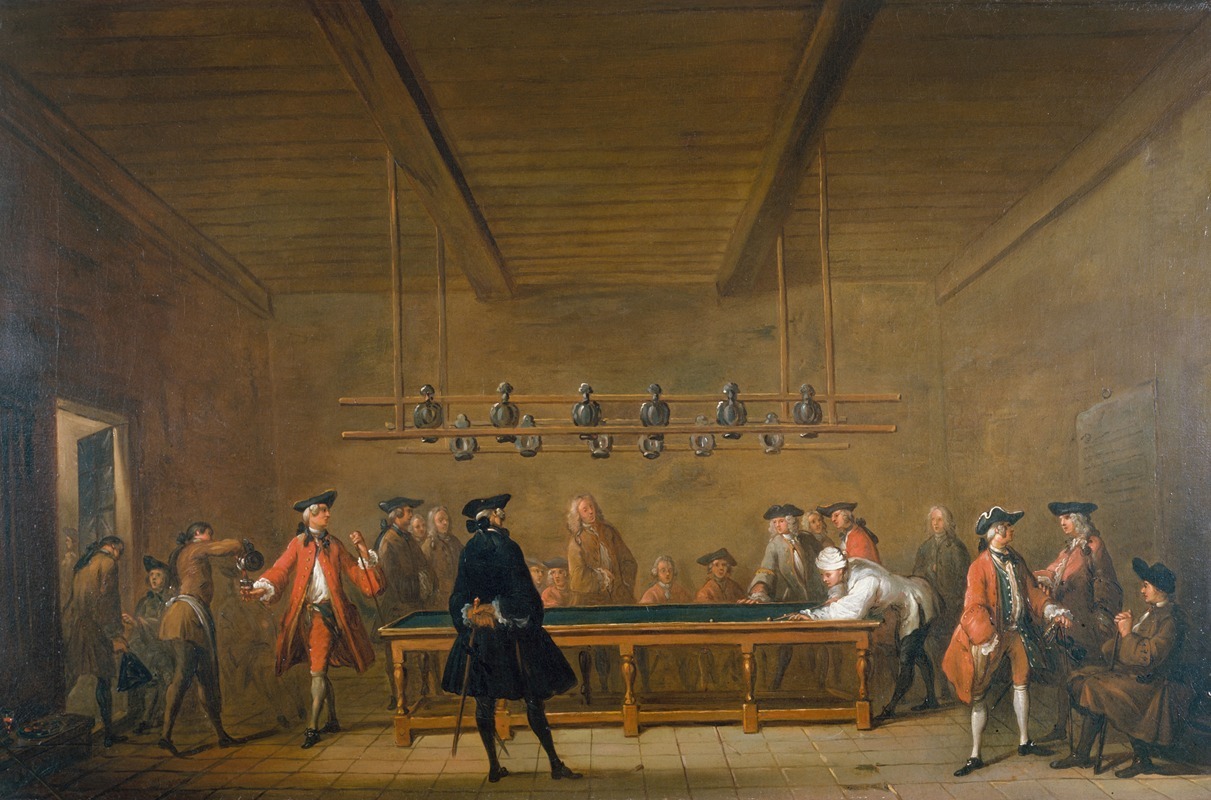
La Partie de billard
Jean Siméon Chardin