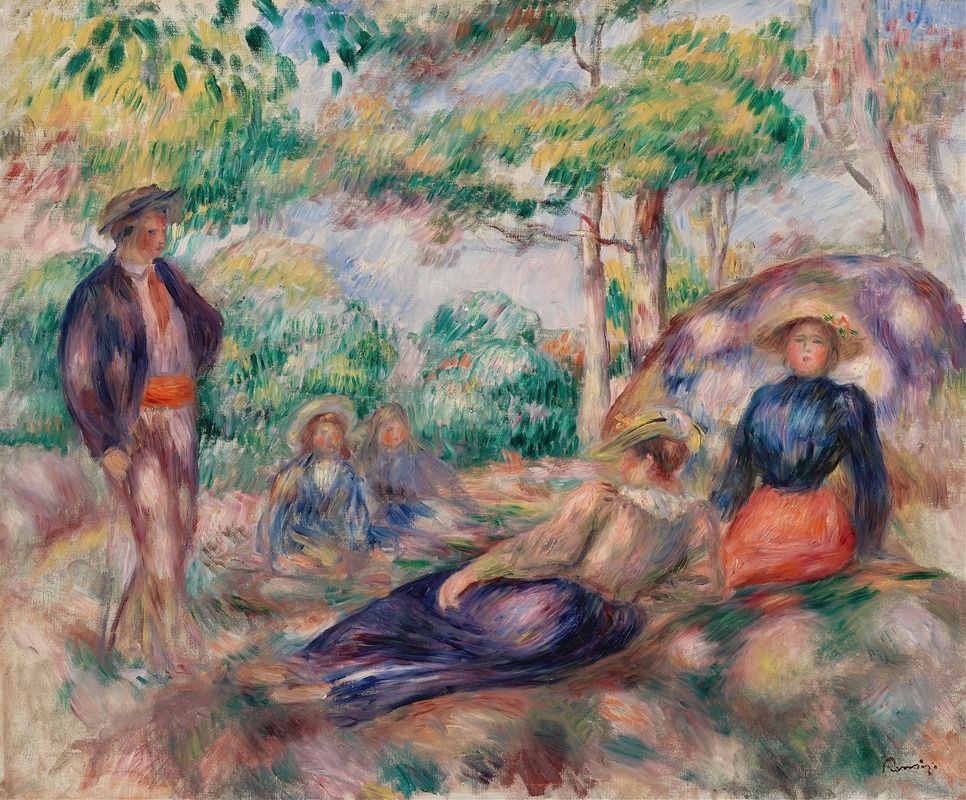
Discover insights about this artwork
Washerwomen — History & Facts
In Washerwomen, Paul Gauguin presents a vibrant scene filled with rich colors. The painting depicts several women engaged in laundry work by a river. Their clothing is colorful, contrasting with the natural greens and blues of the surroundings.
The figures are arranged in a way that draws the viewer's eye across the canvas. This artwork is created using oil on canvas, a medium that allows for vibrant color application and texture. The dimensions are approximately 73 x 92 cm, making it a sizable piece that captures attention. Gauguin's brushwork is expressive, with bold strokes that enhance the emotional quality of the scene.
The composition is dynamic, with the figures interacting harmoniously within the landscape. Paul Gauguin painted Washerwomen during his time in Brittany, France, where he sought to capture the lives of rural women. This work reflects his interest in everyday subjects and the lives of working-class people. An interesting fact about this painting is that it showcases Gauguin's departure from traditional representation, focusing instead on color and form to convey meaning.
It is a notable example of his Post-Impressionist style.
More Artworks by Paul Gauguin
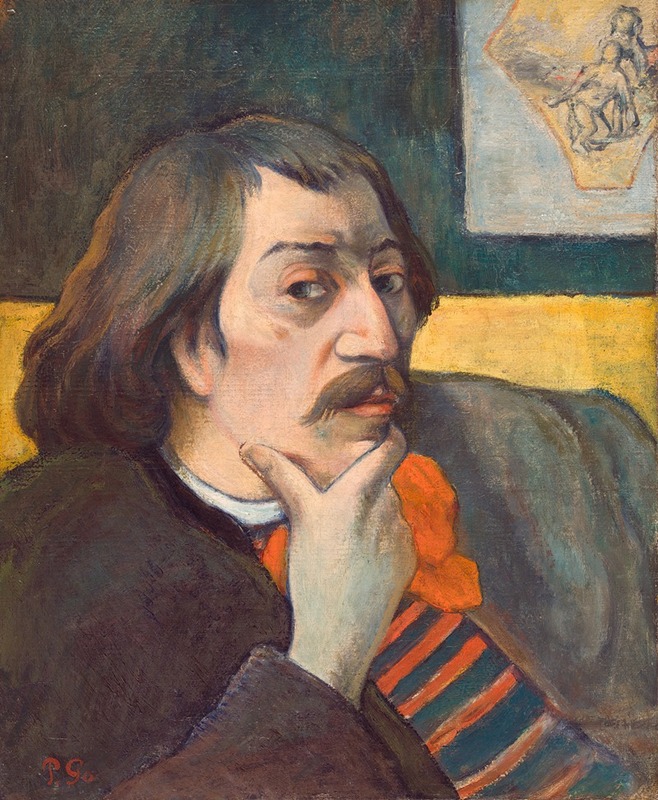
Self Portrait
Paul Gauguin
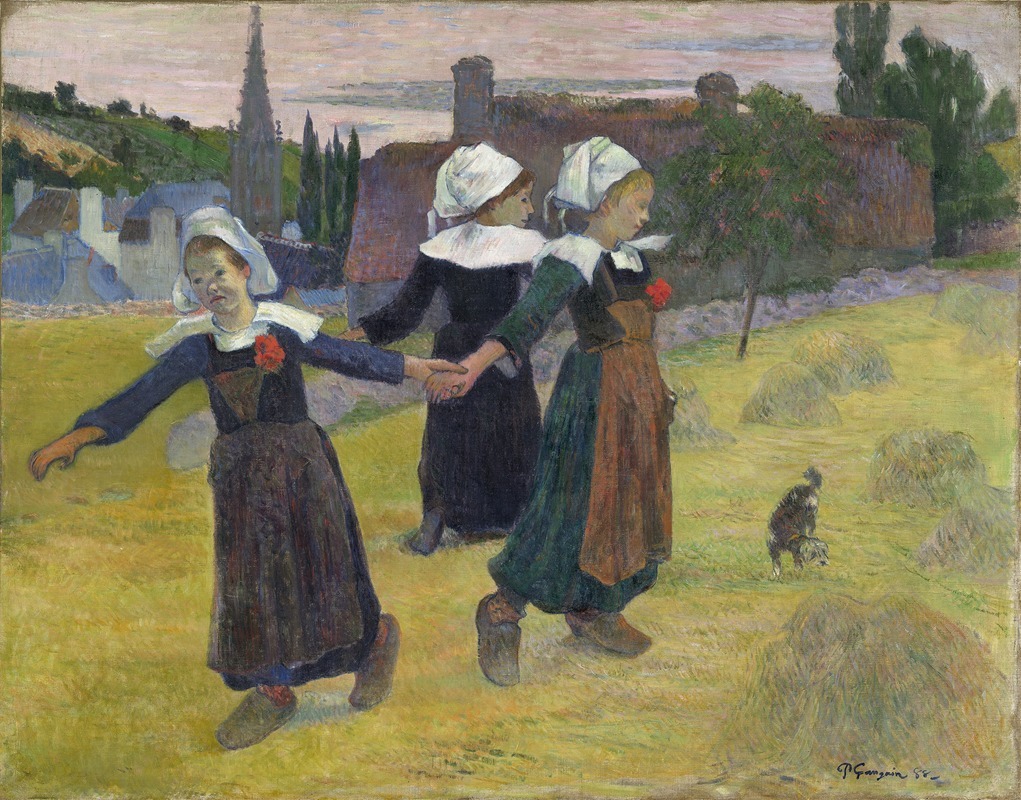
Breton Girls Dancing,Pont-Aven
Paul Gauguin
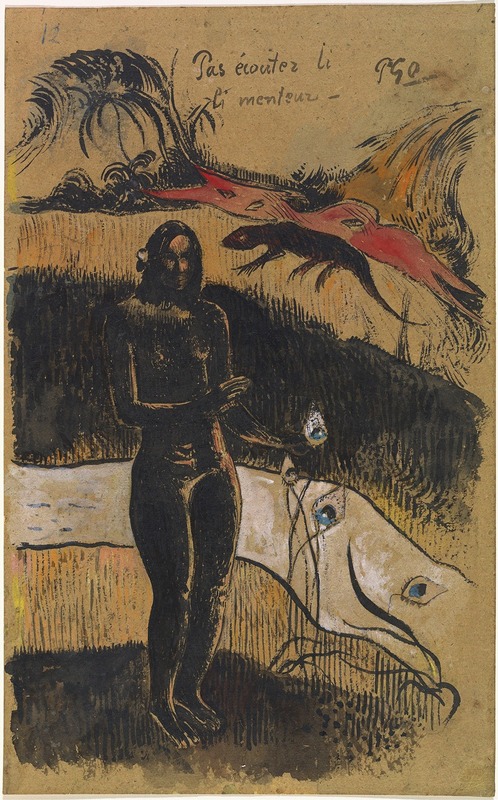
Nave Nave Fenua
Paul Gauguin
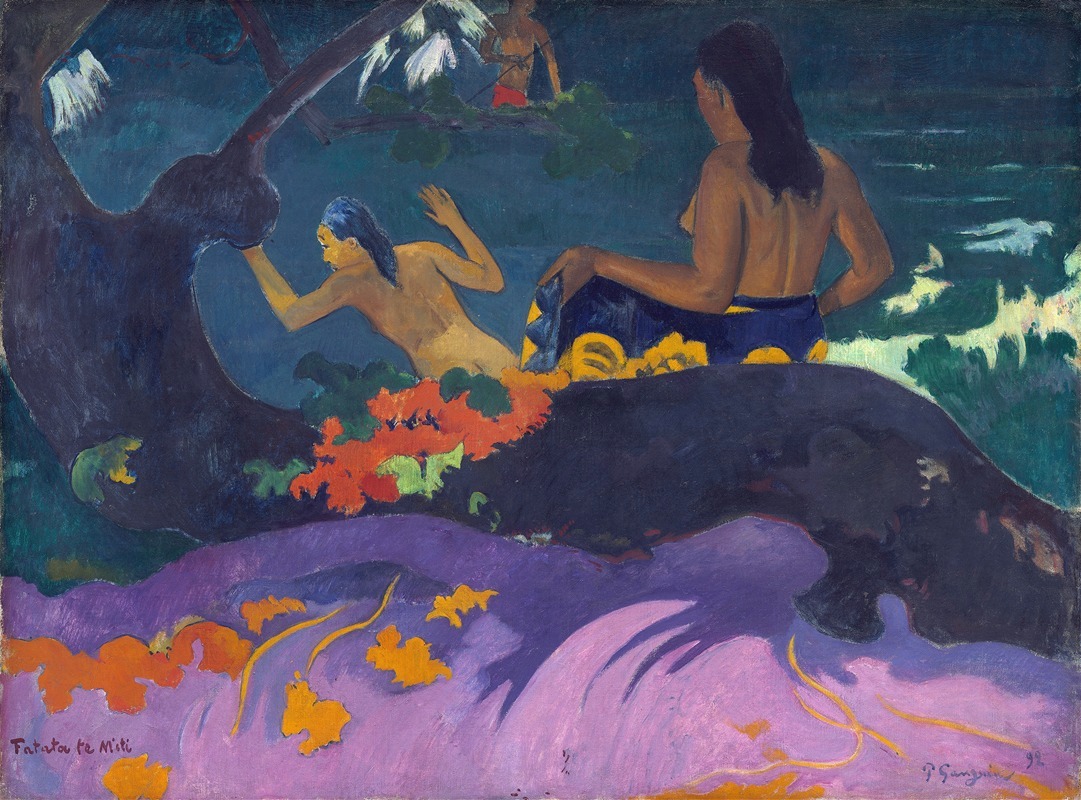
Fatata te Miti (By the Sea)
Paul Gauguin
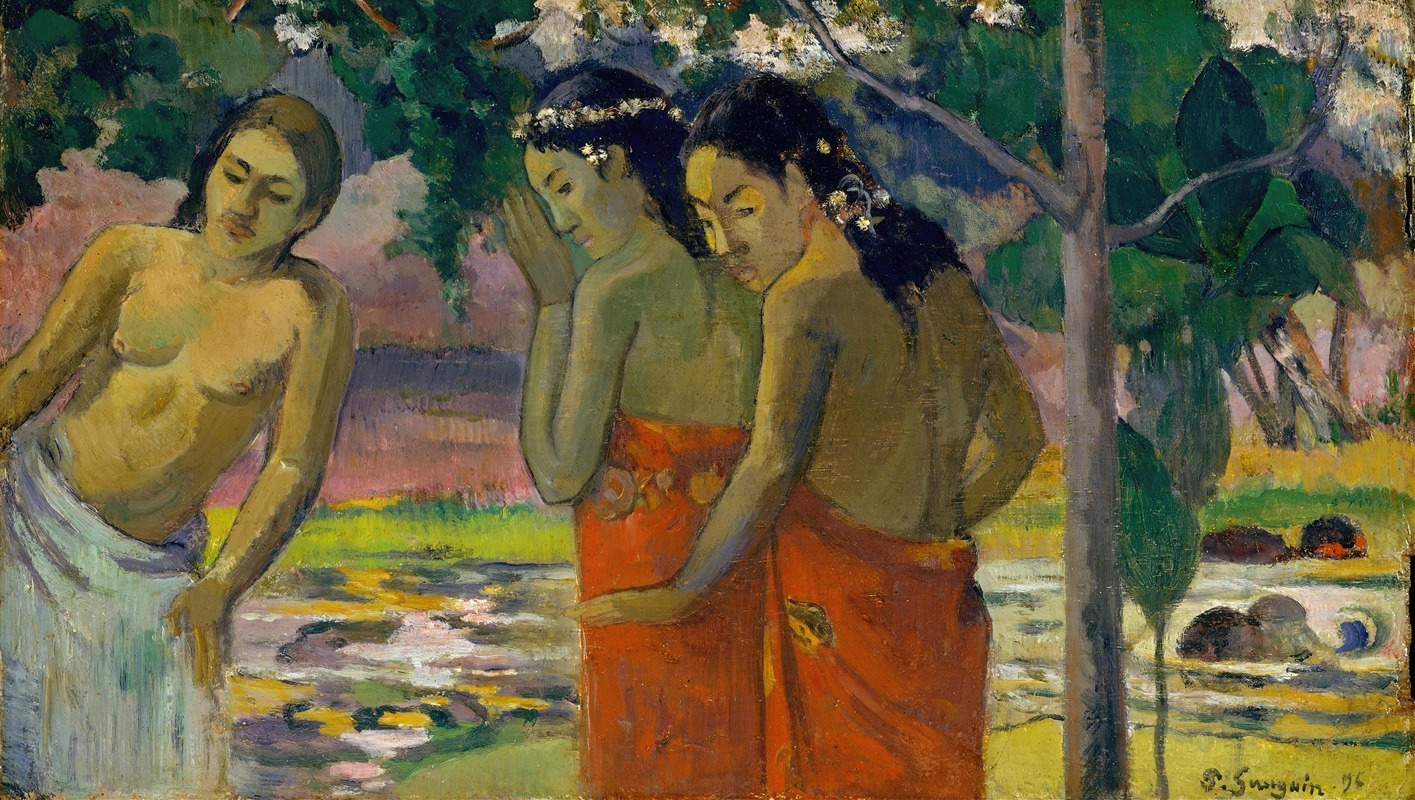
Three Tahitian Women
Paul Gauguin
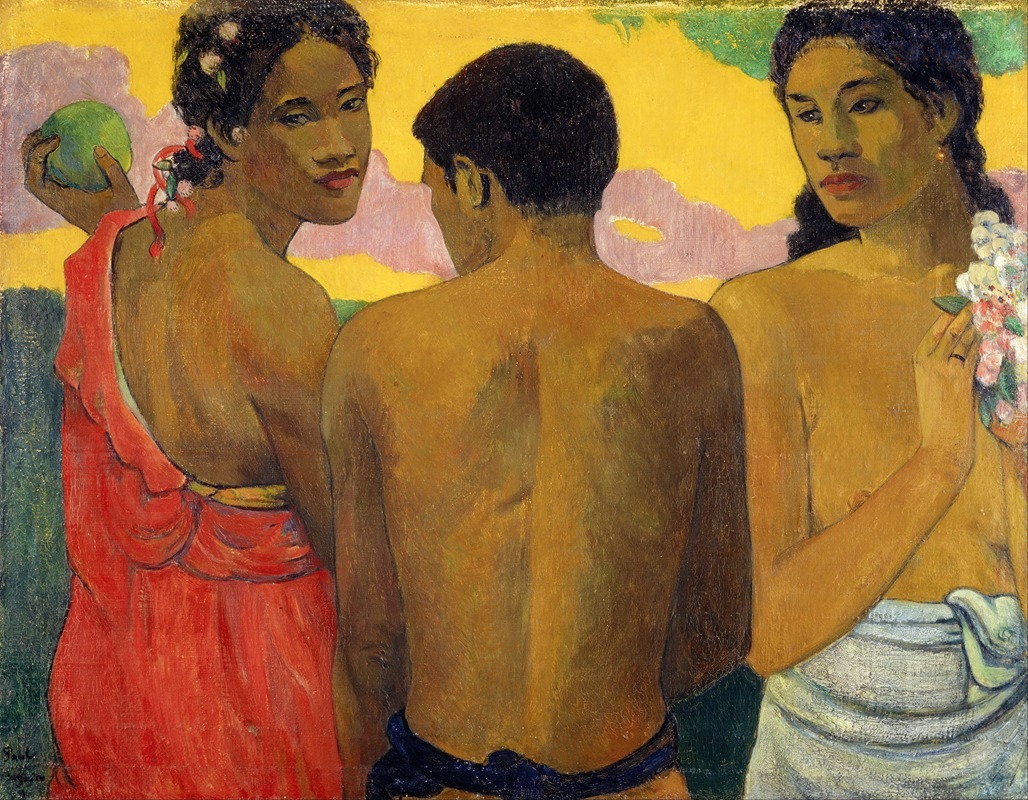
Three Tahitians
Paul Gauguin
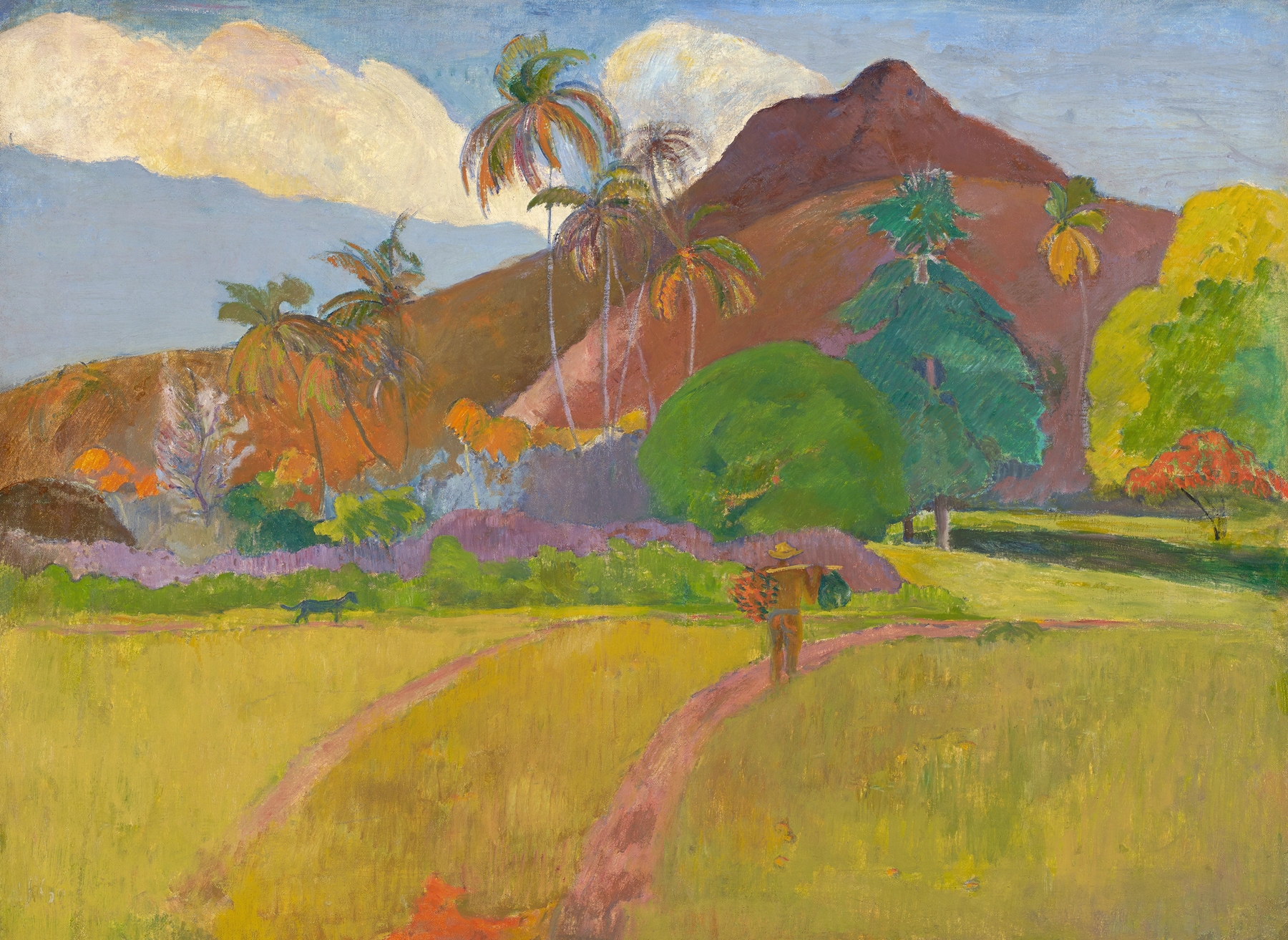
Tahitian Landscape
Paul Gauguin
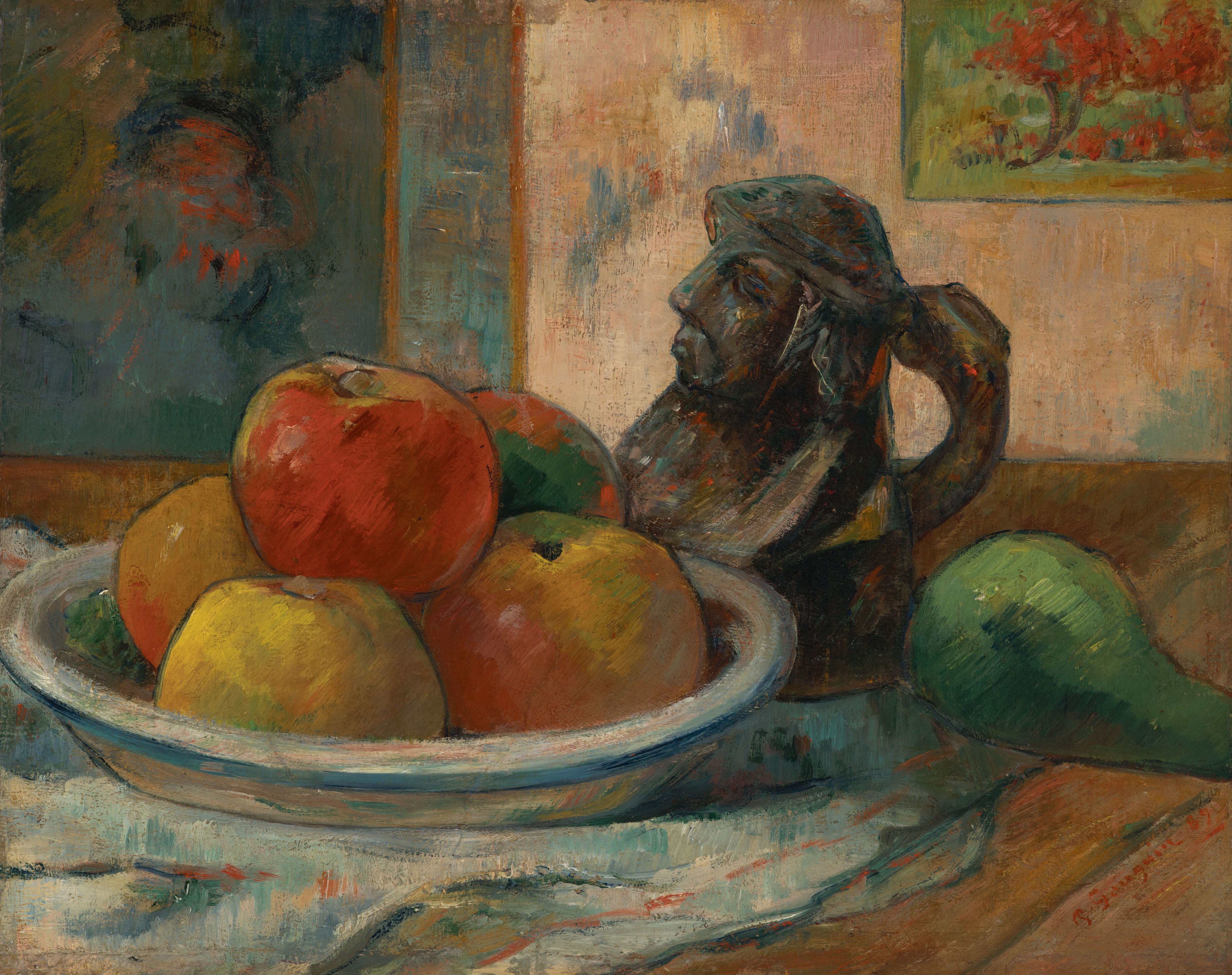
Still Life with Apples, a Pear, and a Ceramic Portrait Jug
Paul Gauguin
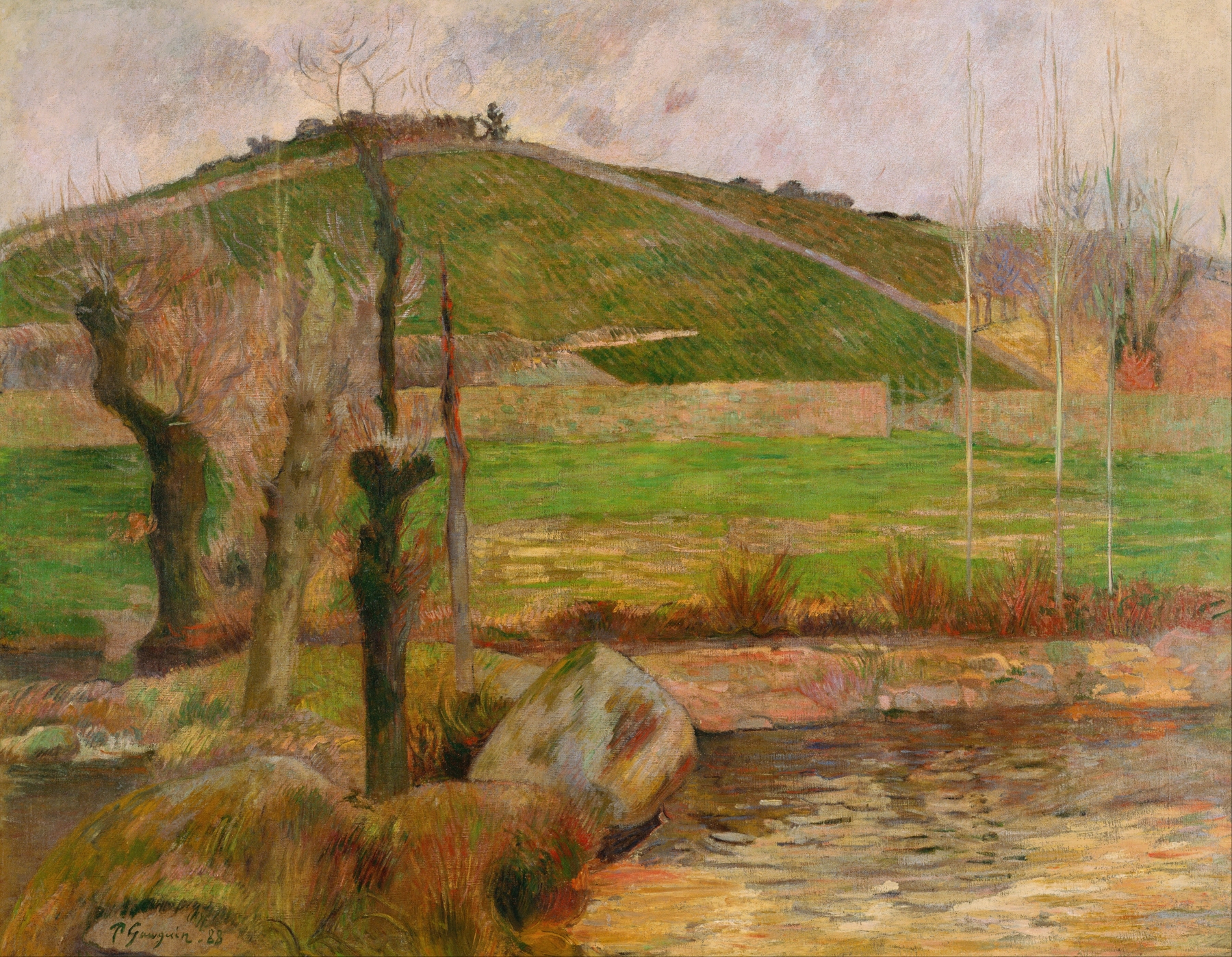
Landscape near Pont-Aven
Paul Gauguin

No te aha oe riri (Why Are You Angry?)
Paul Gauguin