Water Mill — History & Facts
Can paint confess what words never could? In Water Mill, the stillness of a bygone era resonates, capturing the melancholic essence of nature’s endurance against the passage of time. Look to the left at the gentle curve of the river, its waters a shimmering mirror reflecting the soft blues and greens of a cloudy sky. The mill stands as a silent sentinel, with its weathered wooden beams and fanning wheel, standing in stark contrast to the lively flora encircling it. Soft brushstrokes create a sense of movement in the foliage, while the muted palette imparts a sense of nostalgia, as though the scene is frozen in an everlasting twilight. In this artwork, contrasts abound—the calm of the water is compellingly juxtaposed with the ruggedness of the mill, suggesting the relentless march of time and nature's soft reclamation.
The delicate play of light adds an ethereal quality, evoking a sense of yearning for simpler days. One can almost hear the whispers of the past in the rustle of leaves and the gentle flow of water, underlining an emotional tension between nostalgia and the inevitability of change. Lucas van Uden likely painted Water Mill during the late 16th century, a period marked by increasing interest in landscape painting. At this time, artists began to focus more on the beauty of nature and the interplay of light and shadow.
This shift reflected a broader cultural movement towards realism and observation of the natural world, as van Uden sought to immortalize the quiet splendor of rural life.
More Artworks by Lucas van Uden
Browse all →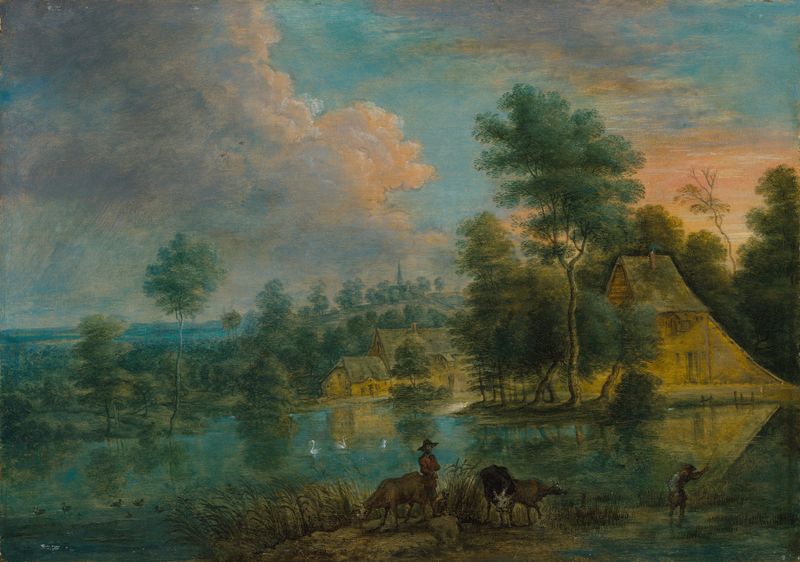
A river landscape with travellers
Lucas van Uden
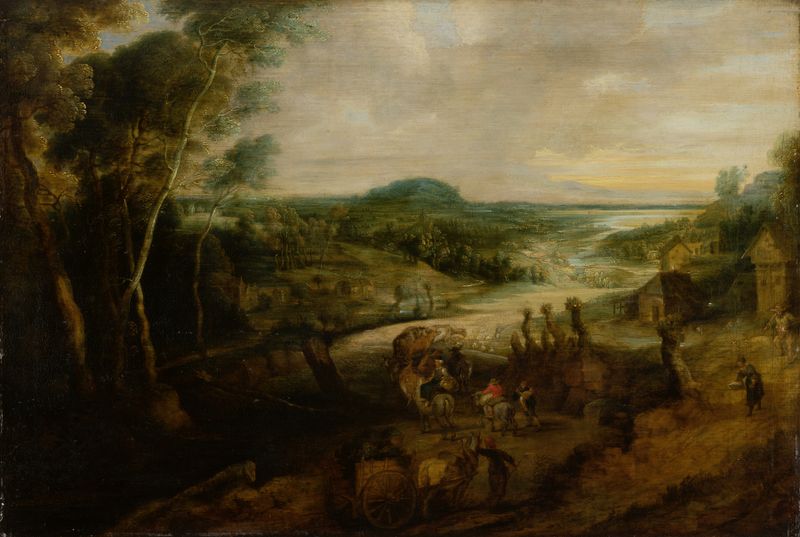
River Landscape with Peasants on the Way to Market
Lucas van Uden
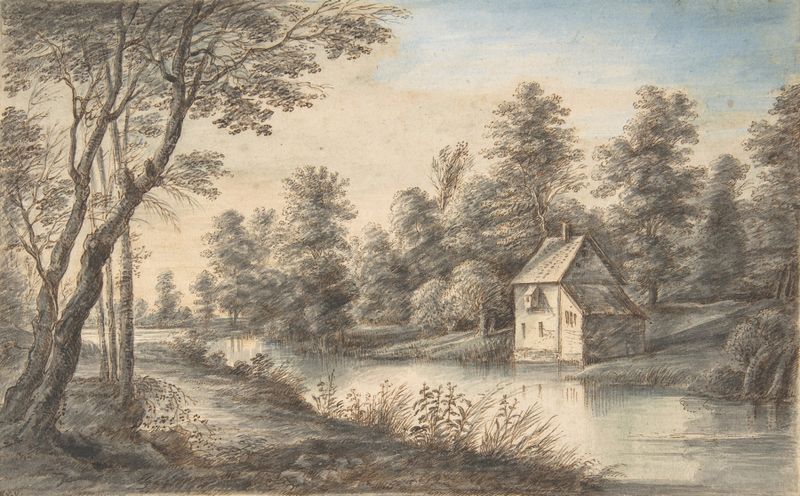
Wooded Landscape with a House beside a River
Lucas van Uden
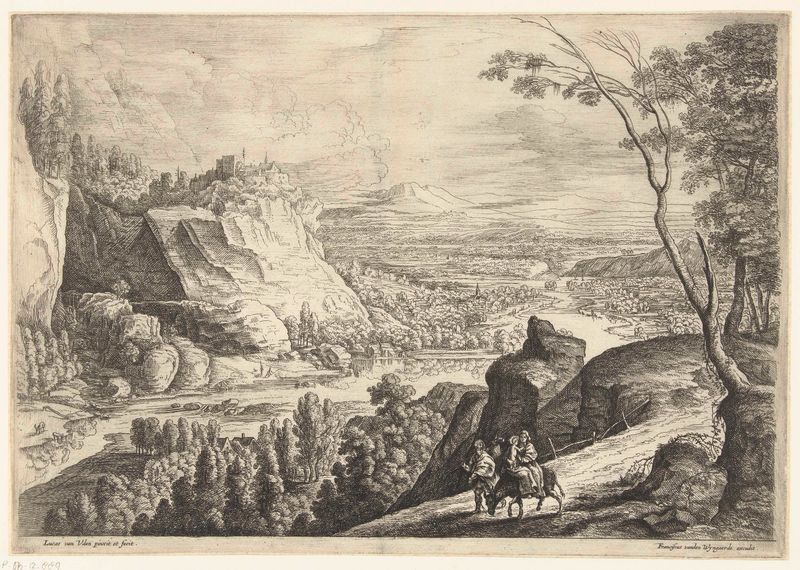
Landschap met de vlucht naar Egypte
Lucas van Uden
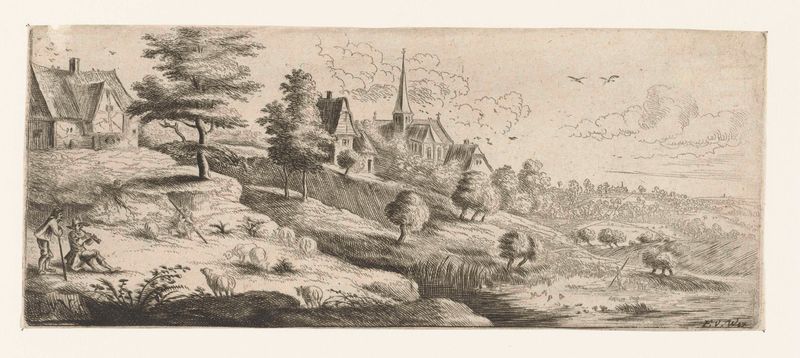
Landschap met een dorp en een schalmei spelende man
Lucas van Uden
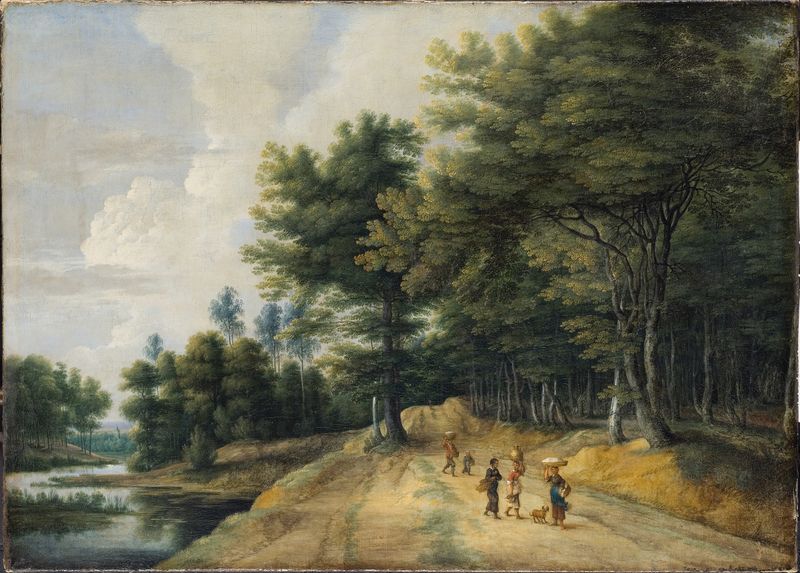
Landscape with a Road through a Wood of Beeches
Lucas van Uden
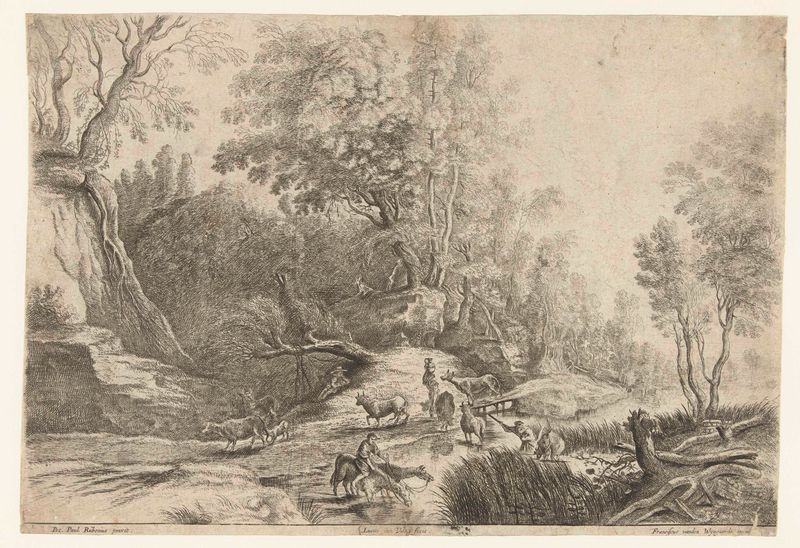
Paarden en koeien bij een drinkplaats
Lucas van Uden
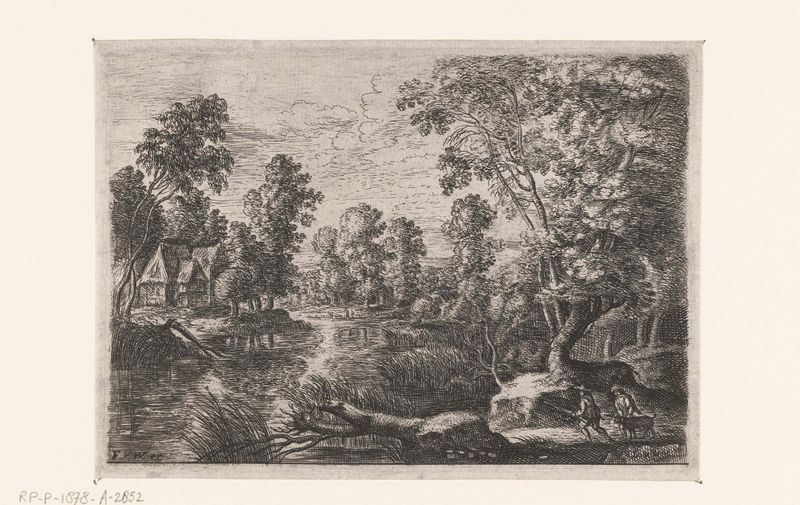
Landschap met een beek en een jager
Lucas van Uden
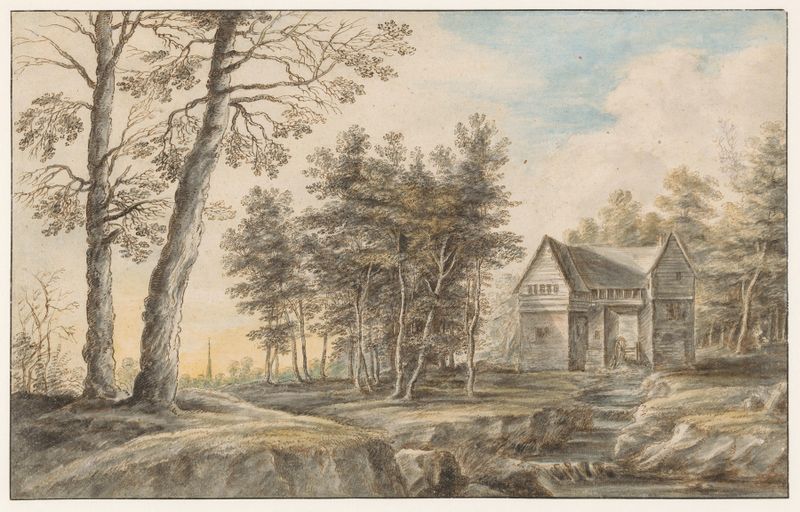
Landschap met een watermolen
Lucas van Uden
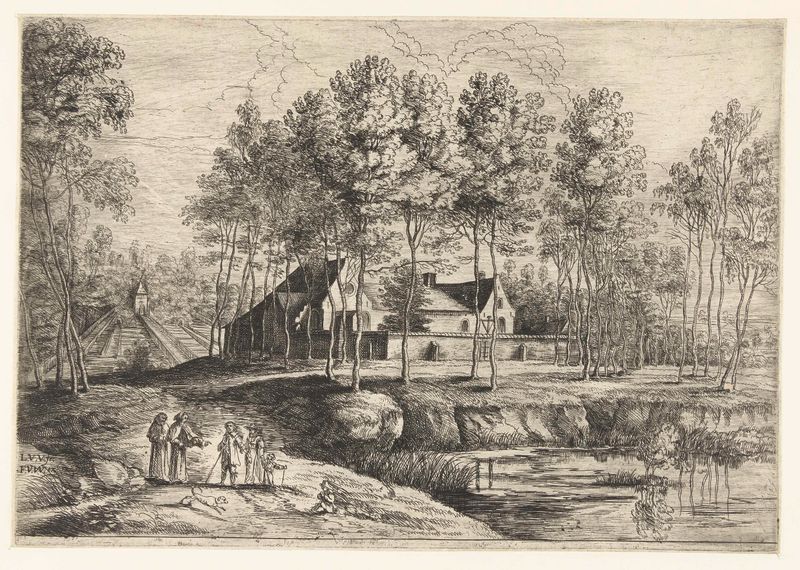
Gezicht op het kapucijnenklooster te Tervuren
Lucas van Uden