
Waterfall in the Avers Valley — History & Facts
Can beauty exist without sorrow? In Ernst Schiess’s Waterfall in the Avers Valley, the answer ripples through every cascade and stone, inviting contemplation on the passage of time and the fleeting nature of tranquility. Look to the left at the waterfall, where shimmering threads of white plunge downward, the momentum captured in a fluid dance. Notice how the artist employs a delicate palette of greens and blues to create a harmonious backdrop, highlighting the stark contrast between the tumultuous water and the tranquil landscape. The interplay of light filtering through the trees casts dynamic shadows that add depth and intrigue, as if the scene breathes with a life of its own. Here, the juxtaposition of the serene valley and the powerful waterfall offers a meditation on the duality of existence.
The rushing water symbolizes the relentless march of time, while the surrounding foliage represents the stillness of nature, inviting viewers to ponder their own experiences of beauty intertwined with struggle. Each rock, each droplet, holds a story of endurance, echoing the universal truth that joy and sorrow often coexist. Schiess painted this piece in 1867 during a period of significant transformation in art, as Romanticism began to give way to Impressionism. Working in Switzerland, he found inspiration in the natural world around him amidst an era that celebrated landscapes as reflections of human emotion.
This moment was a pivotal time in his career, helping to define his commitment to capturing the raw beauty and complexity of nature through his brush.
More Artworks by Ernst Schiess
Browse all →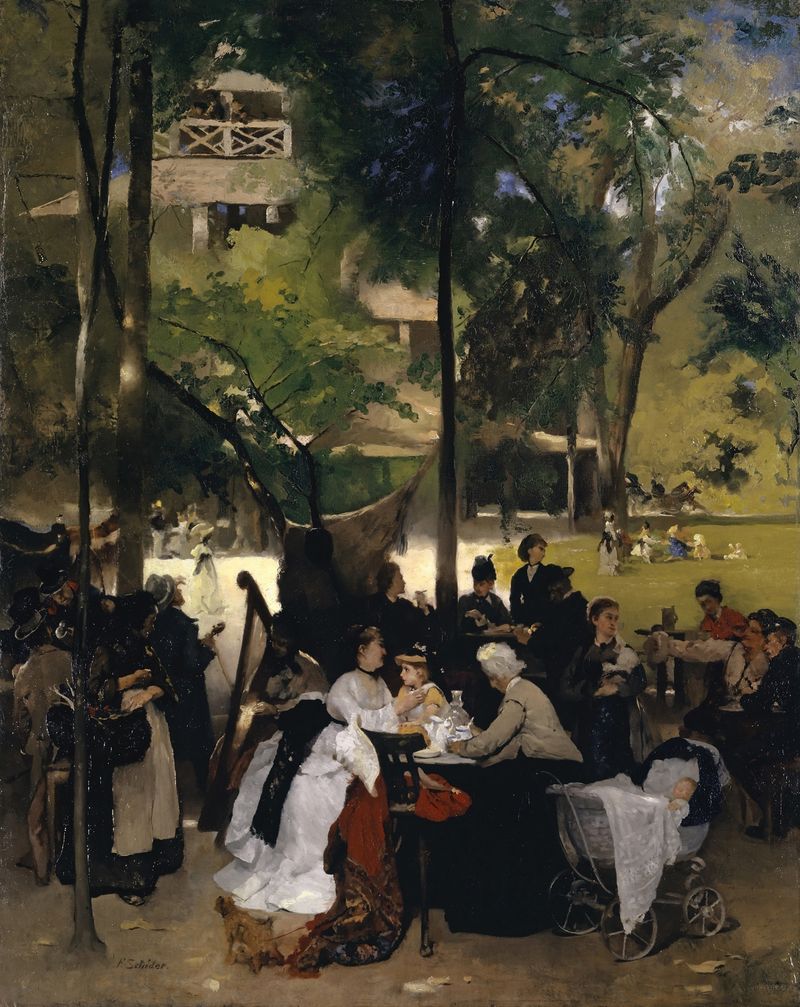
The Chinese Tower in the English Garden in Munich
Ernst Schiess

Evening Walk Above a Southern Lake
Ernst Schiess
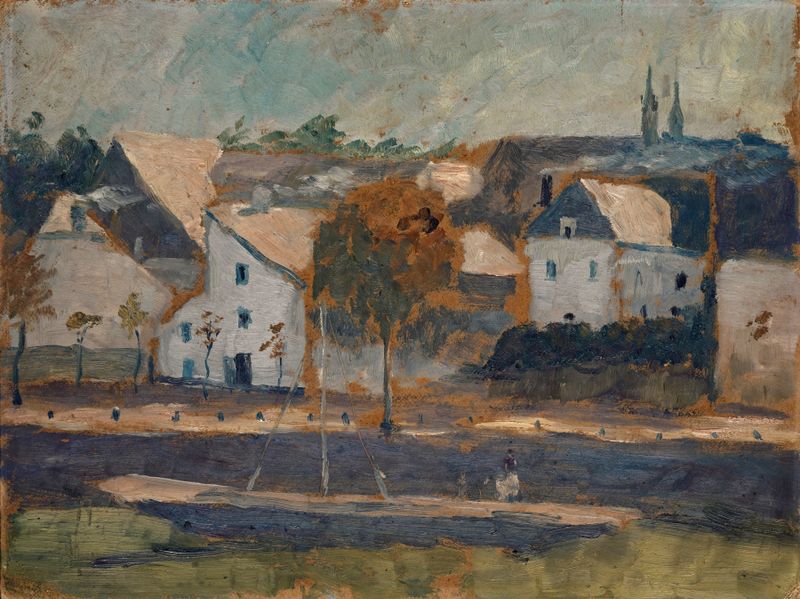
Kleine Stadt an Kanal
Ernst Schiess
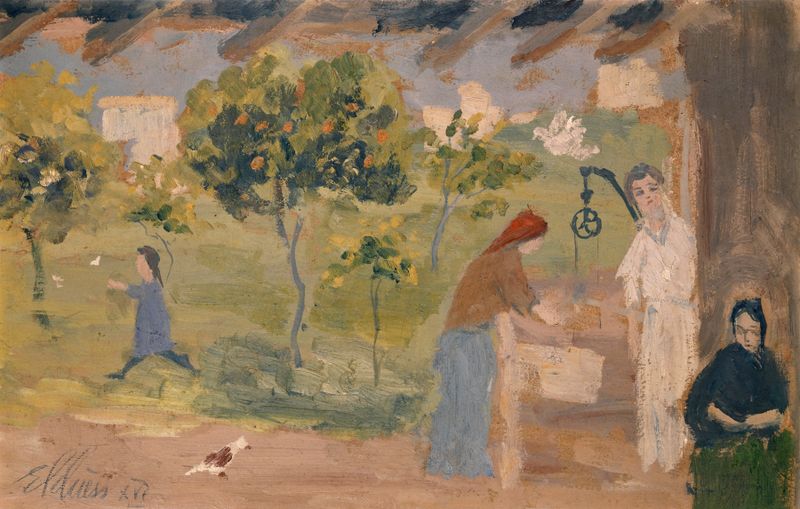
At the Fountain
Ernst Schiess

At the Harbour of Palma de Mallorca
Ernst Schiess
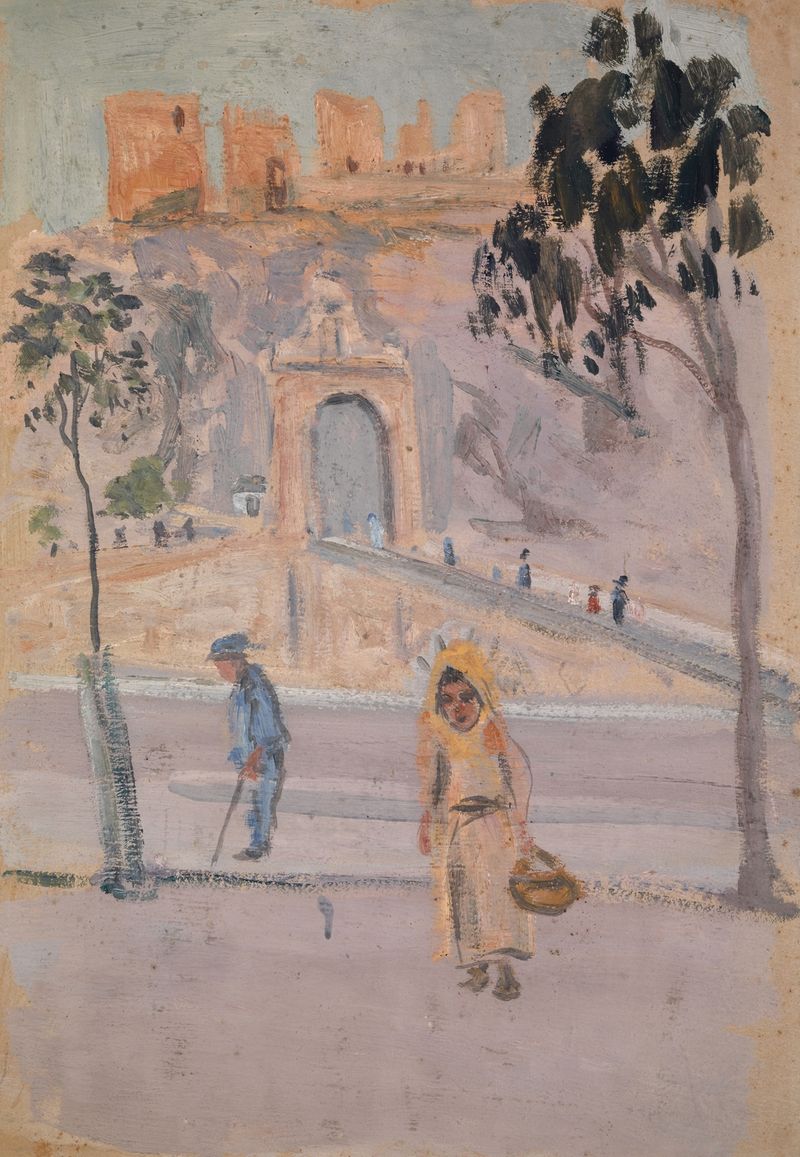
Alcantarabridge and Castillo de San Servando at Toledo
Ernst Schiess
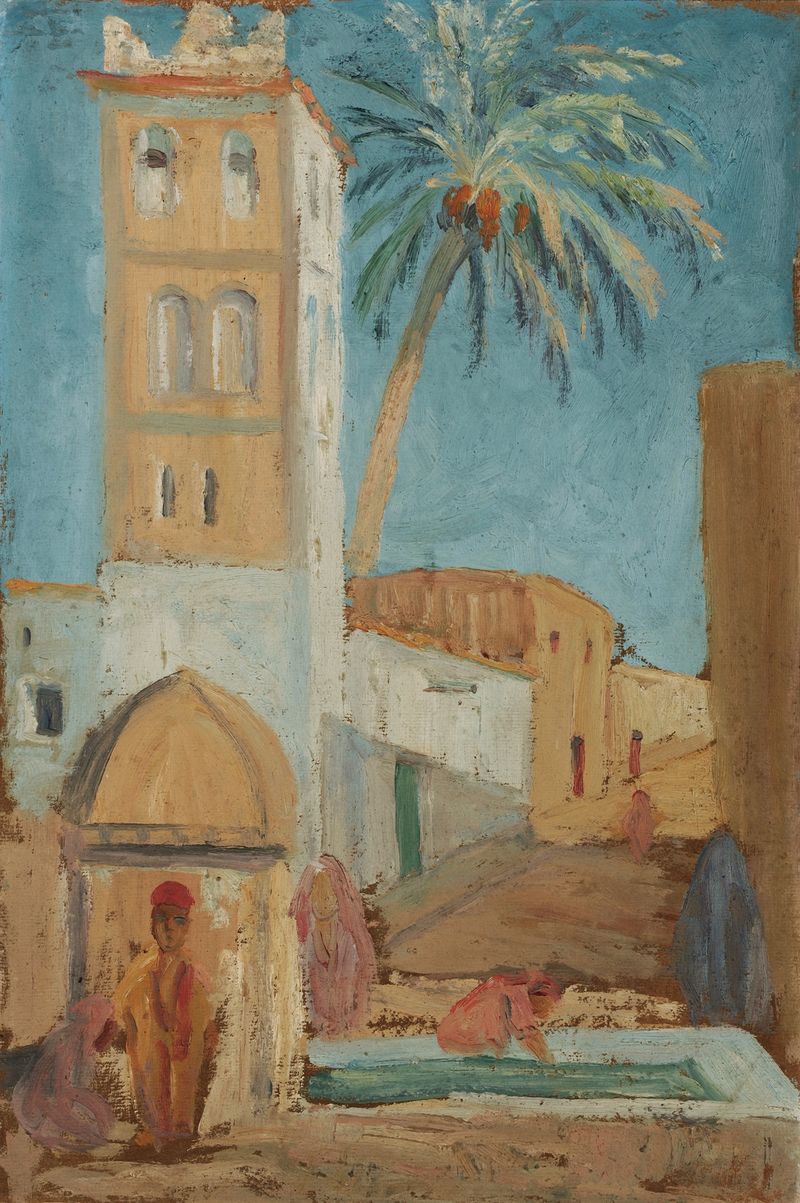
Scene at a Fountain in a Moroccan Place
Ernst Schiess
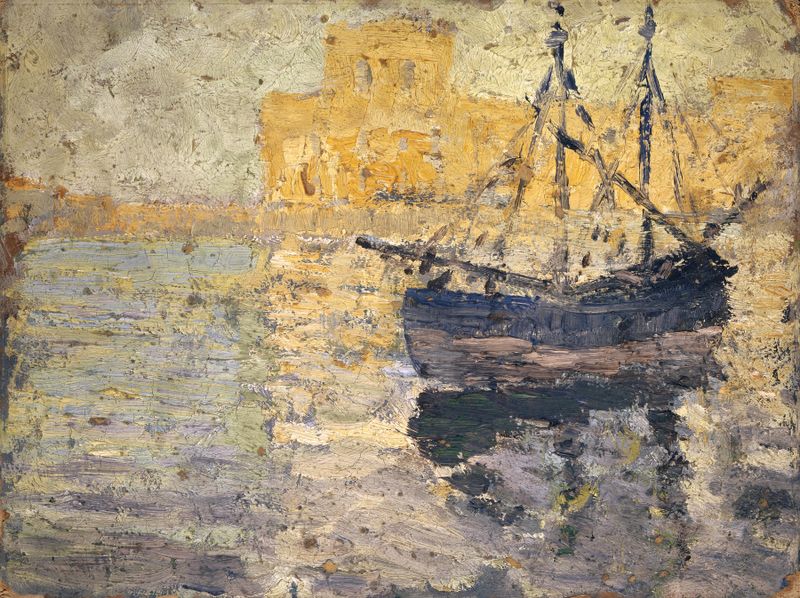
Harbour with Sailing Boat
Ernst Schiess
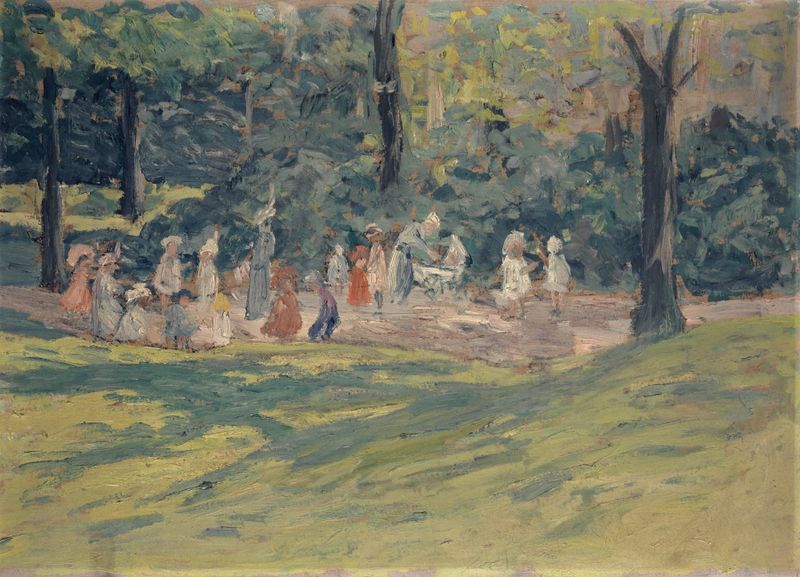
Children Playing in a Public Park
Ernst Schiess

Mohammedanischer Friedhof
Ernst Schiess





