
Waves — History & Facts
What if silence could speak through light? In the delicate dance between illusion and reality, the essence of nature is captured with haunting clarity. Look to the bottom left, where the crisp cerulean of the water meets the soft, frothy white of the waves, each brushstroke a whisper of movement. Notice how the light spills across the surface, creating shimmering reflections that suggest depth and invite the viewer to immerse themselves in the scene. The harmonious palette of blues and greens contrasts with the gentle warmth of the sunlight, illuminating the power and tranquility of the ocean.
Each wave is meticulously crafted, revealing Taizan's keen understanding of both form and fluidity. Delve deeper into the piece and you'll discover the interplay between chaos and calm—each cresting wave represents the tumultuousness of life, yet the overall composition evokes a serene, meditative quality. The way the horizon stretches into the distance serves as a metaphor for endless possibilities, while the light captures fleeting moments of beauty. This painting not only depicts the ocean's surface but also invites contemplation on the nature of perception itself, urging the viewer to consider what lies beneath. In 1867, Hine Taizan was painting this work amid a transformative period in Japan.
The Meiji Restoration was just beginning, reshaping the artistic landscape as traditional techniques met Western influences. Taizan's focus on natural beauty reflected both personal introspection and a broader cultural shift, as he navigated the complexities of a rapidly changing world.
More Artworks by Hine Taizan
Browse all →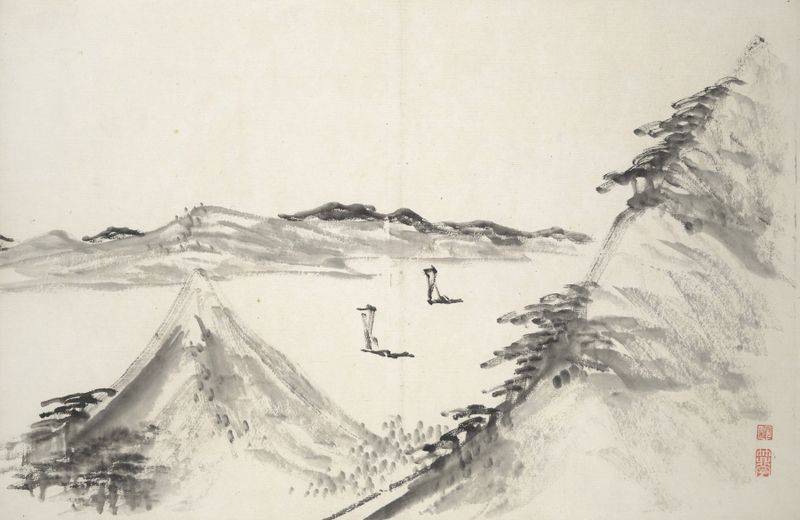
Album of Fifteen Ink Paintings Pl.15
Hine Taizan

Album of Fifteen Ink Paintings Pl.06
Hine Taizan
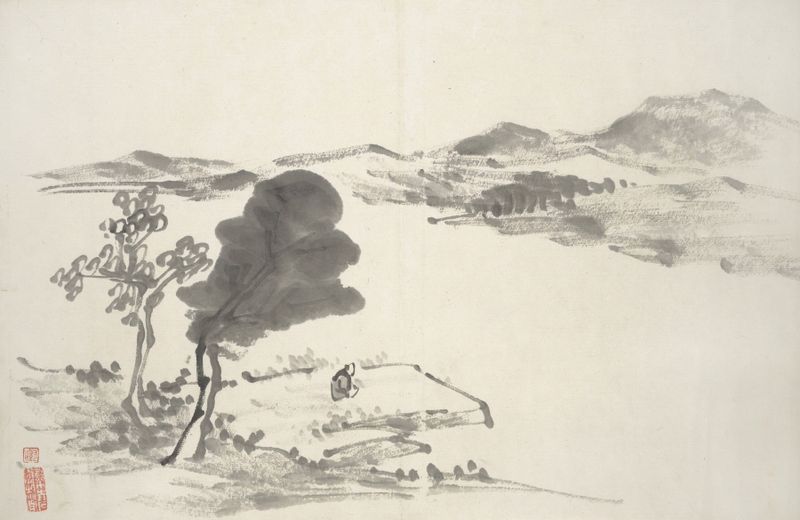
Album of Fifteen Ink Paintings Pl.01
Hine Taizan
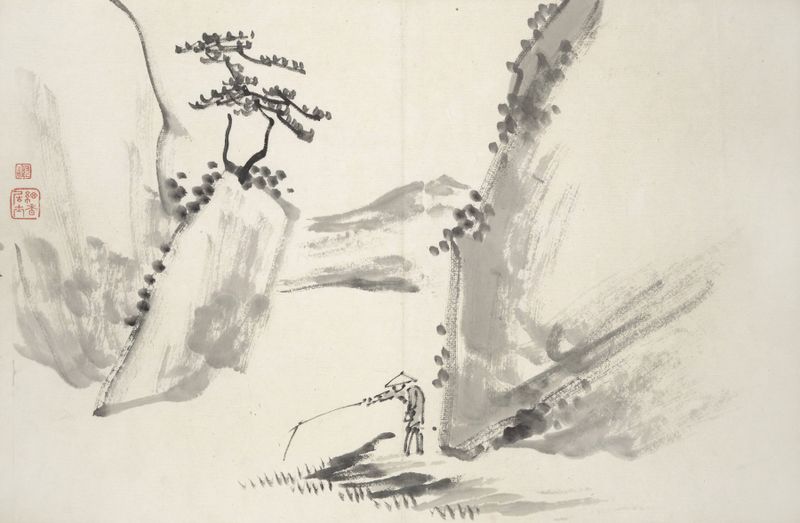
Album of Fifteen Ink Paintings Pl.09
Hine Taizan
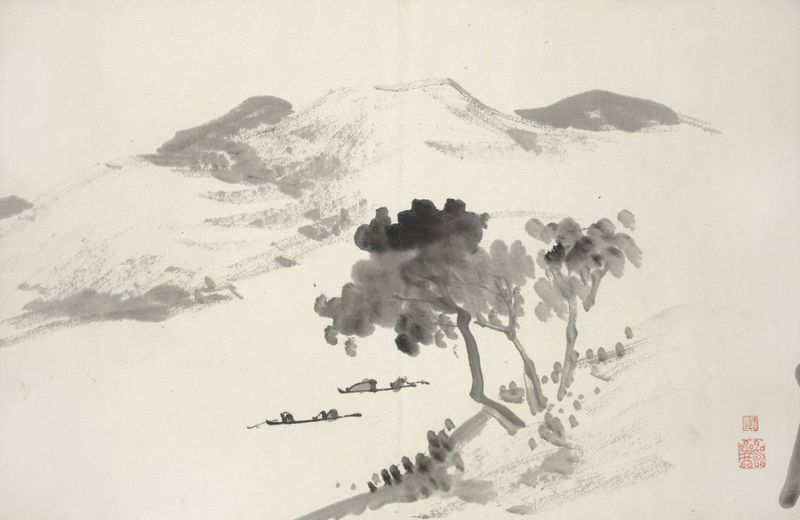
Album of Fifteen Ink Paintings Pl.07
Hine Taizan
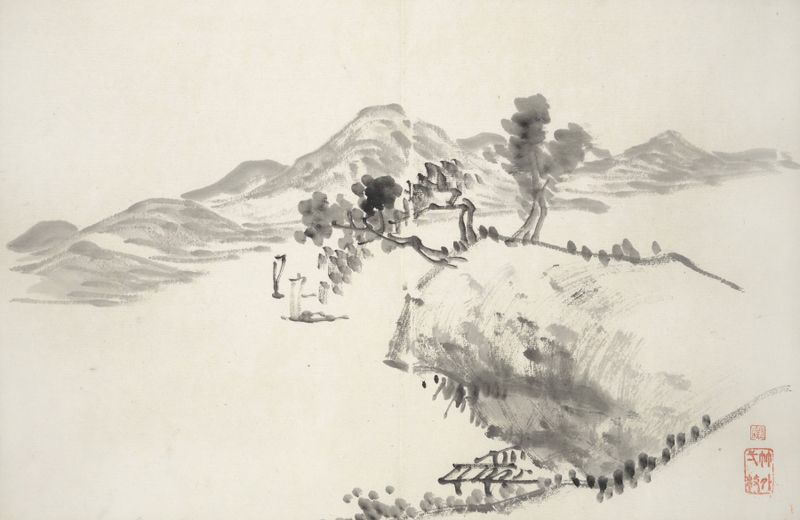
Album of Fifteen Ink Paintings Pl.13
Hine Taizan
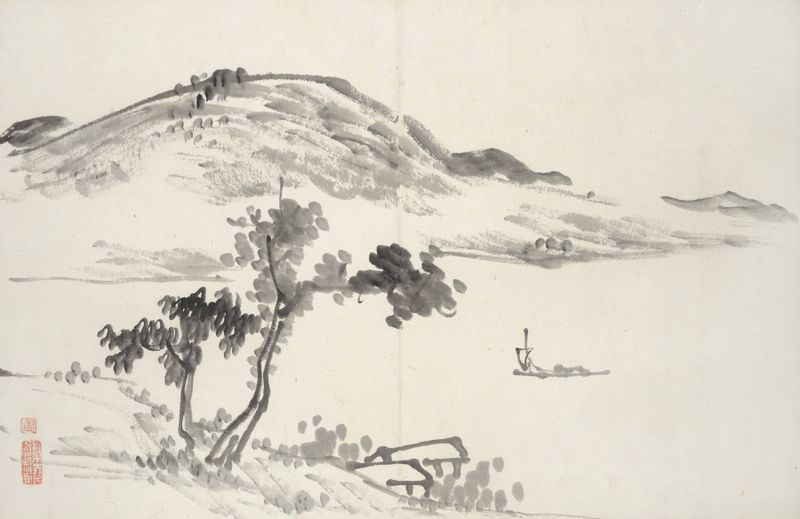
Album of Fifteen Ink Paintings Pl.05
Hine Taizan
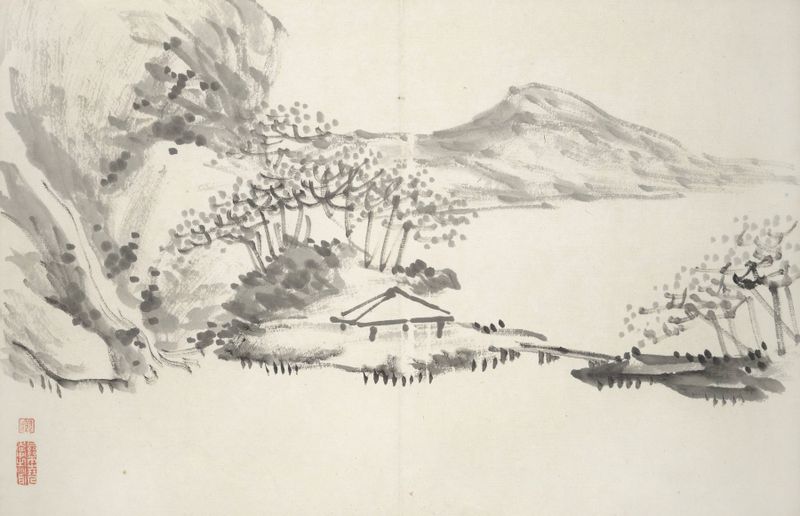
Album of Fifteen Ink Paintings Pl.10
Hine Taizan
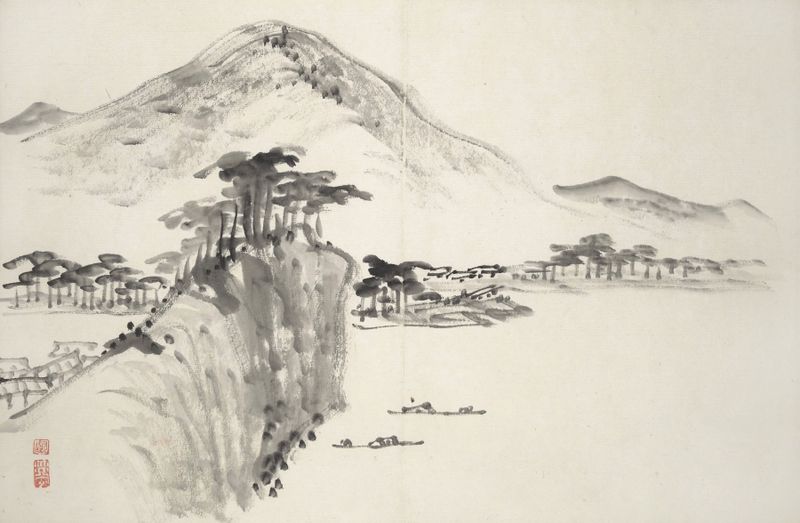
Album of Fifteen Ink Paintings Pl.14
Hine Taizan
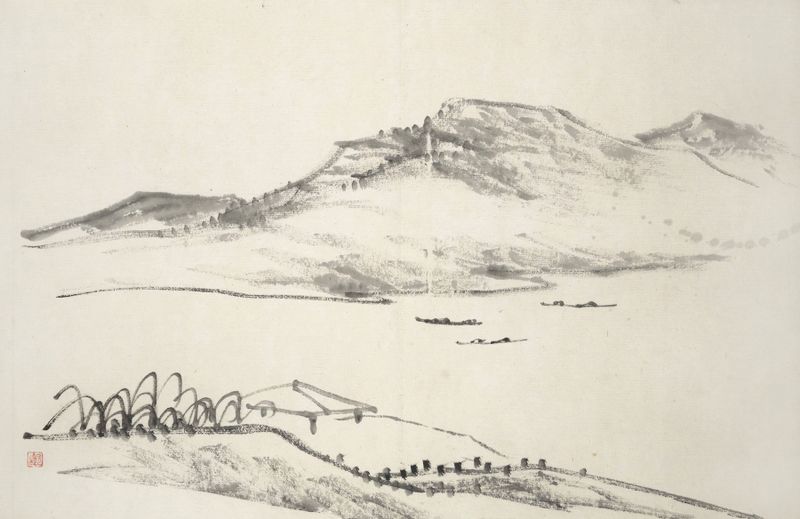
Album of Fifteen Ink Paintings Pl.12
Hine Taizan





