
Weggis et le Righi — History & Facts
When did color learn to lie? In Weggis et le Righi, the canvas vibrates with hues that pulse and shimmer, inviting the viewer into an ecstatic embrace of nature and memory. Look to the left at the luminous blue that washes over the water, mirroring the sky. This gradient captures the fleeting essence of twilight, beckoning the eye to explore the interplay of light and shadow across the distant mountains. The gentle brushstrokes create an ethereal quality, blurring the lines between reality and the dreamlike world of the artist’s imagination.
Each stroke drips with emotion, suggesting not just a landscape, but a fleeting moment suspended in time. Beneath the surface, the painting resonates with deeper tensions—the clash of serenity and turmoil. The chaotic brushwork in the foreground hints at the artist's inner chaos, contrasting with the serene composition of the distant Righi. This duality acts as a mirror to human experience, blending ecstasy with melancholy.
Furthermore, the choice of colors, vivid yet soft, speaks to the idea that beauty can often be a veil over deeper emotional currents. During the time Weggis et le Righi was created, Jean Jacottet was shaping his artistic voice amid the evolving landscape of modern art. With roots in the late 19th century, he navigated a world torn between traditional representation and the burgeoning movement toward abstraction. This period was marked by an increasing fascination with the emotive potential of color—an exploration that Jacottet embraced, allowing him to articulate his unique vision on canvas.
More Artworks by Jean Jacottet
Browse all →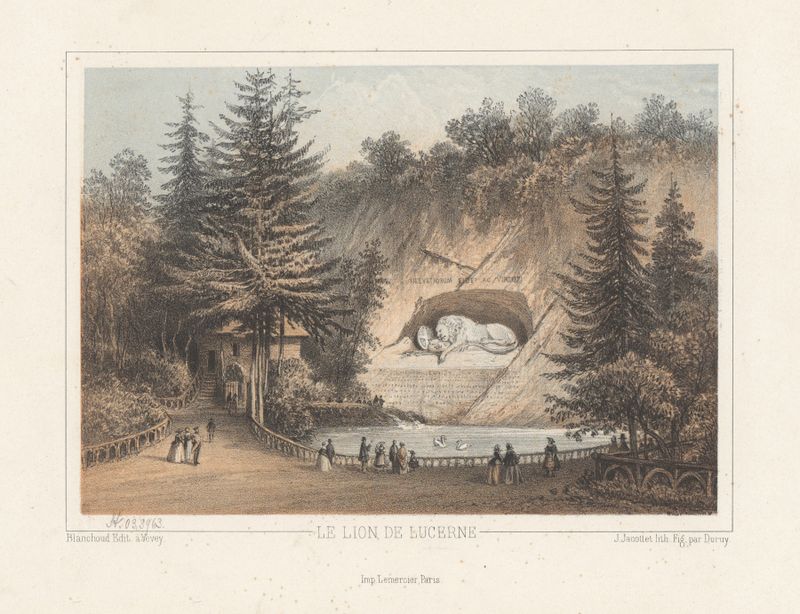
Le lion de Lucerne
Jean Jacottet
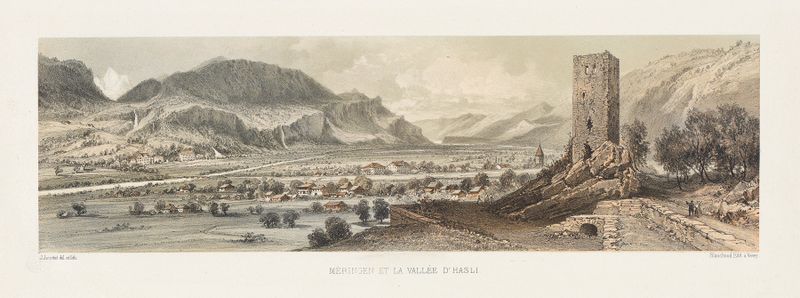
Méringen et la vallée d’Hasli
Jean Jacottet
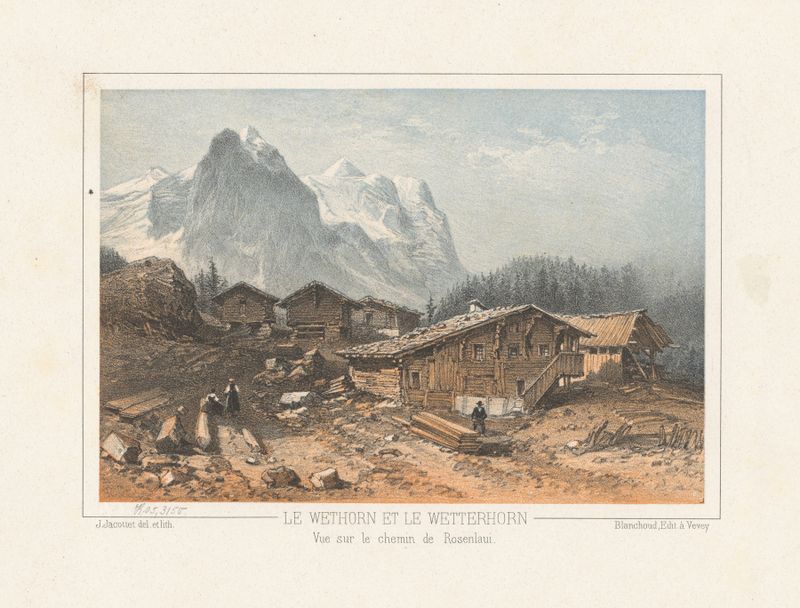
Le Wethorn et le Wetterhorn Vue sur le chemin de Rosenlaui
Jean Jacottet
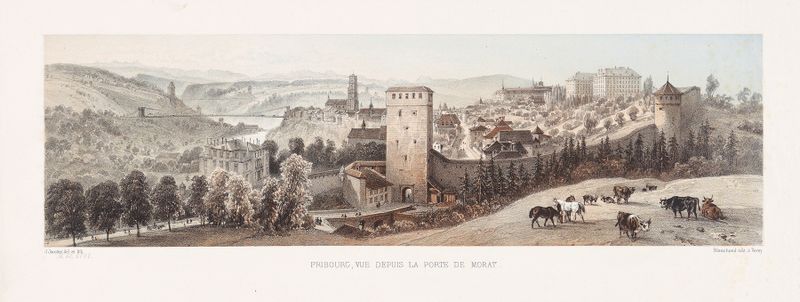
Fribourg, vue depuis la porte de Morat
Jean Jacottet
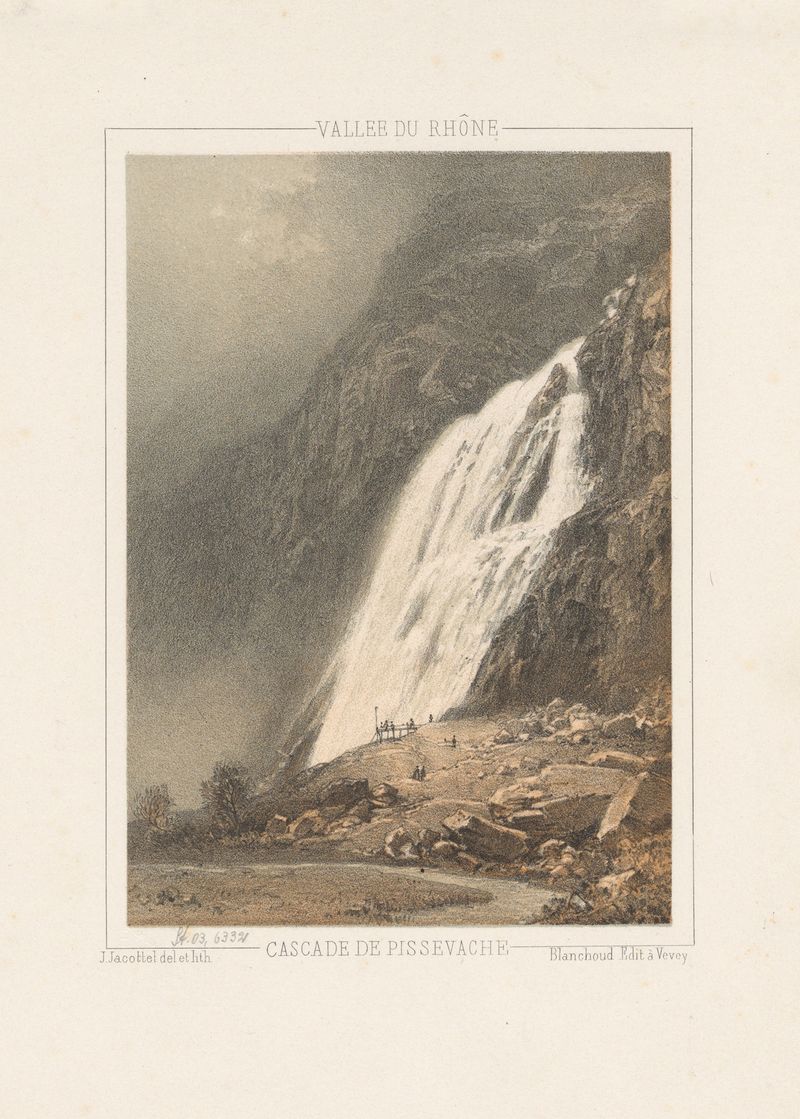
Cascade de Pissevache
Jean Jacottet
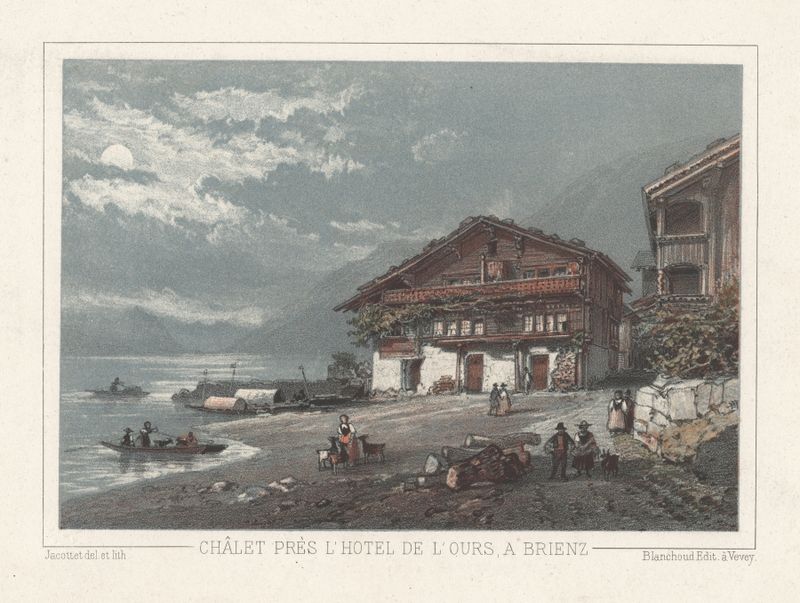
Châlet près l’Hotel de l’Ours, a Brienz
Jean Jacottet
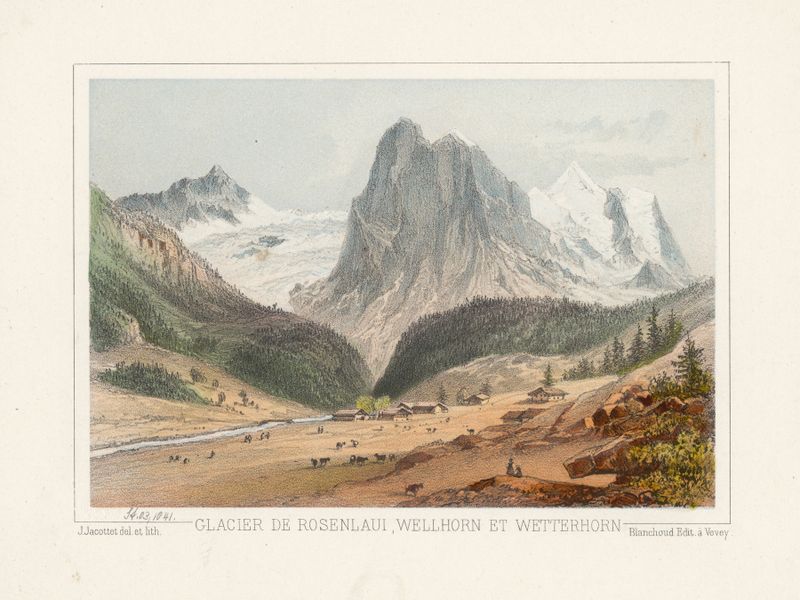
Glacier de Rosenlaui, Wellhorn et Wetterhorn
Jean Jacottet
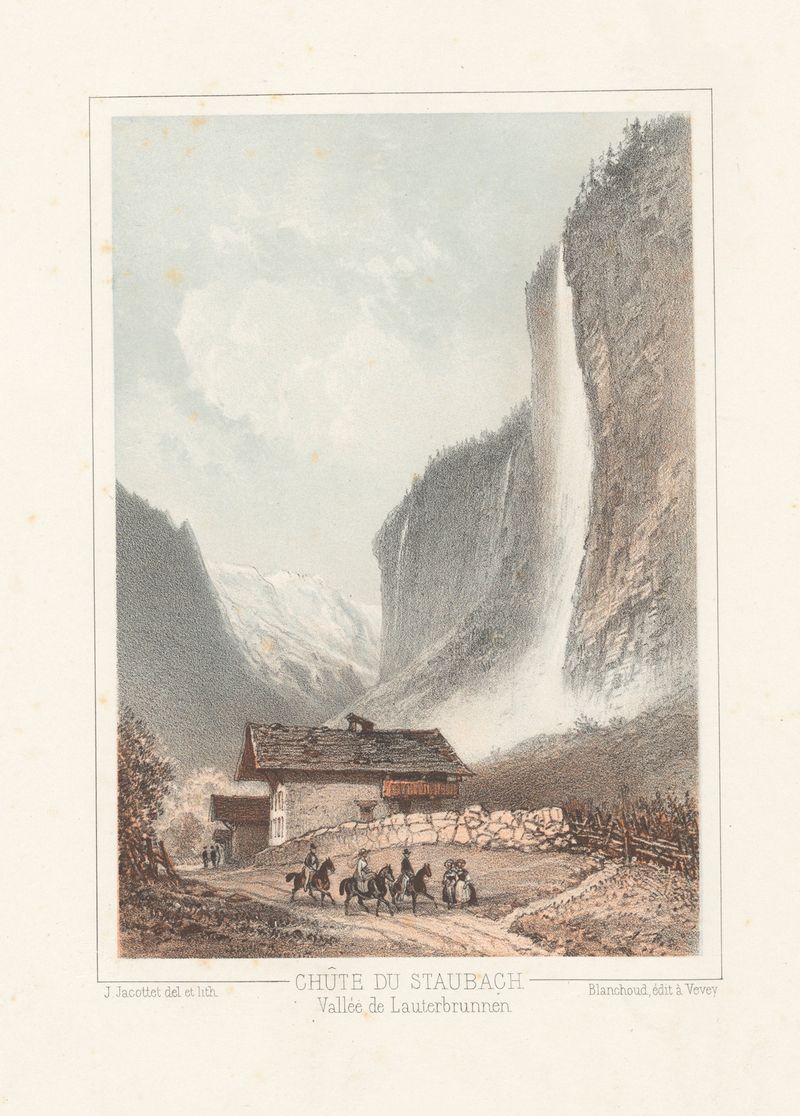
Chûte du Staubach Vallée de Lauterbrunnen
Jean Jacottet
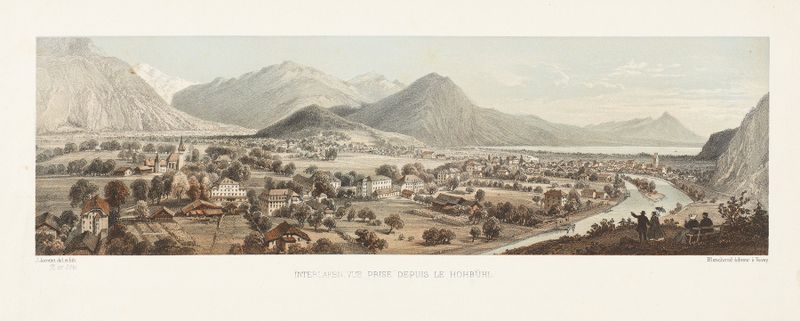
Interlaken, vue prise depuis le Hohbühl
Jean Jacottet
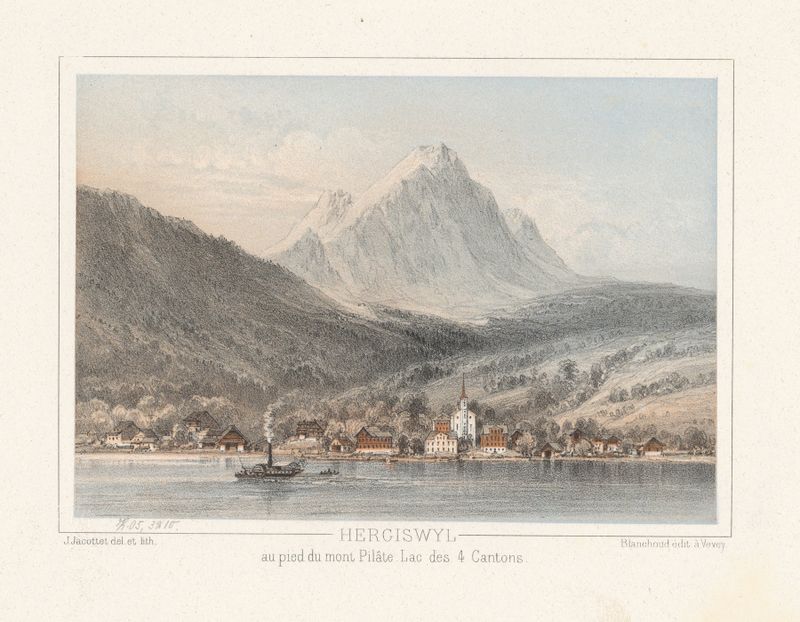
Hergiswyl au pied du mont Pilâte. Lac des 4 Cantons
Jean Jacottet





