Weide — History & Facts
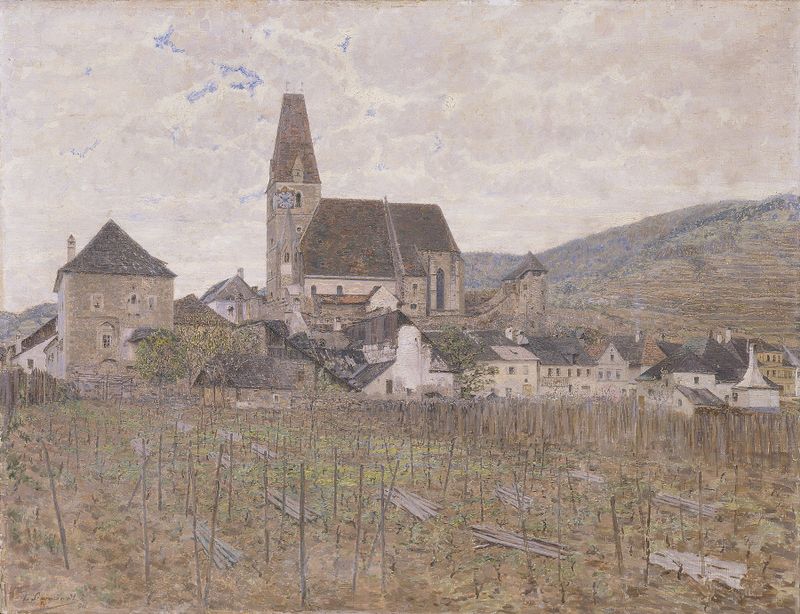
When did color learn to lie? In a world where hues often mask deeper truths, grief quietly seeps through the vibrant shades, revealing the raw wounds beneath. Look to the center of the canvas, where an explosion of greens and browns evokes both life and decay. The artist's brushwork is fluid, creating a landscape that breathes yet mourns. Notice how the light dances across the surface, illuminating patches of wildflowers that seem almost too bright, too perfect, casting shadows that suggest an underlying sorrow.
The composition draws the eye outward, leading us through the tranquil yet disquieting scenery, inviting contemplation. As you explore further, subtle contrasts begin to emerge. The juxtaposition of vibrant blooms against the muted background resonates with a tension that speaks to loss and longing. The brushstrokes, though lively, exude a sense of nostalgia, hinting at memories that linger like whispers in the wind.
It's as if the landscape itself is in mourning, a reflection of the artist's inner emotional landscape intertwined with the physical one. Ludwig Sigmundt created Weide in 1904, during a period marked by personal struggles and the shifting tides of the art world. This time found him grappling with modernist influences while trying to maintain a connection to traditional themes of nature. As he painted, Europe was on the cusp of monumental changes, and the weight of grief, both personal and collective, found its way onto his canvas, encapsulating a moment of profound introspection.