Weite Landschaft mit Regenbogen — History & Facts
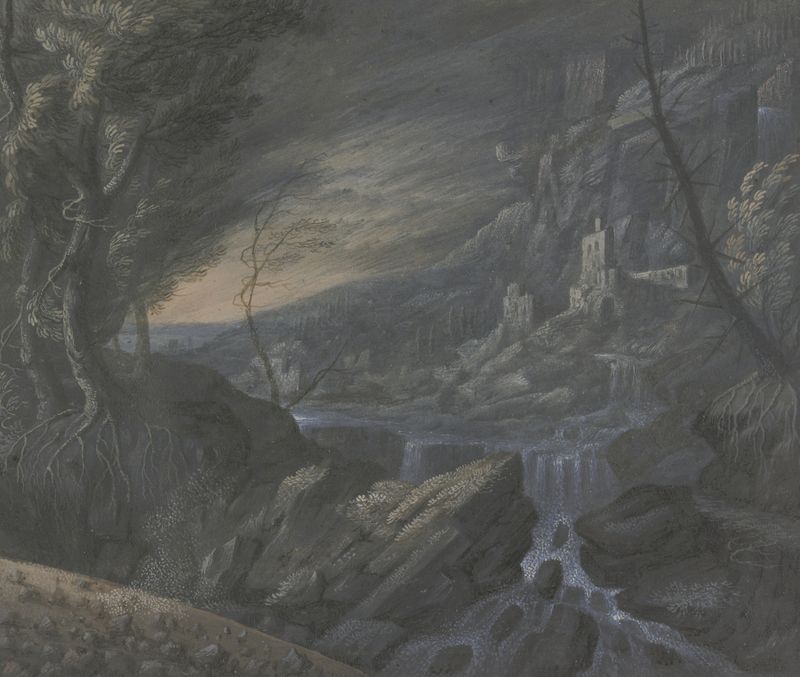
In the quiet expanse of Weite Landschaft mit Regenbogen, the promise of a vibrant rainbow arches over an otherwise muted landscape, hinting at complexities that lie beneath the surface—an invitation to explore the depths of trust and betrayal. Look to the left, where the dark, tumultuous clouds gather, thick with the weight of an impending storm. The contrasting vibrancy of the rainbow draws the eye to the center, serving as a bridge between light and dark. The lush greens of the fields below are painted with deliberate strokes, evoking both life and tension.
Gassner’s careful use of color invites contemplation, as the interplay between shadow and light captures an emotional duality, reflecting the inner turmoil often masked by beauty. Beneath the surface, the painting speaks to a deeper narrative of trust fractured by unseen forces. The rainbow, often a symbol of hope, contrasts sharply with the surrounding darkness, suggesting a fragile promise that teeters on the brink of disappointment. Additionally, the isolation of the landscape evokes feelings of solitude, as if the viewer stands witness to a moment of profound introspection.
The stillness of the scene belies an unspoken story, where every brushstroke is laden with the weight of anticipation and betrayal. In an undated yet pivotal moment of his career, Johann Nikolaus Gassner created this work during a time when Romanticism was beginning to flourish. While he was influenced by the emerging emphasis on emotional resonance in art, he also navigated personal challenges that shaped his artistic voice. The interplay of light and shadow in his landscapes reflects the complexities of his world, as vibrancy meets desolation in a profound dialogue.