Wiese am Dreimarkstein in Sievering — History & Facts
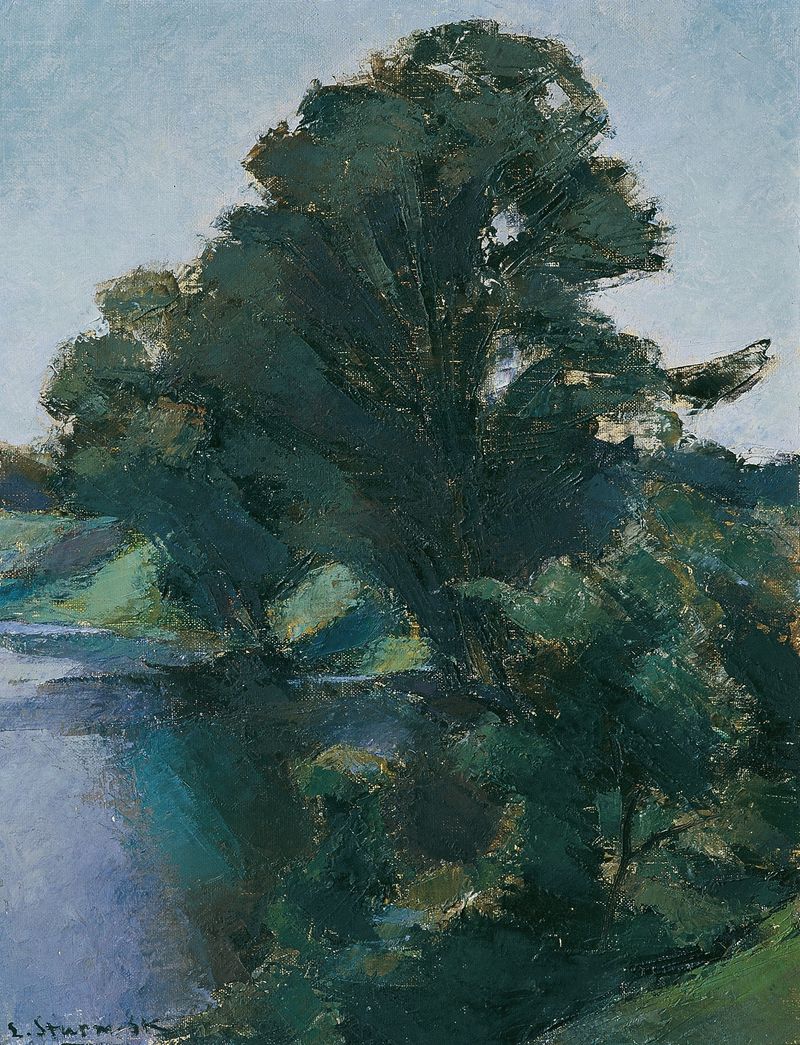
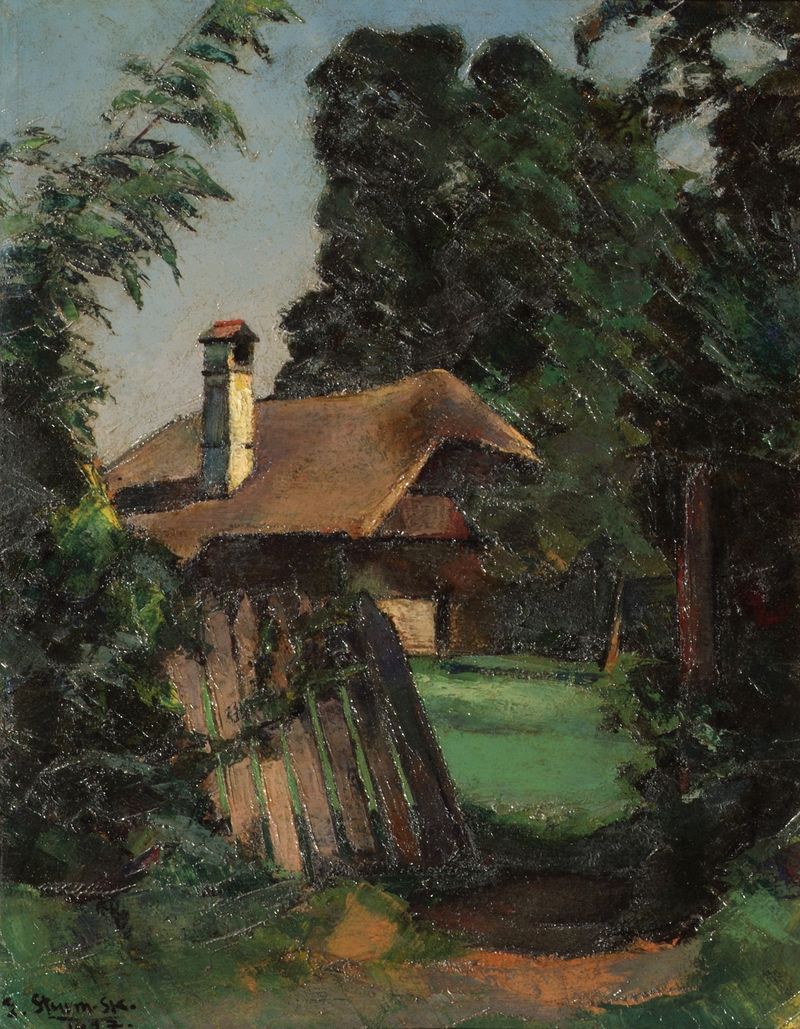
In a world where fragility often hides beneath layers of vibrancy, the truth lies within quiet hues and soft forms, patiently revealing the delicate beauty of existence. Look closely at the gentle undulations of the landscape. Focus on the subtle shifts in greens that sweep across the canvas, contrasting with the muted earth tones below. The brushstrokes are fluid yet restrained, capturing the softness of the grass while inviting you to lose yourself in the tranquil expanse.
Notice how the light dapples through the trees, casting tender shadows that suggest movement, as if the scene itself breathes. Beneath the surface beauty lies a poignant tension. The play of light and shadow hints at the impermanence of nature, evoking a sense of longing for moments that are fleeting. The serene landscape suggests a peaceful refuge, yet it carries a whisper of melancholy, reminding us of the fragility of our surroundings.
Every brushstroke conveys an emotional weight, revealing an artist deeply attuned to the subtle interplay of joy and sorrow inherent in the natural world. In 1919, Egge Sturm-Skrla painted this piece during a time of great upheaval following World War I, as Europe grappled with the aftermath of conflict and loss. Living in Austria, he became part of a movement that sought to reconnect with nature amidst the chaos, reflecting a shift towards introspection and emotive expression. This work stands as a testament to that era's desire for peace and tranquility, inviting viewers to pause and contemplate their own fragile connections to the world.