
Willows at waterside — History & Facts
Where does light end, and longing begin? It is a question that resonates deeply within the delicate brushstrokes of this evocative piece, inviting us to confront the very essence of our existence. In the interplay of nature and memory, the viewer is beckoned to discover the legacy that lingers in the shadows of time. Focus first on the tranquil waters, where a serene reflection captures the willows' gentle sway. The greens and blues merge seamlessly, suggesting a harmonious dialogue between the flora and its mirrored counterpart.
Notice the dappled sunlight filtering through the branches, creating a tapestry of light and shade that dances upon the surface. Each brushstroke reveals Kochanowski’s adeptness at conveying texture, infusing a sense of movement even in stillness. Beneath the surface of this pastoral scene lies a tension between fleeting beauty and the permanence of nature. The willows stand as silent witnesses to time's passage, their long, flowing branches embodying both grace and melancholy.
There is a deep sense of yearning, as if the painting holds onto the moment just before the light fades, capturing the delicate balance between presence and absence. This moment invites reflection on what we inherit and how we carry those memories forward. Painted between 1890 and 1900, the artist created this work during a time marked by a surge of interest in Impressionism and a shift towards capturing the ephemeral qualities of light and nature. Kochanowski was influenced by the landscape of his native Poland, a period in which artists often sought to define their cultural identity amid changing social and political landscapes.
His exploration of legacy through natural elements reveals an introspective approach that resonates in the broader context of his contemporaries.
More Artworks by Roman Kazimierz Kochanowski
Browse all →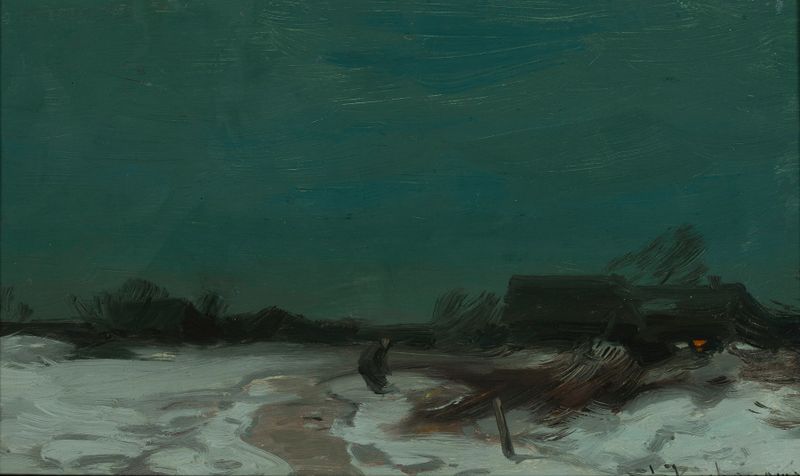
Winter landscape with cottages
Roman Kazimierz Kochanowski
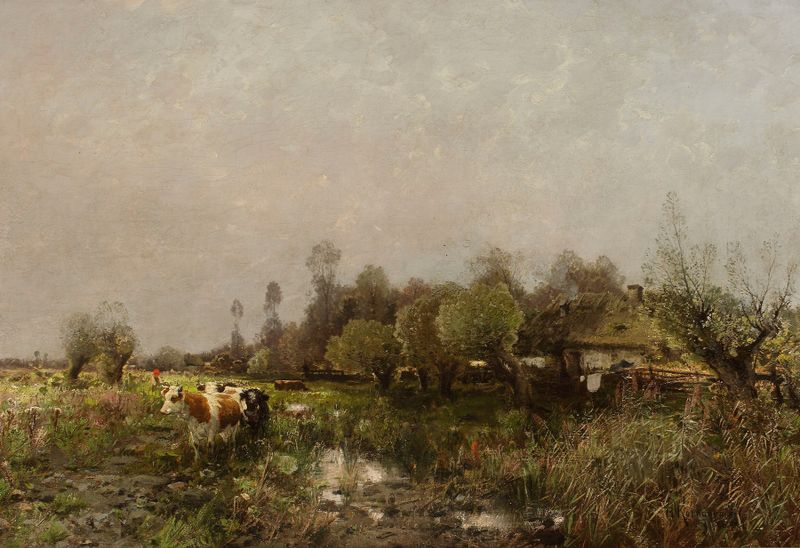
Summer landscape with a cottage on marshland
Roman Kazimierz Kochanowski
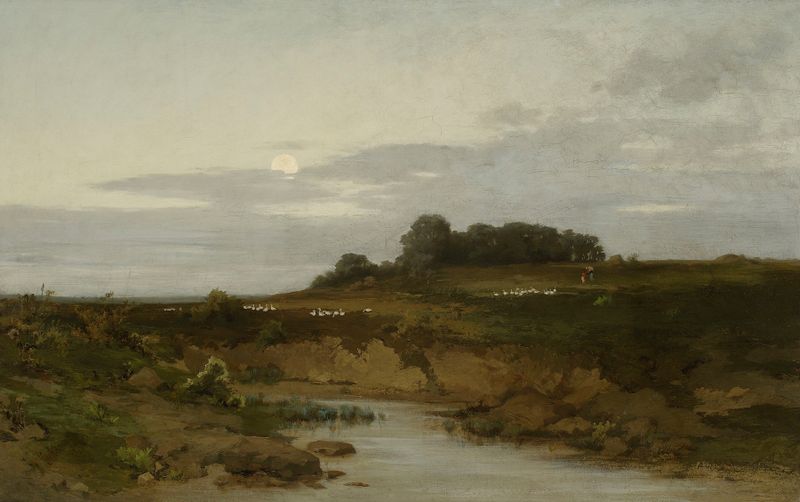
Evening
Roman Kazimierz Kochanowski
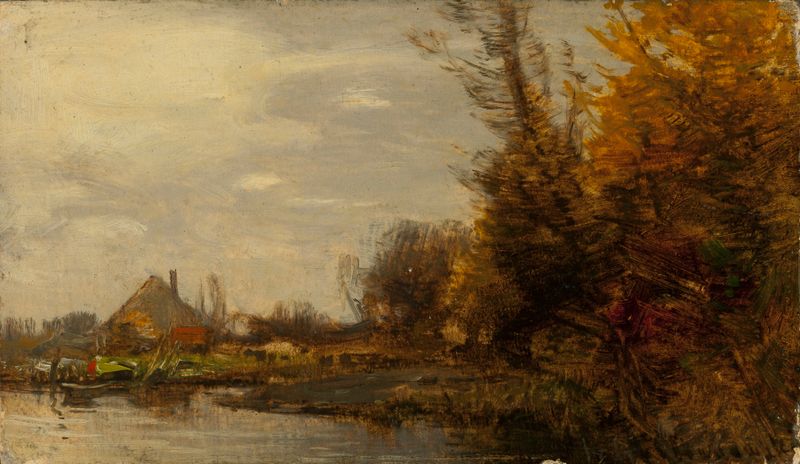
Autumn landscape with a cottage at waterside
Roman Kazimierz Kochanowski
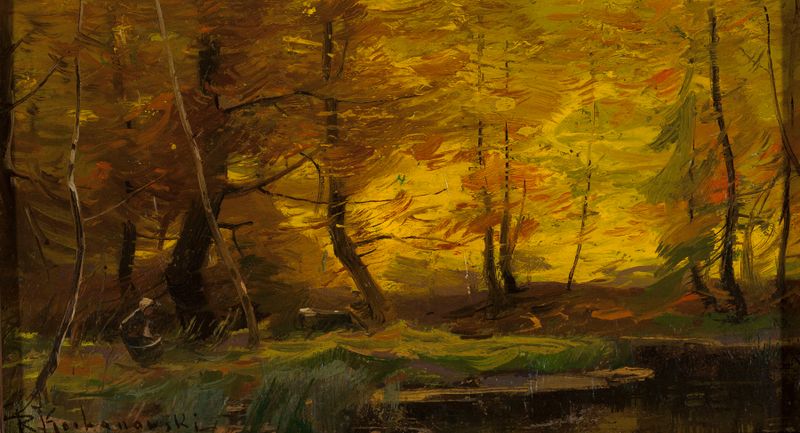
Forest landscape
Roman Kazimierz Kochanowski
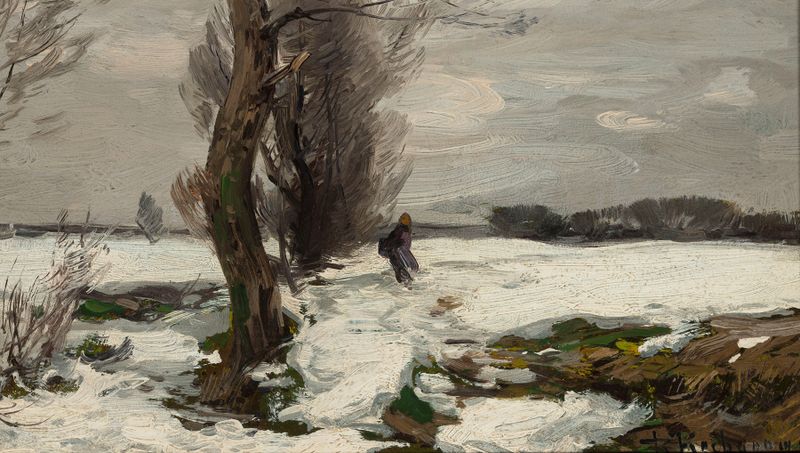
Winter landscape
Roman Kazimierz Kochanowski
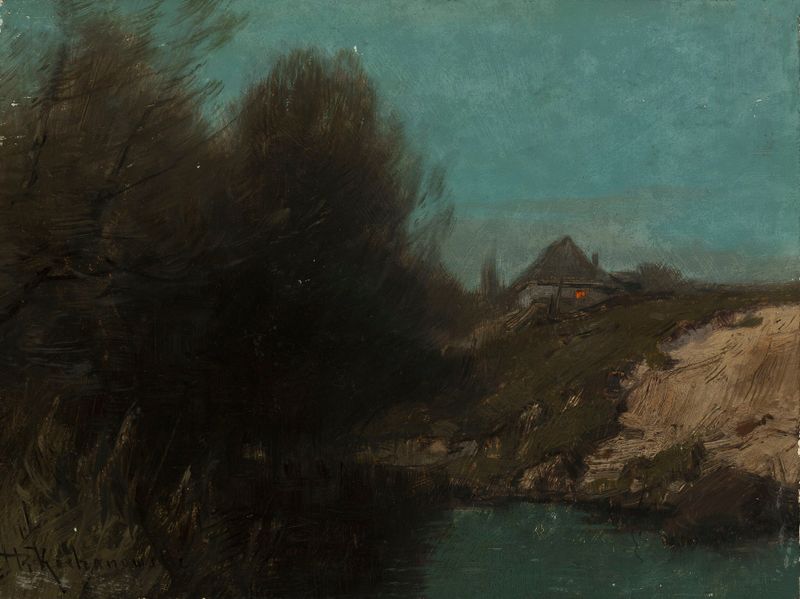
Landscape with a cottage
Roman Kazimierz Kochanowski
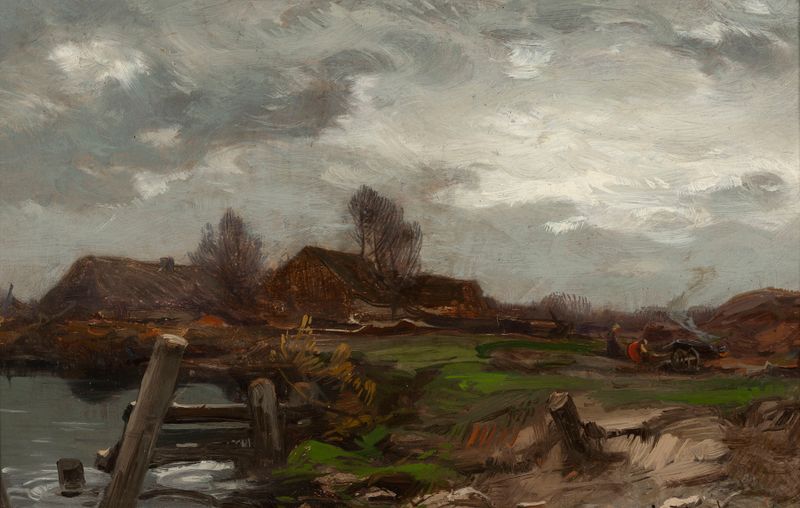
Landscape – Cottages at waterside
Roman Kazimierz Kochanowski
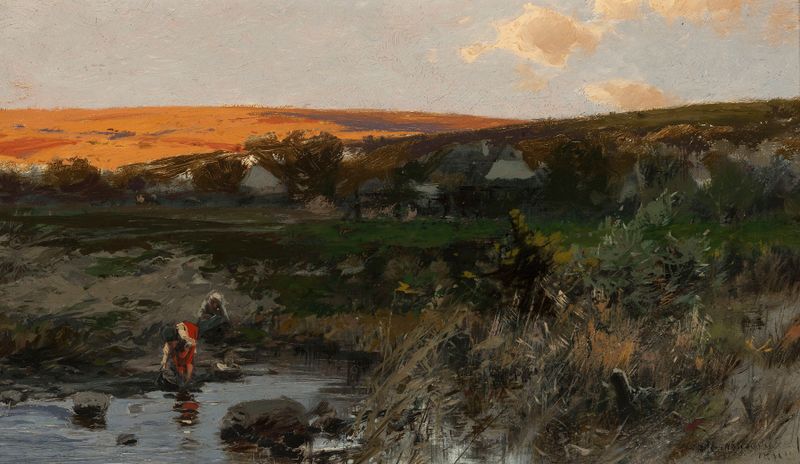
Landscape at sunset
Roman Kazimierz Kochanowski
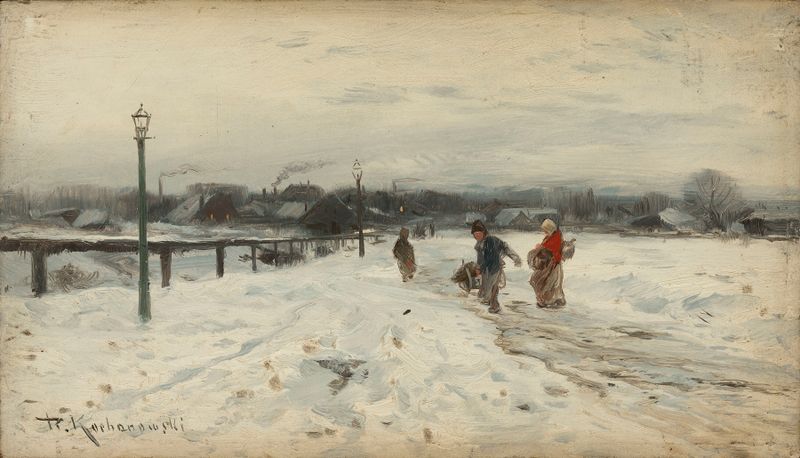
Suburban winter landscape
Roman Kazimierz Kochanowski





