
Winter landscape — History & Facts
Who listens when art speaks of silence? In Winter Landscape, the weight of solitude hangs in the air, a poignant reminder of grief entwined with nature's frostbitten beauty. Look closely at the foreground, where a blanket of pristine snow stretches endlessly, its surface unmarred and smooth. The delicate strokes of white blend seamlessly with soft grays and muted blues, evoking a feeling of stillness. Notice how the trees stand in solemn rows in the distance, their bare branches reaching skyward, creating an intricate silhouette against the pale sky.
The composition draws the eye through this quiet expanse, inviting contemplation in the chilly atmosphere. As you explore further, the contrast between the vibrant stillness and the underlying tension of desolation becomes apparent. Each tree seems to mourn the loss of warmth, their bare limbs a testament to the harshness of winter. The harmonious palette, while tranquil, hints at an underlying sorrow, as if the landscape itself carries the weight of unspoken memories and grief.
This duality invites viewers to reflect on their own experiences of loss, making the landscape resonate on a deeply personal level. Painted between 1890 and 1900, this work reflects Kochanowski's immersion in the Symbolist movement, a time when artists sought to express the ineffable through imagery. Living in Poland, he witnessed the socio-political turbulence of his homeland, which undoubtedly influenced his portrayal of nature as a mirror to human emotion. This painting encapsulates a moment of introspection, using the stark beauty of winter to evoke the poignant silence that accompanies each passing heartbeat.
More Artworks by Roman Kazimierz Kochanowski
Browse all →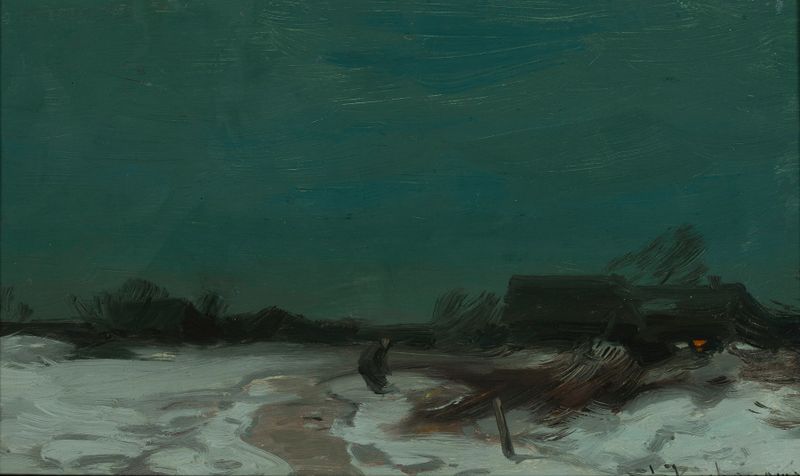
Winter landscape with cottages
Roman Kazimierz Kochanowski
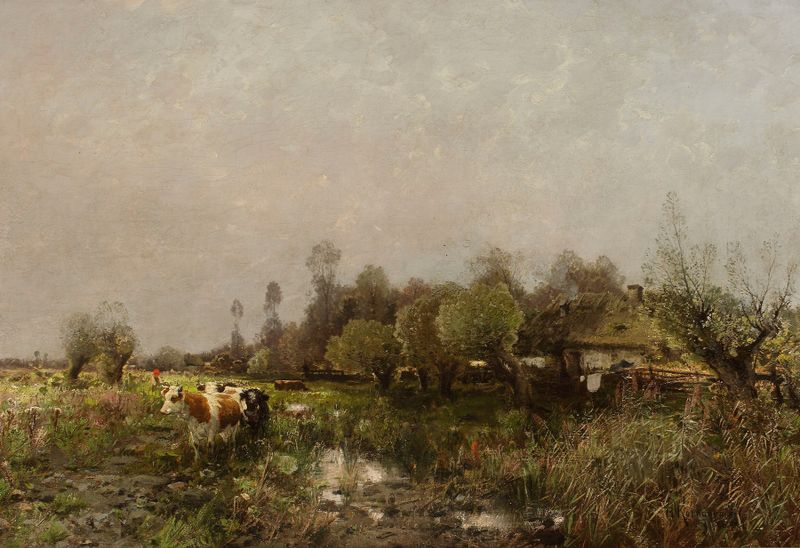
Summer landscape with a cottage on marshland
Roman Kazimierz Kochanowski
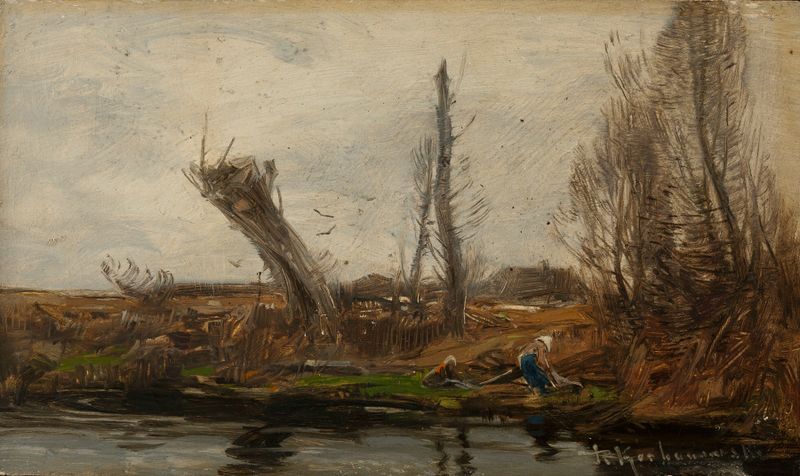
Willows at waterside
Roman Kazimierz Kochanowski
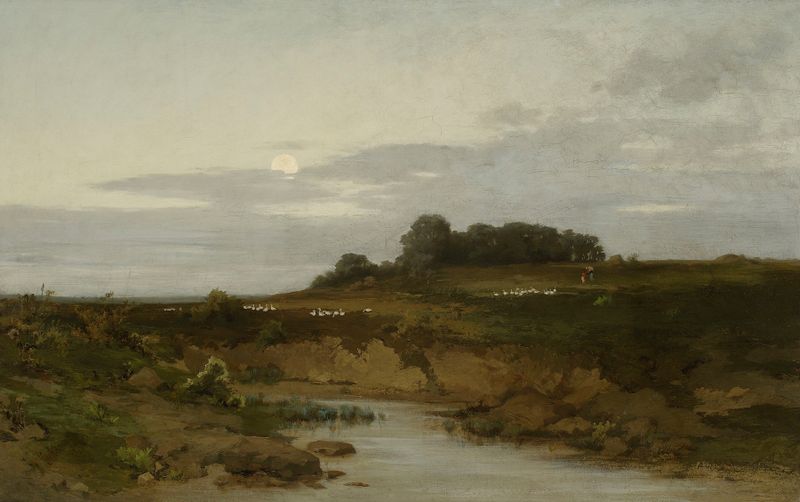
Evening
Roman Kazimierz Kochanowski
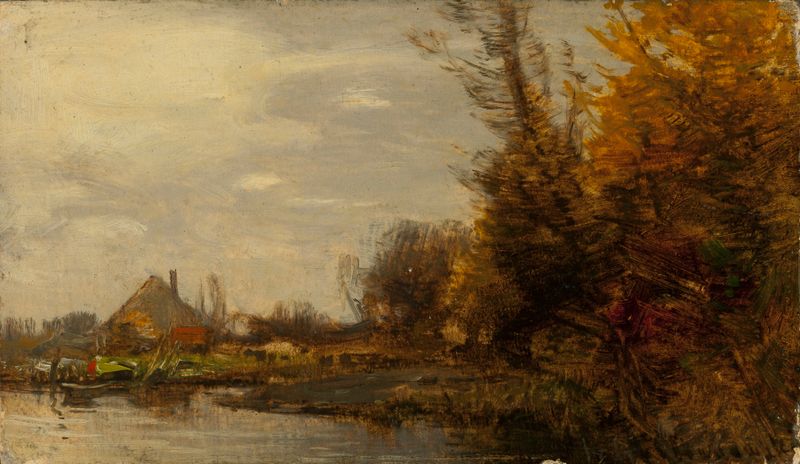
Autumn landscape with a cottage at waterside
Roman Kazimierz Kochanowski
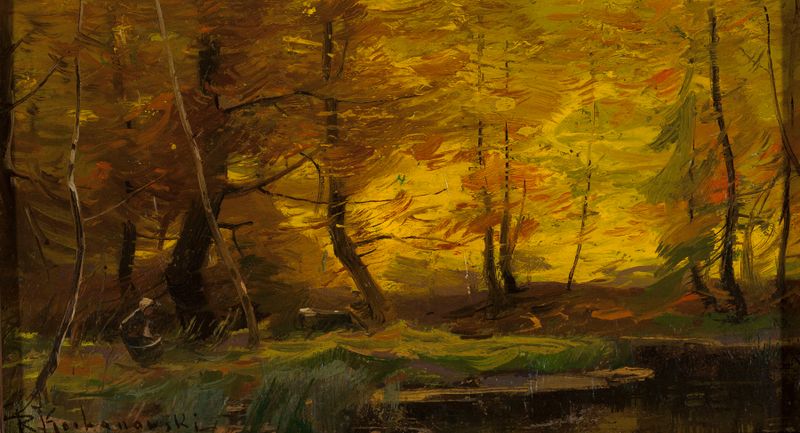
Forest landscape
Roman Kazimierz Kochanowski
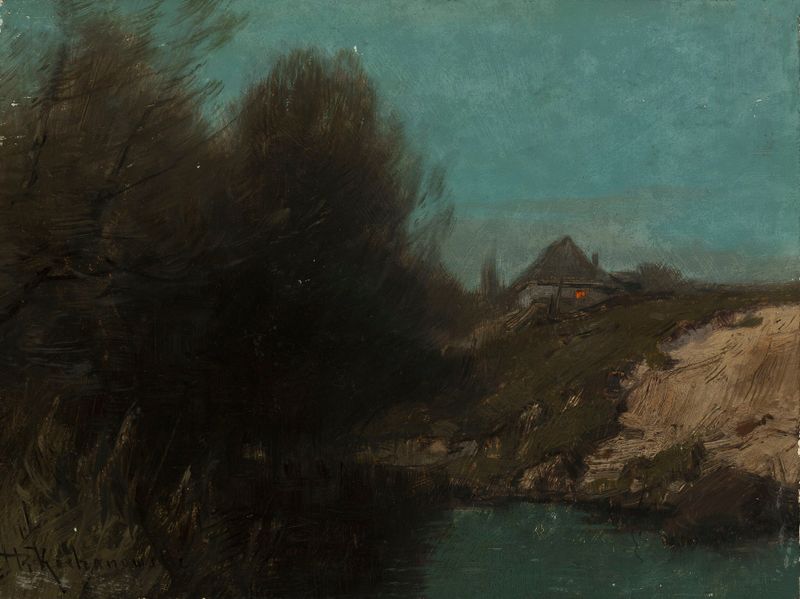
Landscape with a cottage
Roman Kazimierz Kochanowski
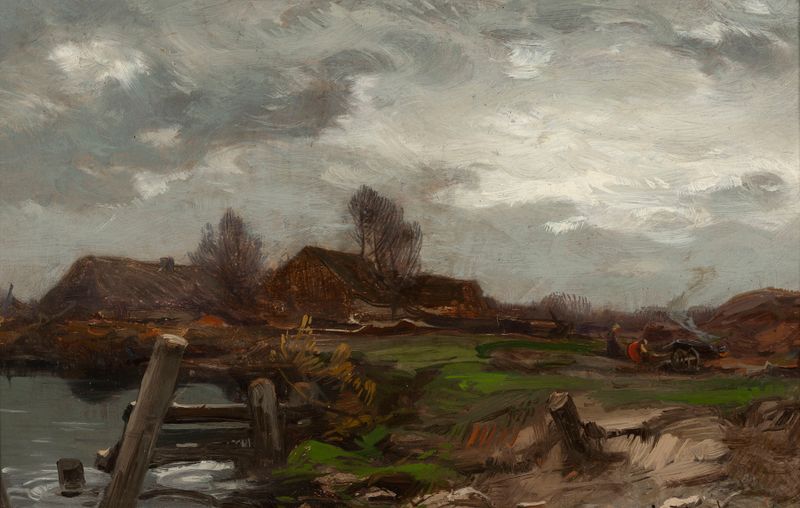
Landscape – Cottages at waterside
Roman Kazimierz Kochanowski
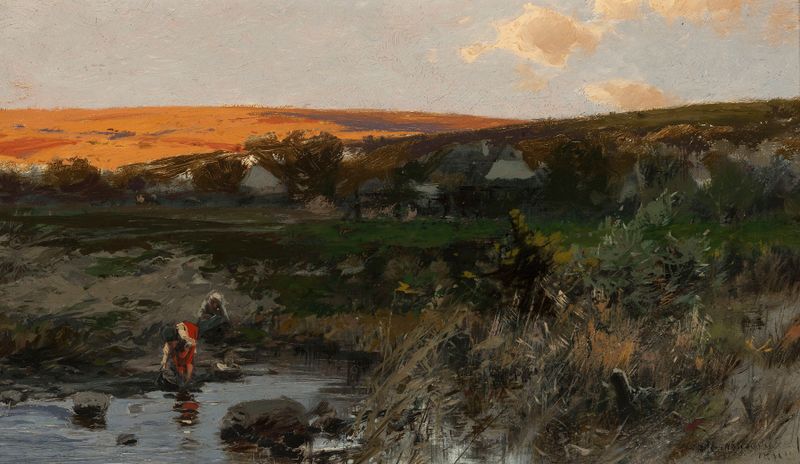
Landscape at sunset
Roman Kazimierz Kochanowski
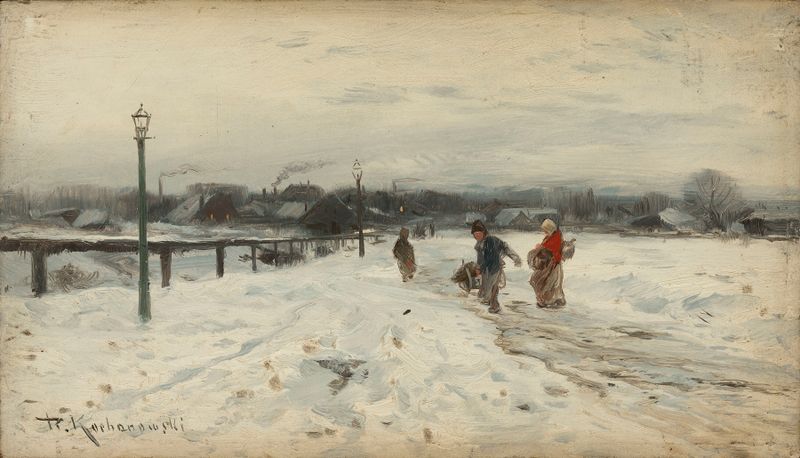
Suburban winter landscape
Roman Kazimierz Kochanowski





