
Windbruch — History & Facts
The delicate balance of life and renewal can often be found in the quietest of places. In Windbruch, the vibrant hues of nature hint at a deeper story of rebirth, urging the viewer to reflect on transformation amidst stillness. Focus on the lush greens that dominate the left side of the canvas, where new life springs forth among fallen branches. Notice how the light dapples through the foliage, creating a gentle interplay of shadows and highlights that invites the eye to wander.
The earthy palette evokes both the richness of life and the inevitability of decay, as warm ochers intermingle with cool blues, emphasizing the cycle that sustains the natural world. Delve deeper into the juxtaposition of the freshly sprouting plants and the broken tree limbs, symbolizing resilience in the face of adversity. The way the foliage reaches upward, almost defiantly, speaks of hope and the enduring spirit of nature. This delicate dance between destruction and creation captures a moment of quiet power, illustrating that even in loss, there is the promise of rejuvenation. Marie Egner painted Windbruch around 1884, during a time when she was deeply engaged with the plein air movement in Austria.
This period was marked by significant changes in the art world, as artists began to embrace the beauty of the natural landscape with fresh eyes. Egner, influenced by her surroundings, sought to capture the ephemeral nuances of light and color, reflecting the broader shifts towards impressionism and the celebration of individual perspectives in art.
More Artworks by Marie Egner
Browse all →
Late Summer on the Salzburger Moor near Untersberg
Marie Egner
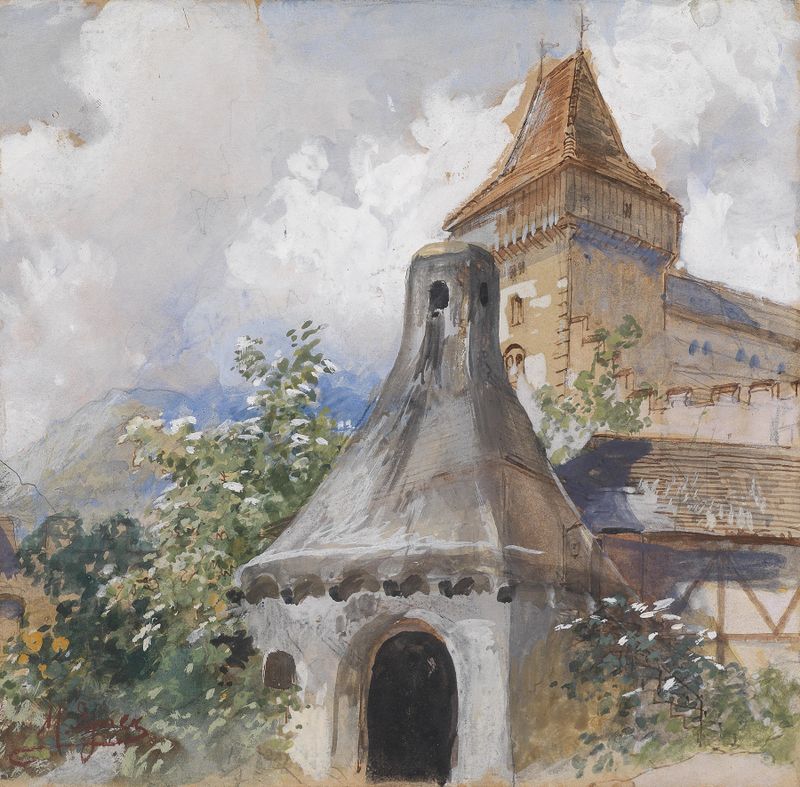
Burg und Dörrofen
Marie Egner
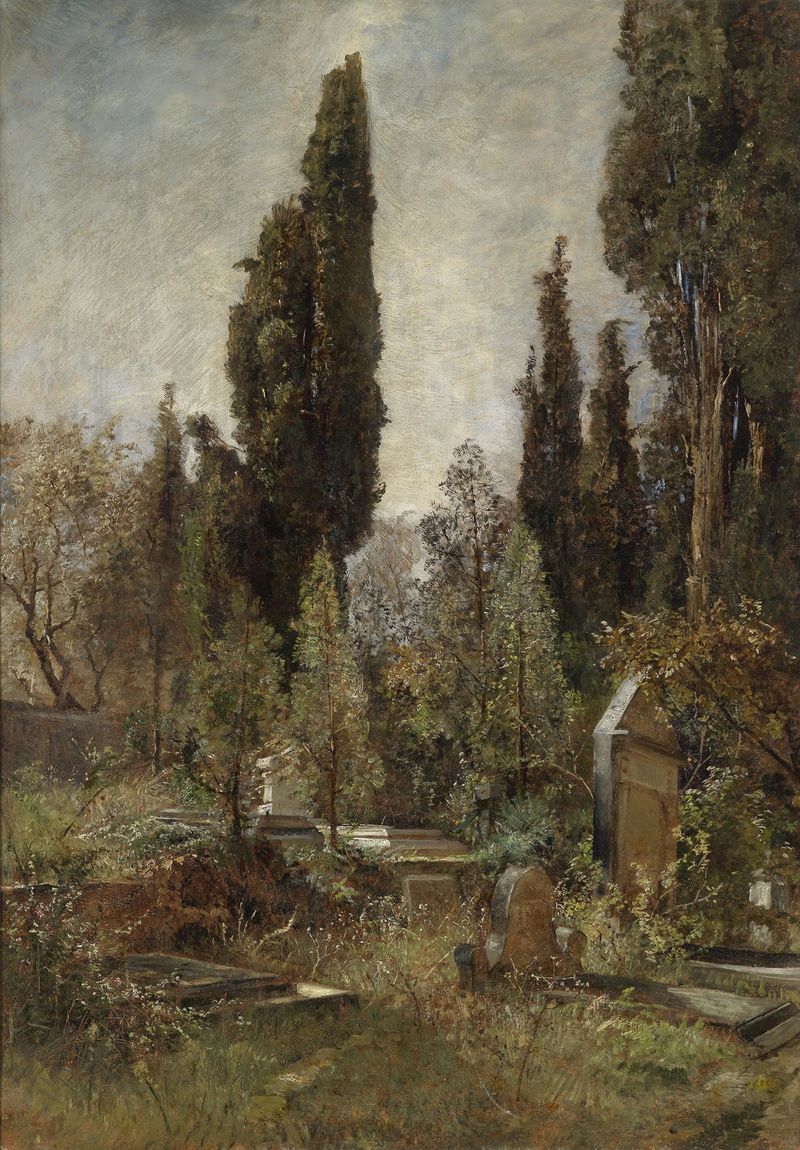
Alter Friedhof
Marie Egner

Blick gegen den Bisamberg
Marie Egner

Evening in Brittany
Marie Egner
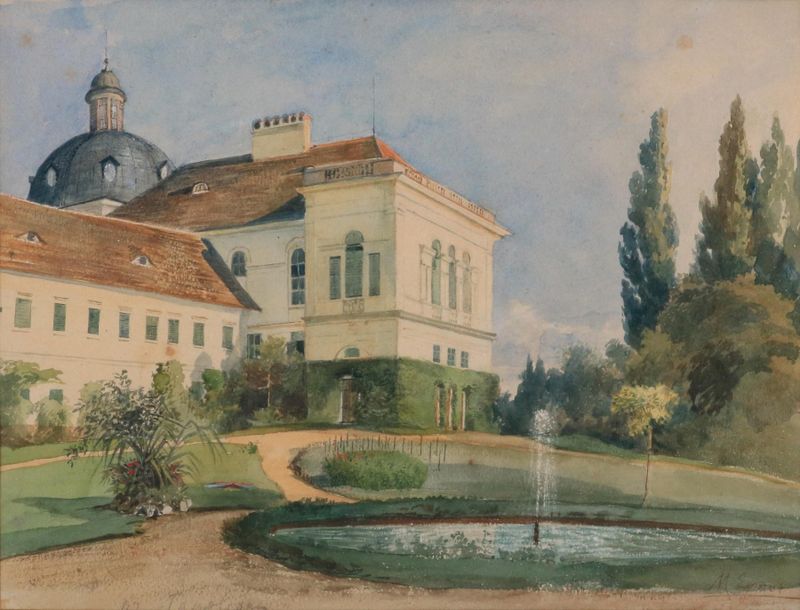
Schlosspark mit Springbrunnen
Marie Egner

A view of the courtyard at No. 8 Dreilaufergasse, 1070 Vienna
Marie Egner
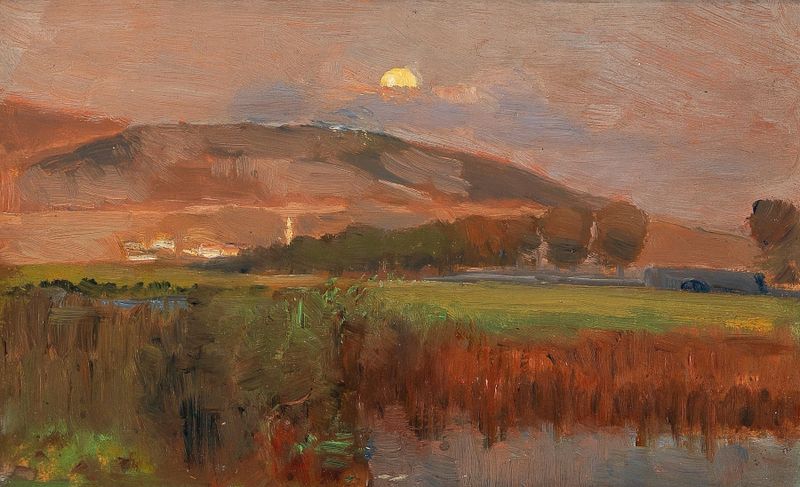
Abendstimmung
Marie Egner

Landschaftsstück
Marie Egner

Old Mill in Gastein
Marie Egner





