
Windmills — History & Facts
In a world woven from dreams, what does it mean to capture the ephemeral? Can the viewer find solace in the elegance of the familiar, or are they condemned to search for meaning amidst the mundane? Look closely at the horizon in Windmills, where your gaze is immediately drawn to the delicate dance of windmills against an expansive sky. The artist employs soft, swirling brushstrokes to conjure motion, while the cool blues and warm golden hues suggest the interplay between nature and human invention. Notice how the light bathes the scene in a gentle glow, transforming labor into serenity, as if every turn of the blades whispers secrets of a forgotten time. Within the composition, a delightful tension arises from the juxtaposition of the windmills against the vastness of the landscape.
These structures, often perceived as mere functional objects, emerge as dreamlike sentinels, embodying the struggle between humanity and nature. The viewer may feel an underlying poignancy, a reminder of the relentless passage of time and the fragility of our dreams in the face of progress. During the period when this work was created, William Henry Holmes was deeply engaged with the natural world, likely influenced by the evolving landscapes of America in the late 19th century. His exploration of light and form reflected broader trends in American art, as artists sought to capture the nation’s burgeoning identity and the profound connection between the land and its people.
More Artworks by William Henry Holmes
Browse all →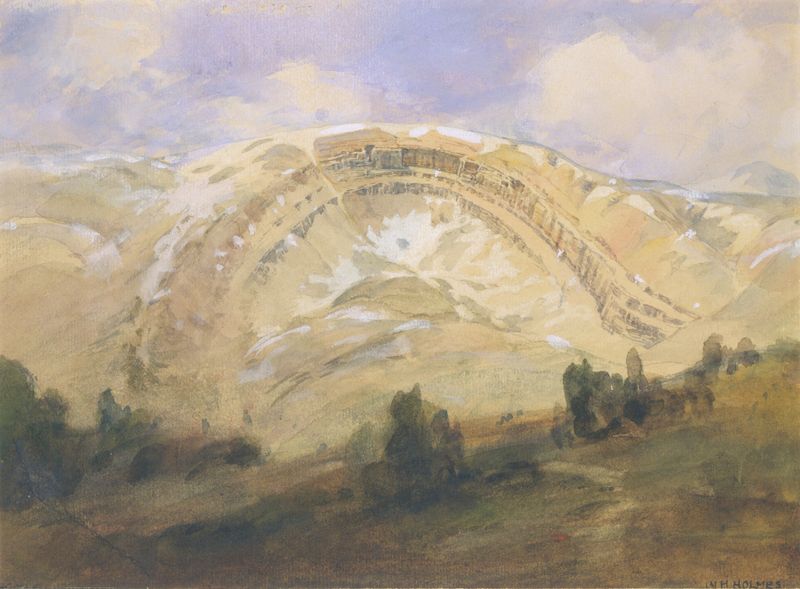
Folded Strata, A Great Geological Arch, Colorado
William Henry Holmes
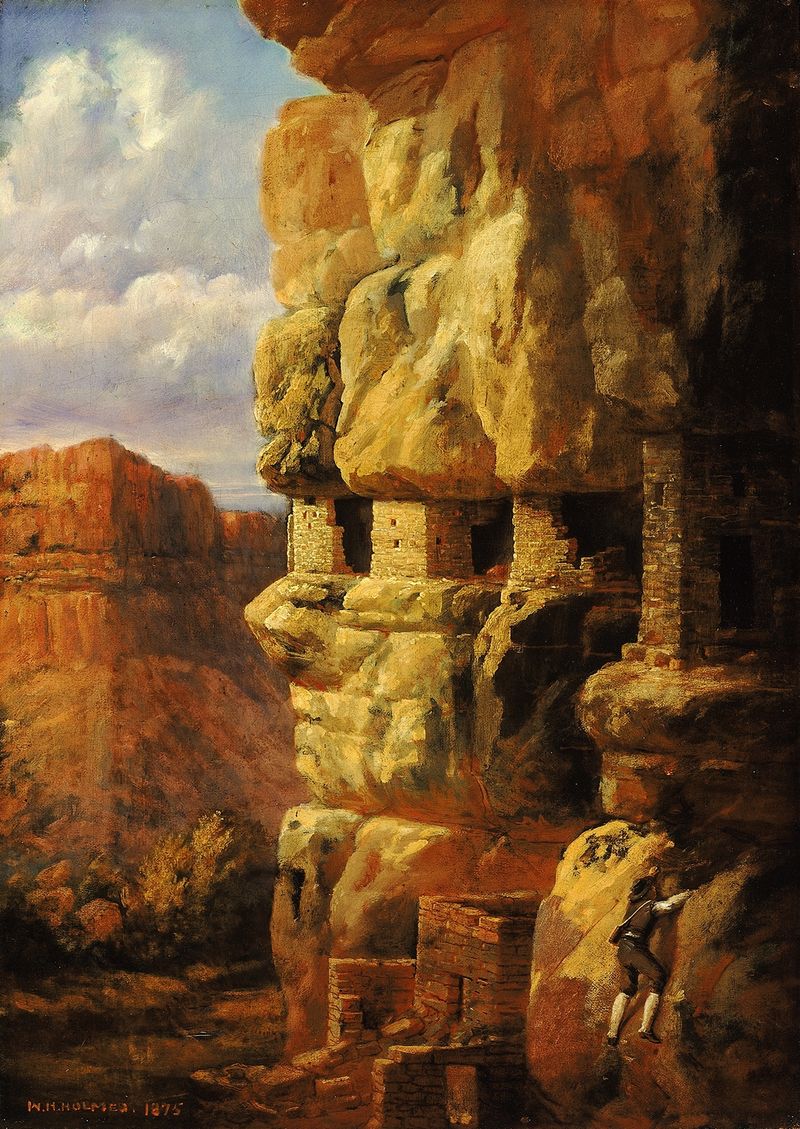
Cliff Houses On The Rio Mancos, Colorado
William Henry Holmes
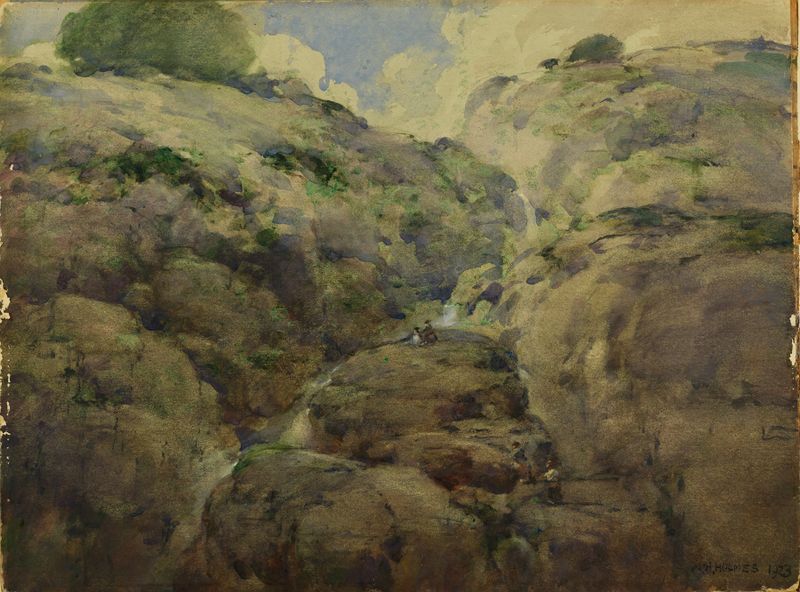
Mountain Gorge, Colorado
William Henry Holmes
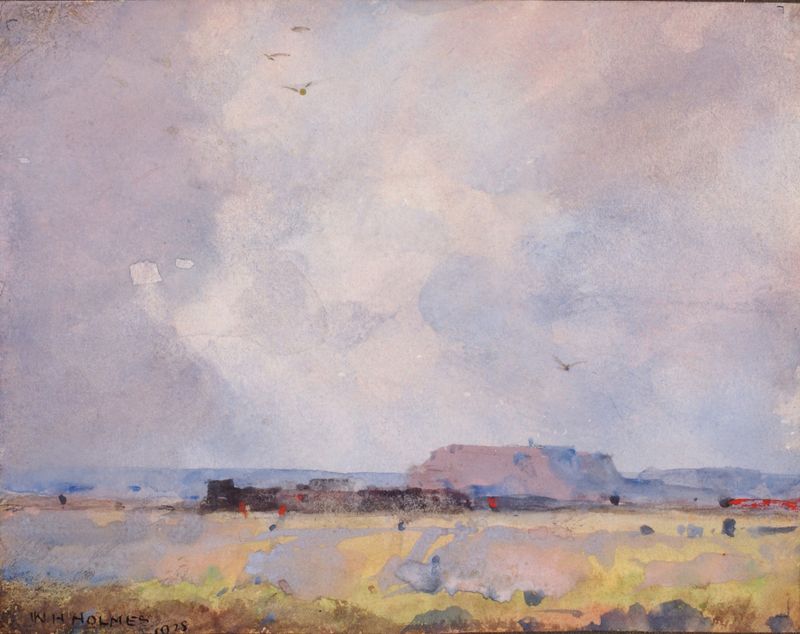
In The Plateau Country, With An Inhabited Pueblo
William Henry Holmes
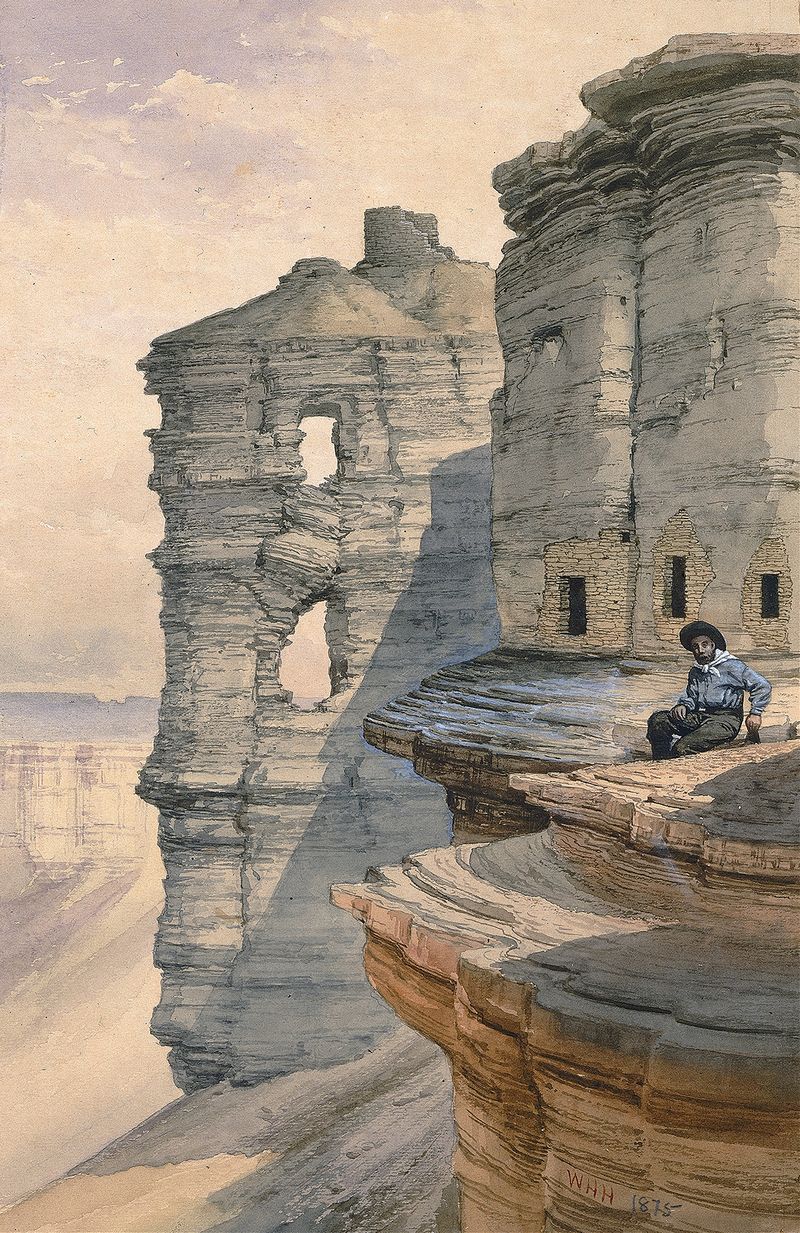
Cliff Houses on the Rio Mancos, Colorado
William Henry Holmes
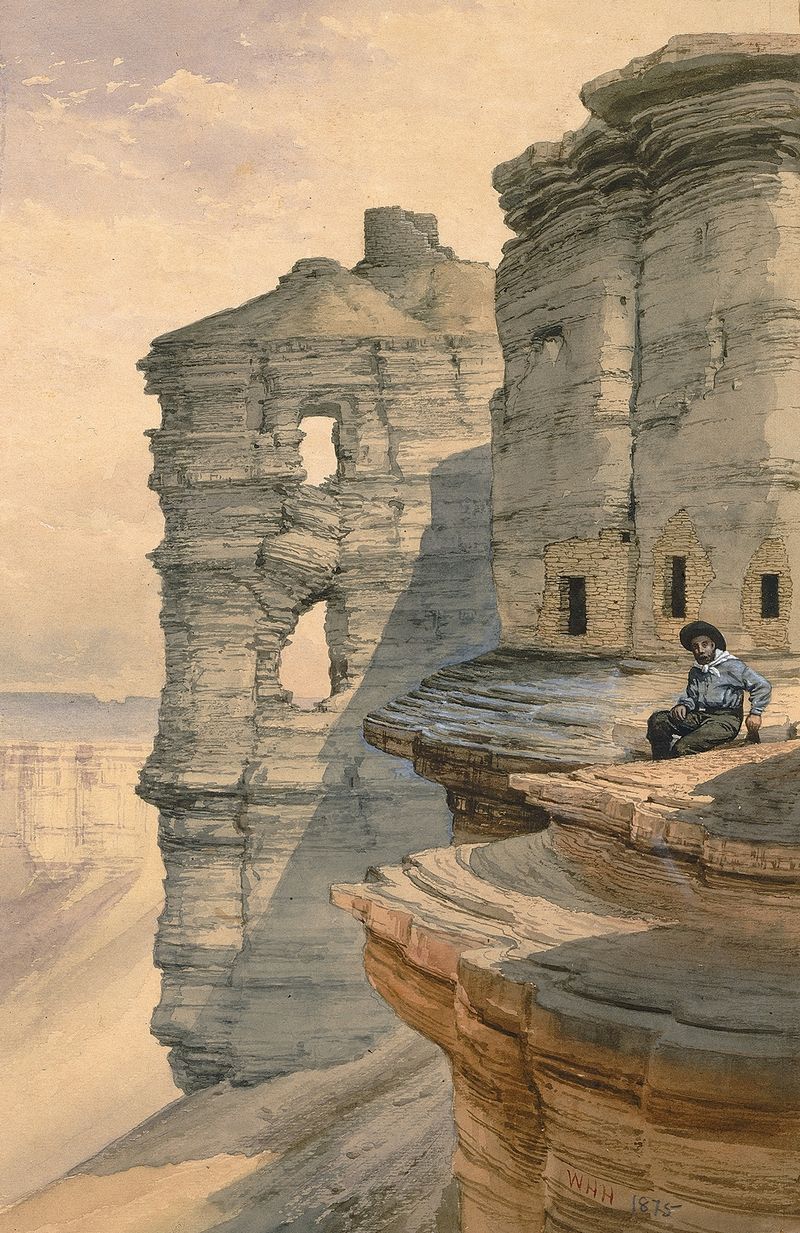
Cliff Houses On The Rio Mancos, Colorado
William Henry Holmes
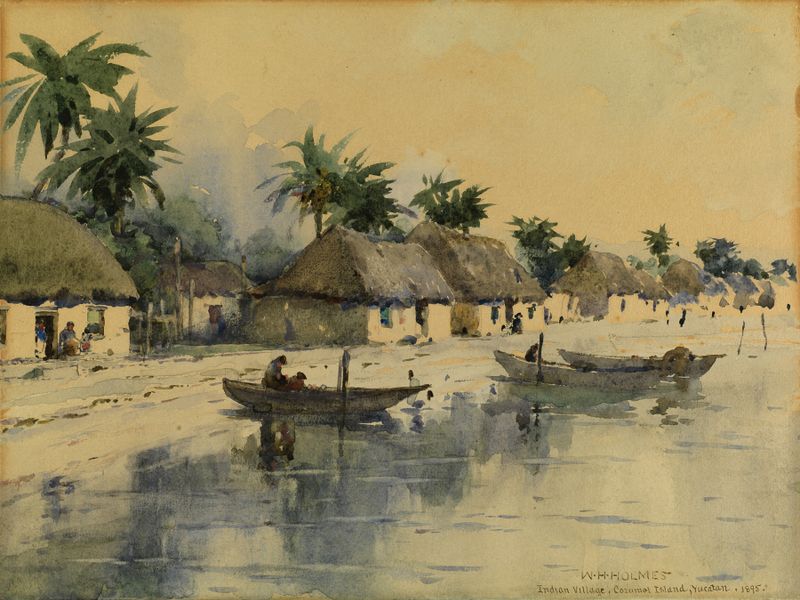
Indian Village, Cozumel Island, Yucatan
William Henry Holmes
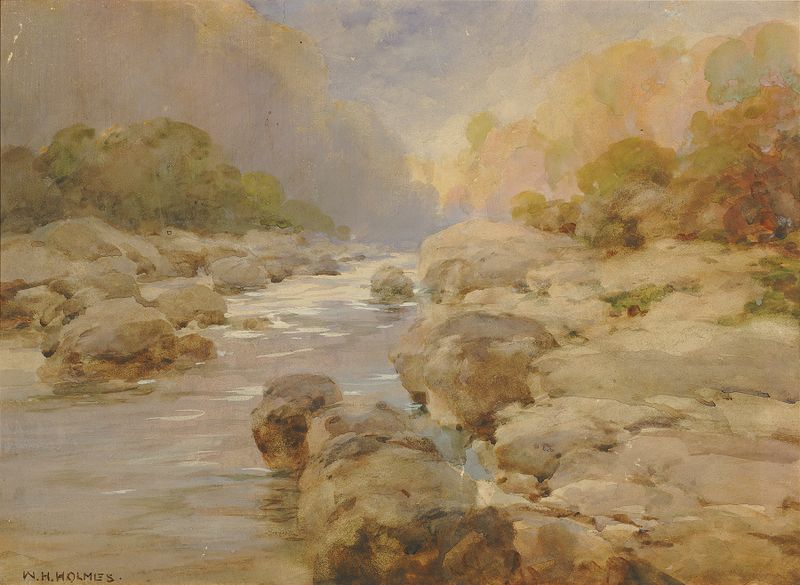
Unmodified Rock Creek, About 1910
William Henry Holmes
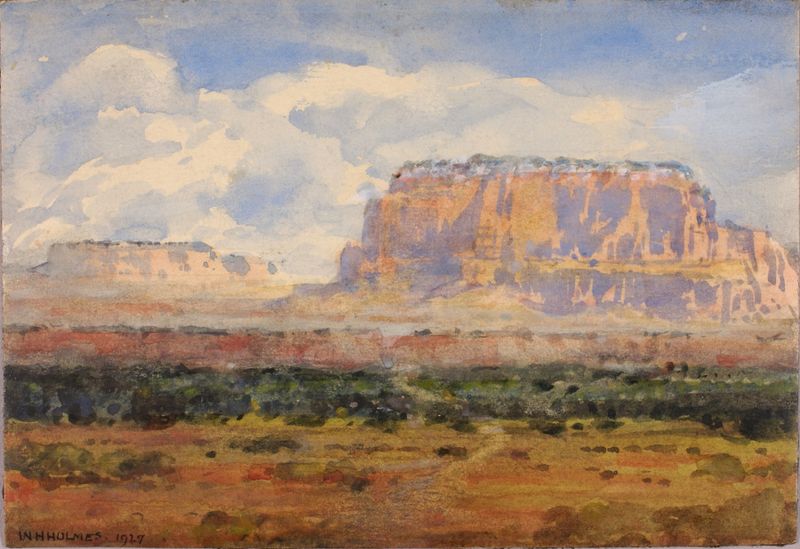
The Enchanted Mesa
William Henry Holmes
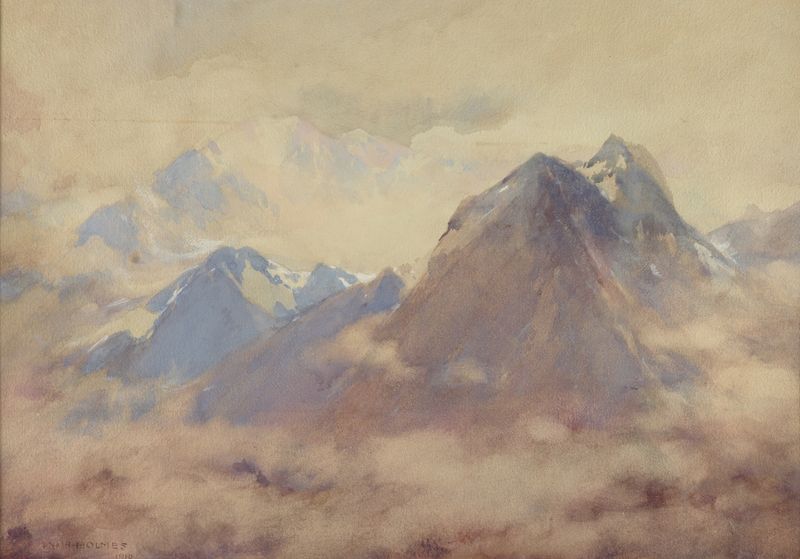
The Almighty’s Own, An Impression Of The High Andes
William Henry Holmes





