
Windmills in Belgium — History & Facts
What if silence could speak through light? In Windmills in Belgium, a world unfolds where shadows dance gracefully, whispering tales of time and toil. Look closely at the foreground, where the silhouettes of the windmills stretch against a backdrop of ethereal light. The exquisite interplay of warm and cool tones draws your gaze upward, guiding you through the subtle variations of twilight. The careful brushwork suggests a gentle breeze, yet the stillness of the scene evokes a deep, contemplative silence.
Notice how the soft hues of the sky meld into the darker forms below, creating a harmonious balance between shadow and illumination. Within this tranquil landscape lies a narrative of contrast and resilience. The solidity of the windmills stands firm, symbolizing the steadfastness of human ingenuity against the ephemeral beauty of nature. The shadows they cast reflect the passing of time, reminding us of the relentless march of life.
This composition speaks to the quiet duality of existence—how light can illuminate even the darkest corners, while shadows hold untold stories beneath their surface. Alfred Zoff painted Windmills in Belgium in 1910, during a period marked by shifting artistic movements and personal reflection. Living in Belgium, he was influenced by both Impressionism and the emerging modernist trends of the early 20th century. This work encapsulates his desire to capture the essence of his surroundings, merging technical mastery with an intimate understanding of the land and its enduring symbols.
More Artworks by Alfred Zoff
Browse all →
Chioggia
Alfred Zoff

Riviera, Breaking Waves in Boccadasse
Alfred Zoff

Camaret. Küste bei Brest
Alfred Zoff
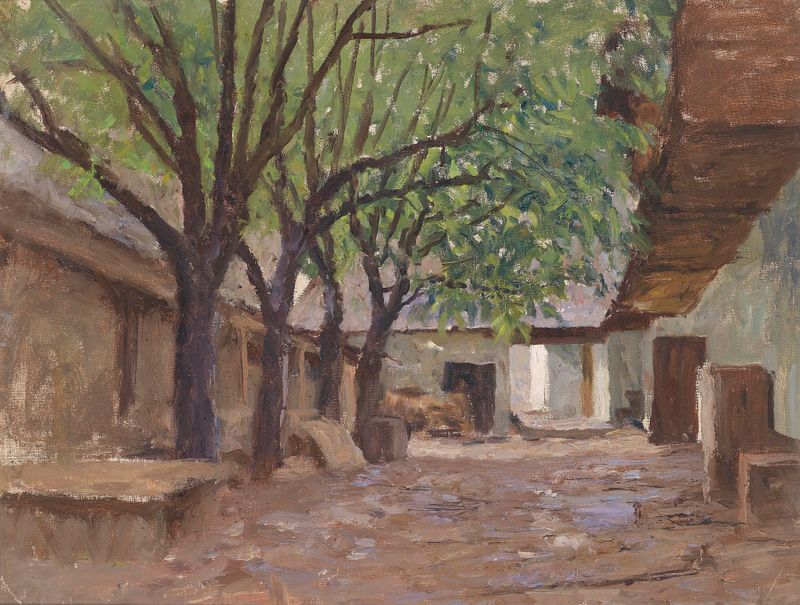
Bauernhäuser bei Klagenfurt
Alfred Zoff

Felsige Küstenpartie
Alfred Zoff

Ländliche Idylle
Alfred Zoff
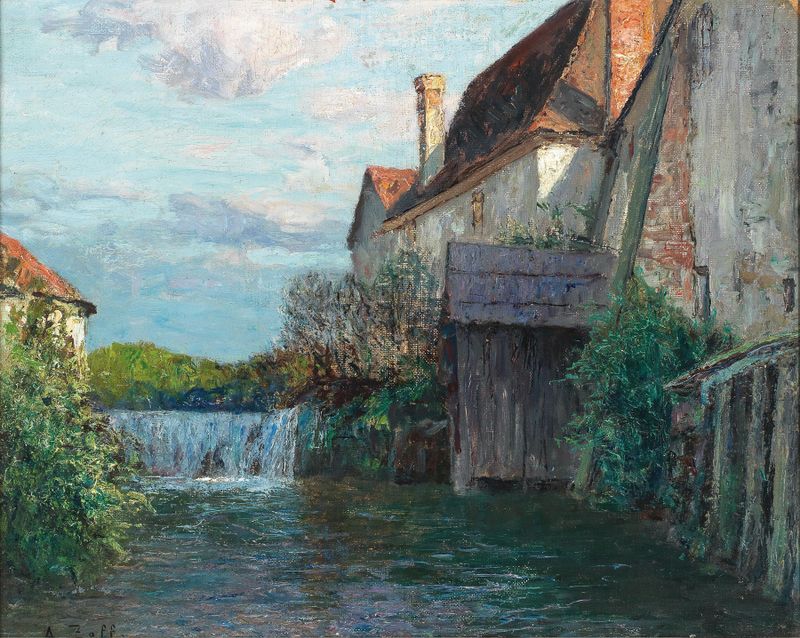
Motiv aus einem steirischen Eisenwerk
Alfred Zoff

Abendstimmung
Alfred Zoff
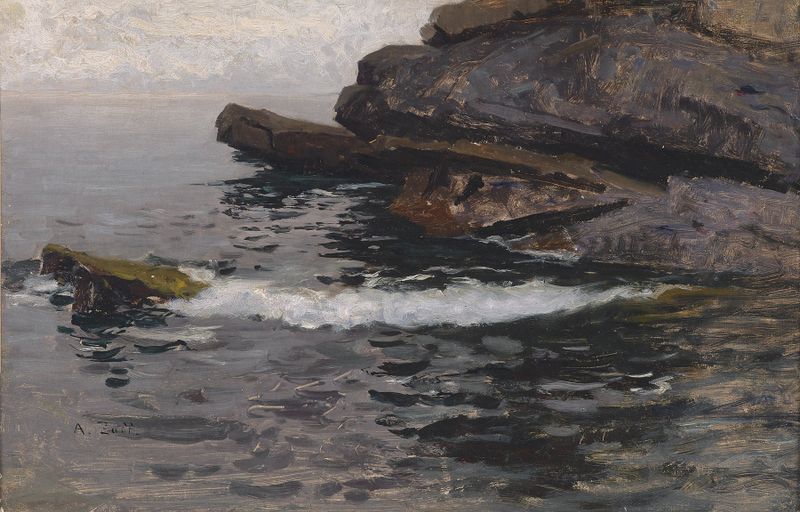
Felsküste bei Capo Lungo
Alfred Zoff

Fischerboote zur Zeit der Ebbe
Alfred Zoff





