Winter Day — History & Facts
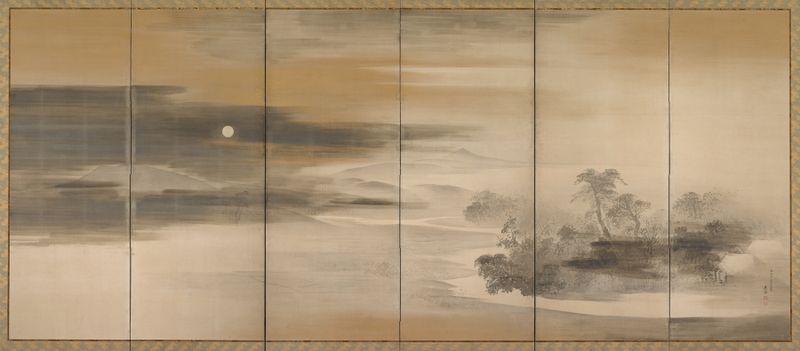
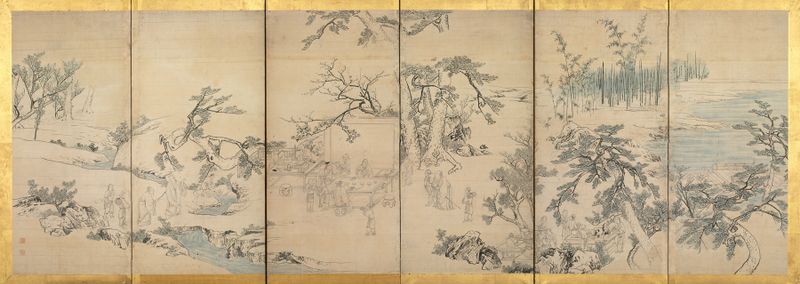
It is in the stillness of winter that we find a quiet ecstasy, where the beauty of the world unfolds in delicate layers of white and gray. Focus on the serene expanse of snow that blankets the ground, rolling softly towards a distant horizon. The artist’s meticulous brushwork reveals the subtle texture of the snow, while ethereal wisps of gray skimming the surface hint at the chill in the air. Notice the gentle contrast between the stark landscape and the serene sky, where soft hues blend seamlessly, evoking an atmosphere of tranquility.
The sparse trees stand as guardians against the vastness, their branches delicately etched with frost, drawing the eye toward the peaceful solitude of the scene. Within this winter tableau lies a poignant tension. The absence of human presence makes the landscape feel alive yet desolate, inviting reflection on isolation and serenity. The subtle play of light and shadow across the snow invites the viewer to ponder the fleeting nature of beauty and time, as each moment within this frozen expanse is both eternal and ephemeral.
This juxtaposition of color and silence evokes emotional depth, mirroring the complexities of human experience amid nature’s embrace. In 1784, the artist created this piece during a period of significant cultural exchange in Japan, as new artistic influences began to merge with traditional styles. Maruyama Ōkyo was at the forefront of the Kano school revival, and his work reflected a meticulous observation of nature, blending realism with the idealism of earlier Japanese aesthetics. In a time when Japan was slowly opening up to Western ideas, this work encapsulates both the beauty of the natural world and the contemplative depth of human emotion.