Winter Journey Through the Mountains Along Plank Roads (Ming Huang's Journey to Shu) — History & Facts
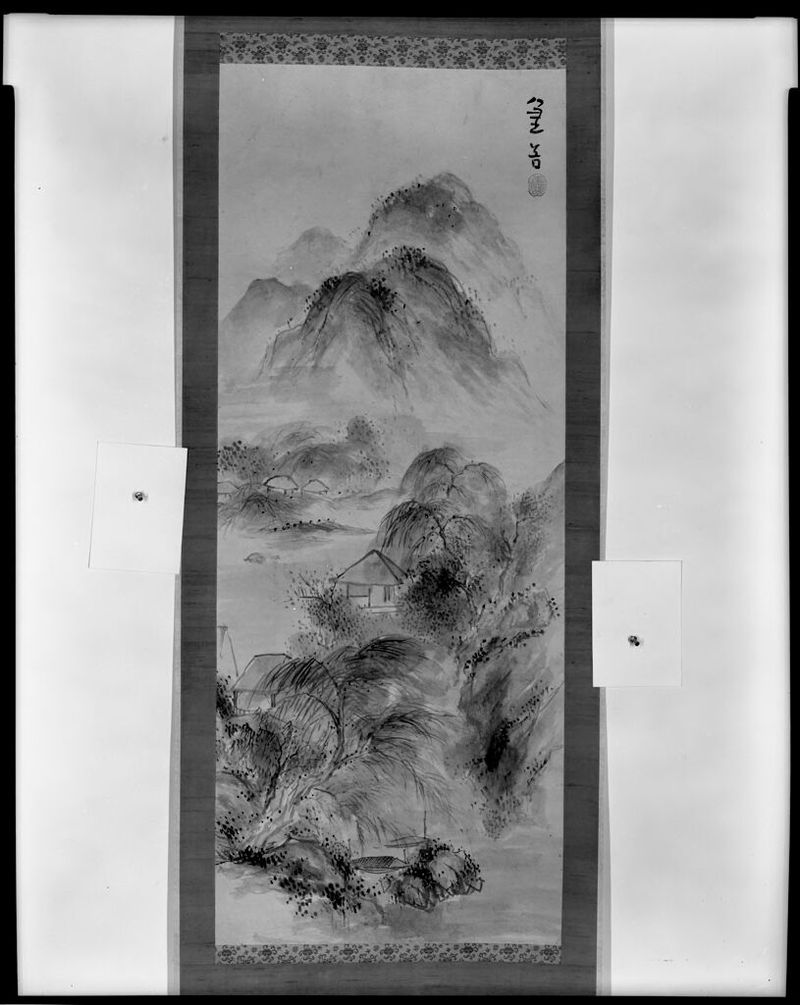
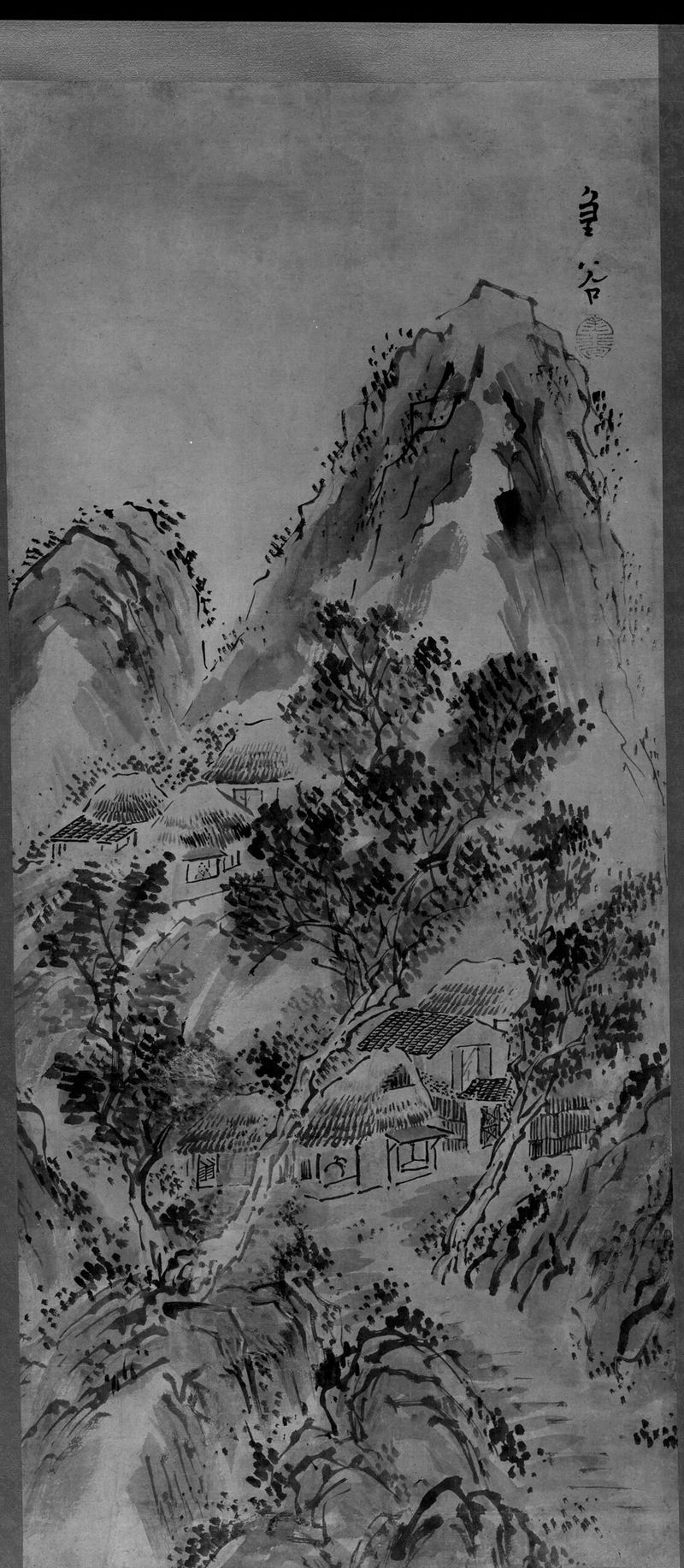
Where does light end, and longing begin? In the delicate interplay of hues and shadows, we find the boundaries of our own desires, yearning for what lies just beyond our reach. Look to the serene expanse of snow-draped mountains that stretch across the canvas, a testament to both beauty and hardship. The faintest touch of blue in the sky contrasts sharply with the rich, deep greens of the distant trees, anchoring the viewer’s eye and inviting exploration. Notice the intricate details of the plank roads winding through the landscape, each element painted with precision, drawing us into the journey—both a literal passage and a metaphor for the treacherous path of existence. Yet amid this tranquil beauty lies a subtle tension, as the jagged peaks loom over the narrow paths—a reminder of the precariousness of life itself.
The figures traversing the road seem almost swallowed by the overwhelming nature surrounding them, embodying a sense of madness as they pursue their goals against an indifferent landscape. It evokes questions of purpose, struggle, and the emotional burden of longing, each stroke encapsulating the conflicting dance between aspiration and desolation. During the late Edo period, when this piece was created, Yokoi Kinkoku was immersed in a society marked by stability yet wrestling with the shadows of change. The art world was experiencing a renaissance of styles, blending traditional techniques with the influences of emerging Western aesthetics.
This was a time of contradictions, where beauty coexisted with turmoil, and Kinkoku’s work encapsulates that tension, capturing both the idyllic and the oppressive nature of existence in a rapidly evolving Japan.