Landscape with Willows — History & Facts
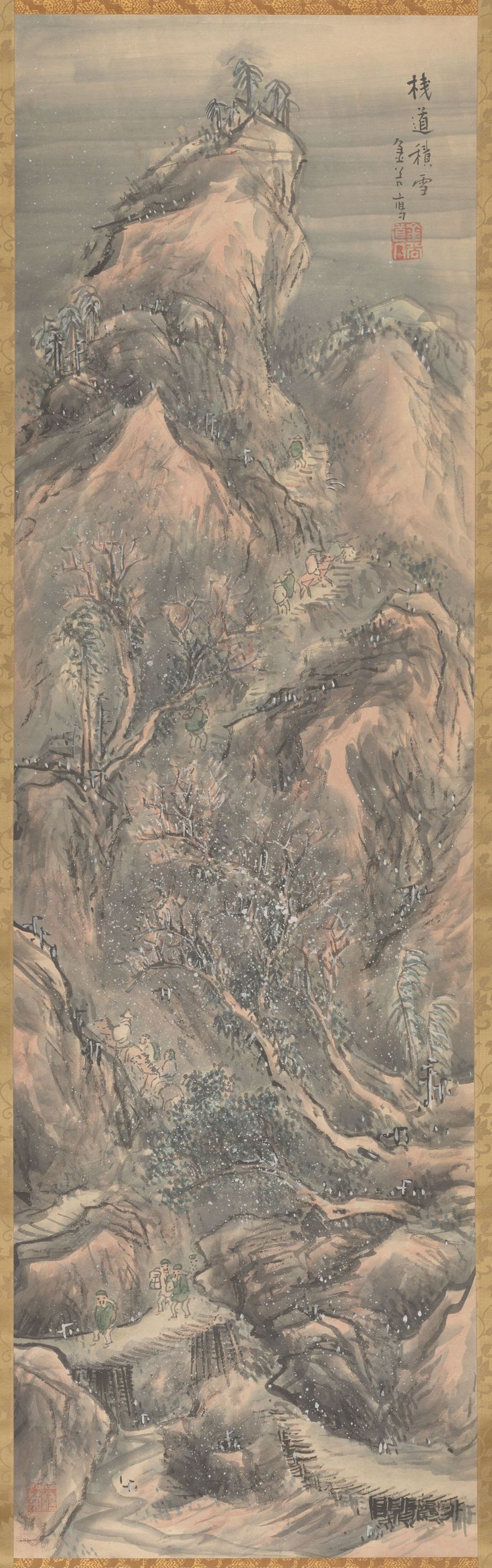
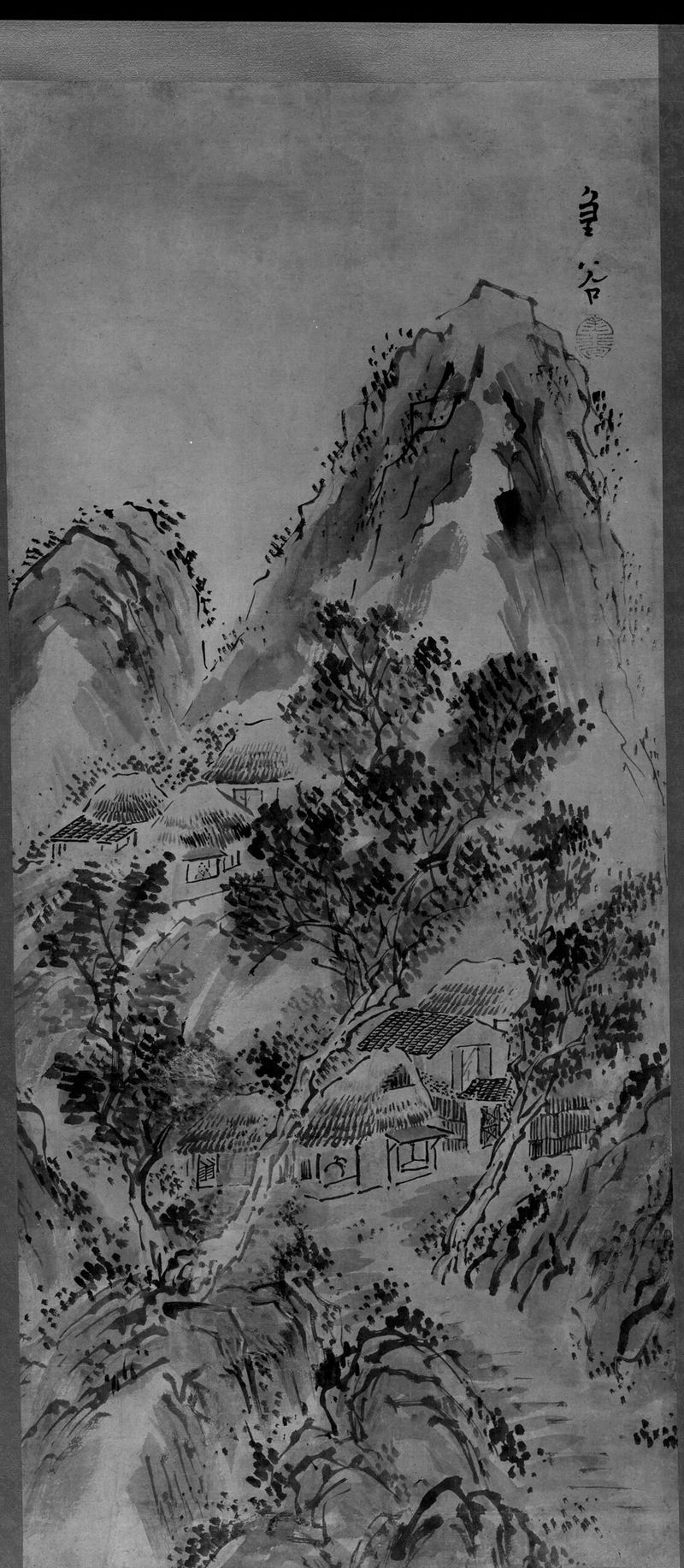
In the realm of memory, nostalgia often whispers through the hues of our past, offering moments both fleeting and profound. Look to the serene expanse of greens and earth tones that dominate the canvas, inviting the viewer into a tranquil landscape where willows sway gently against a soft backdrop. The delicate brushstrokes convey a sense of movement, while the light dapples through the leaves, casting intricate shadows that dance along the water's surface. The composition balances vastness with intimacy, drawing the eye towards the vibrant yet muted interplay of nature, inviting contemplation. Beneath the surface of this idyllic scene lies a deeper emotional resonance.
The willows, symbols of resilience, stand gracefully in their solitude, hinting at the passage of time and the quiet strength found in stillness. The harmonious blend of colors evokes a poignant sense of yearning, perhaps a longing for the simplicity of a bygone era or the fleeting nature of beauty itself. The juxtaposition of vibrant greens against the muted browns suggests a tension between life and decay, urging the viewer to reflect on the impermanence of existence. In the 18th to 19th century, as Yokoi Kinkoku created Landscape with Willows, he was part of a period rich with artistic exploration in Japan.
Influenced by the natural world surrounding him, he sought to capture the essence of landscapes while blending traditional techniques with new perspectives that emerged during this transitional time in art. His work reflects a deep connection to the environment and a desire to convey the emotional landscapes that lie beneath the apparent beauty.