Winter Morning in the Riviera, at the Well — History & Facts
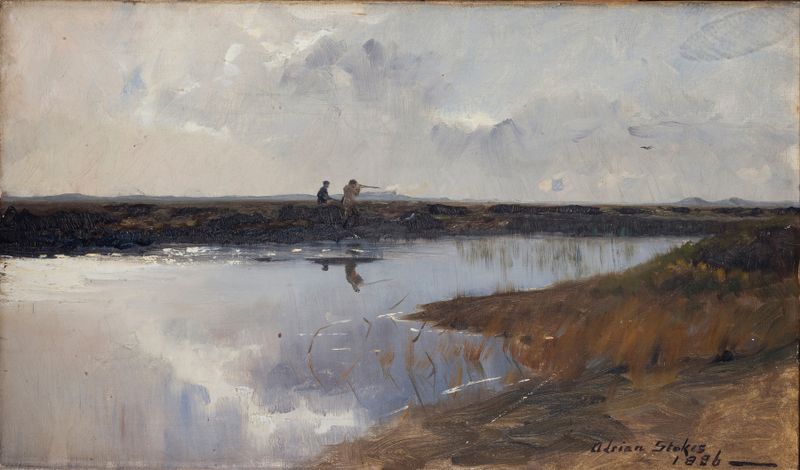
What if silence could speak through light? In Winter Morning in the Riviera, at the Well, this question comes alive, inviting the viewer to experience the soft whispers of dawn as they mingle with the ethereal play of color and shadow. Focus first on the well, anchored in the foreground, where soft strokes of white and pale blue illuminate the water's surface, creating an inviting sense of calm. Notice how the light filters in from the left, casting gentle reflections that dance across the scene, while the faint outlines of trees frame the background with a delicate embrace. The artist’s choice of a muted palette evokes the coolness of a winter morning, while inviting us to step closer and delve into the subtleties of the moment. As you observe, you may uncover the contrast between stillness and the promise of movement.
The well, representing nourishment and life, stands in stark juxtaposition to the serene landscape surrounding it. Hidden details, like the soft blush of the sky and the almost tangible chill of the air, speak to a deeper dichotomy—a transient moment caught between the grip of winter and the warmth of impending spring. Each brushstroke reveals an illusion of intimacy, as if the scene is a fragile dream hovering just beyond reach. Adrian Scott Stokes painted this piece in 1882 while residing in a period of artistic exploration.
During this time, his work began to embrace Impressionist influences, focusing on light and atmosphere rather than strict representations. The world of art was shifting dramatically, as artists sought to capture fleeting moments, and Stokes was at the forefront of this evolution, blending realism with the emotive qualities of light.