Winter Scene — History & Facts
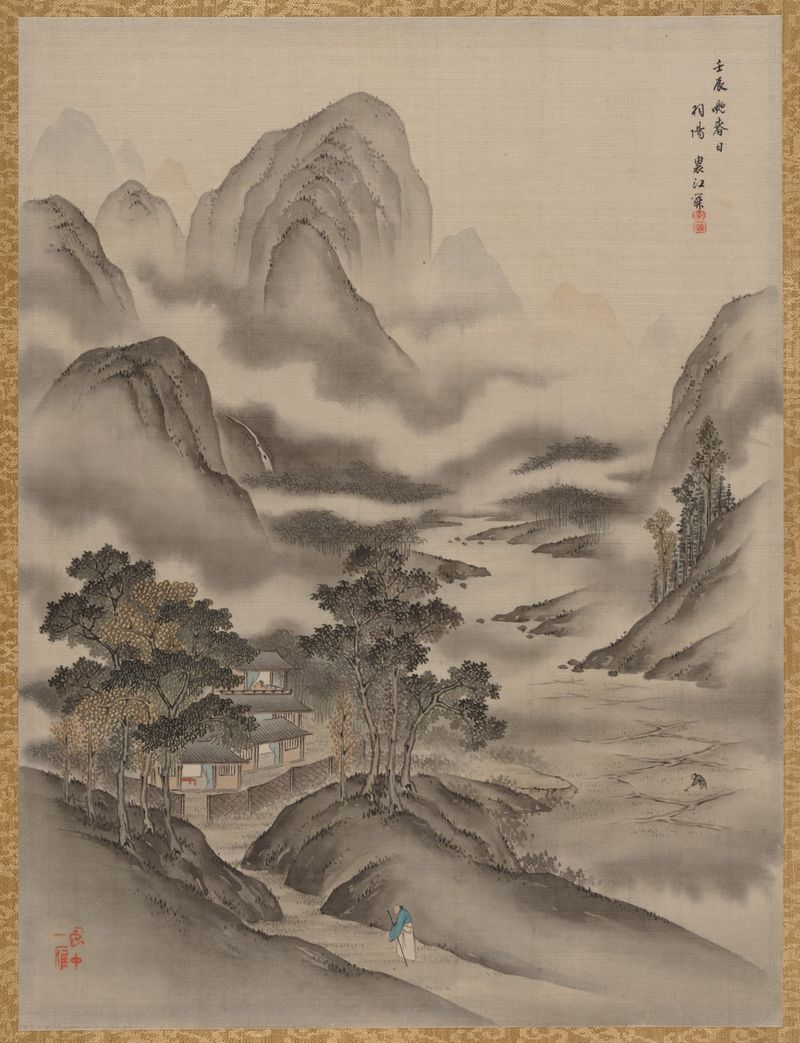
What secret hides in the quiet of the canvas? Beneath the tranquil surface of Winter Scene, a fragile beauty unfolds, inviting contemplation and reflection on the transient nature of life. Focus first on the delicate strokes that form the gentle, swirling snowflakes as they drift through the wintry air. Look to the left, where the bare branches of a tree extend like slender fingers against the pale sky, their starkness contrasting with the soft, powdered earth below. The muted palette of grays and whites harmonizes the composition, while soft brushwork evokes a sense of stillness — a moment suspended in time. Yet, within this serene landscape lies an emotional tension.
The juxtaposition of the solitary tree and the vast, empty space around it speaks to the fragility of existence, suggesting isolation amid beauty. Subtle hints of color in the shadows hint at warmth, a reminder that even in coldness, life persists. The painting captures not just a season, but an essence of vulnerability intertwined with resilience. In 1892, when this piece was created, Seki Shūkō was immersed in the evolving world of Japanese art, navigating the delicate balance between traditional aesthetics and modern influences.
This period saw a shift toward the integration of Western techniques, and Shūkō’s works often reflected a delicate interaction between old and new, as he sought to harmonize his cultural heritage with contemporary expressions.