Visiting a Friend — History & Facts
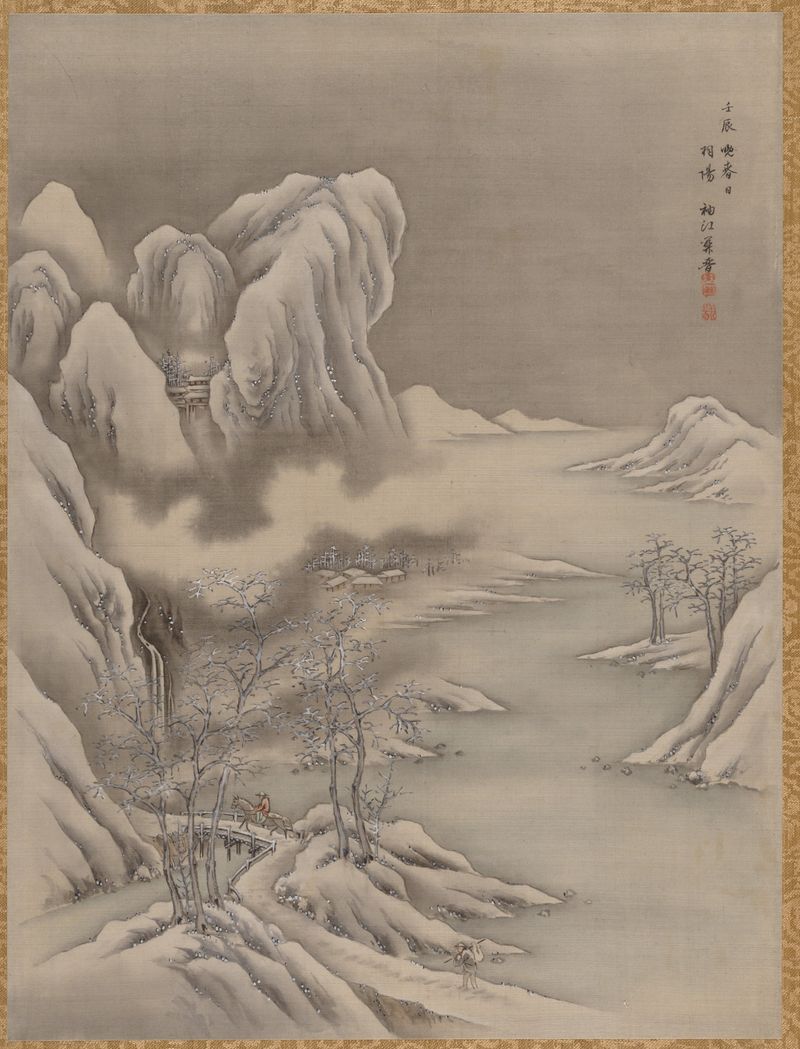
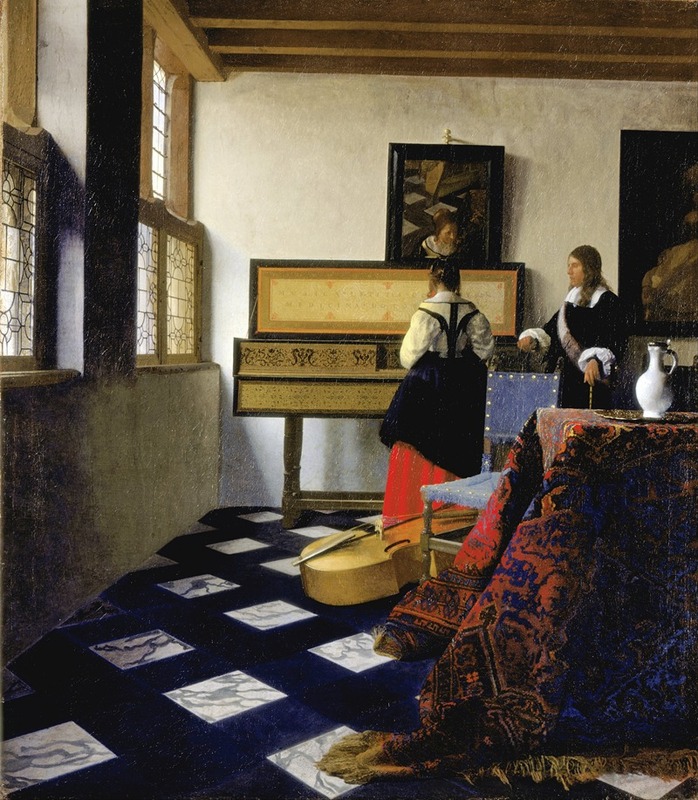
The door creaks open to reveal a sunlit room, inviting warmth spilling across the tatami mats. A woman, dressed in a flowing kimono, kneels gracefully as she prepares a cup of tea, while her friend, seated nearby, gazes through the open window, lost in thought. The soft rustle of silk and the faint fragrance of freshly brewed leaves fill the air, transforming an ordinary afternoon into a sacred exchange of friendship. Look to the left at the delicate playing of light across the tea set, where each porcelain piece gleams with an ethereal beauty.
Notice how the artist employs a rich palette of earthy greens and warm browns, grounding the scene in authenticity while highlighting the vibrant hues of the kimonos. The composition is balanced yet intimate, with the figures set against a backdrop of serene nature, inviting the viewer to feel as if they have stepped into this tranquil moment. Beneath the surface, the painting speaks of transformation — both in the ritual of tea-making and in the quiet connection shared between the two women. The act of visiting is a bridge between solitude and companionship, embodying the fluidity of relationships as they shift and grow.
The gentle interplay of shadow and light symbolizes the duality of presence and absence, illuminating sensations of comfort and longing. Seki Shūkō painted Visiting a Friend in 1892 during a time when Japan was undergoing significant cultural shifts, merging traditional aesthetics with modern influences. Living in Kyoto, he was immersed in the Ukiyo-e tradition, which was evolving in response to Western artistic techniques. This work reflects his dedication to both classic Japanese themes and the burgeoning trends of his time, encapsulating a moment of connection that transcends the ordinary.