
Winterlandschaft — History & Facts
In Winterlandschaft, the haunting beauty of winter evokes a profound sense of fear—a fear of isolation, of the vastness of nature, and of the silent march of time itself. Focus on the horizon, where the muted blues and grays of the sky merge seamlessly with the snow-covered landscape. Notice how the delicate brushstrokes capture the shimmering quality of frost, while the sparse trees, stripped bare and reaching outward, create a stark contrast against the softness of the snow. The composition expertly guides the eye toward the distant, shadowy hills, inviting contemplation of the unknown that lies beyond. Within this serene yet chilling landscape lies a tension between stillness and the unease of absence.
The blank expanse of snow evokes a palpable loneliness, while the absence of human figures hints at a world devoid of comfort or companionship. Each element, from the wintry light to the ghostly shapes of the trees, reflects an emotional landscape that resonates with fear—a fear of nature’s indifference and the ephemeral nature of existence itself. In 1897, when this work was created, Karl Hagemeister was deeply immersed in the artistic movement that sought to capture the essence of nature’s beauty. Working in Germany during a period of significant artistic exploration, he sought to convey not merely a scene, but the emotional truths that nature holds.
The late 19th century was marked by a growing interest in the Impressionist movement, yet Hagemeister’s approach remained grounded in capturing the haunting atmosphere of the natural world.
More Artworks by Karl Hagemeister
Browse all →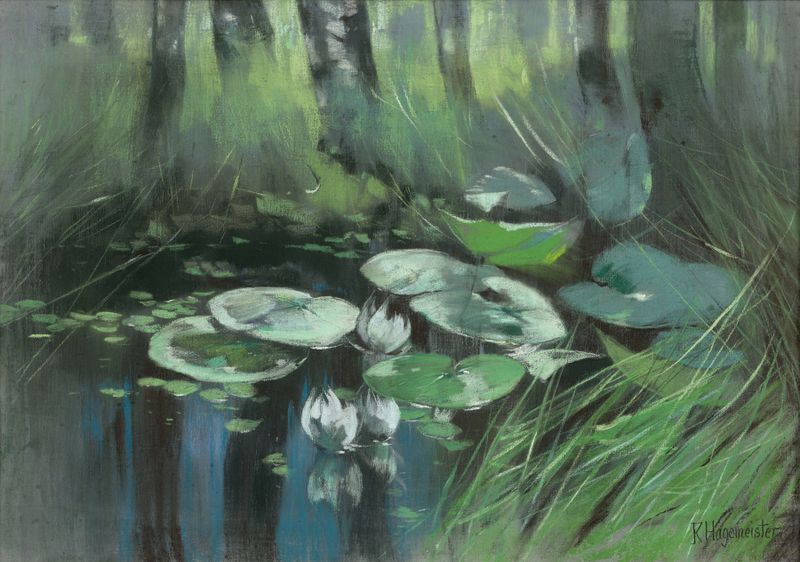
Teich in der Mark mit Seerosen
Karl Hagemeister
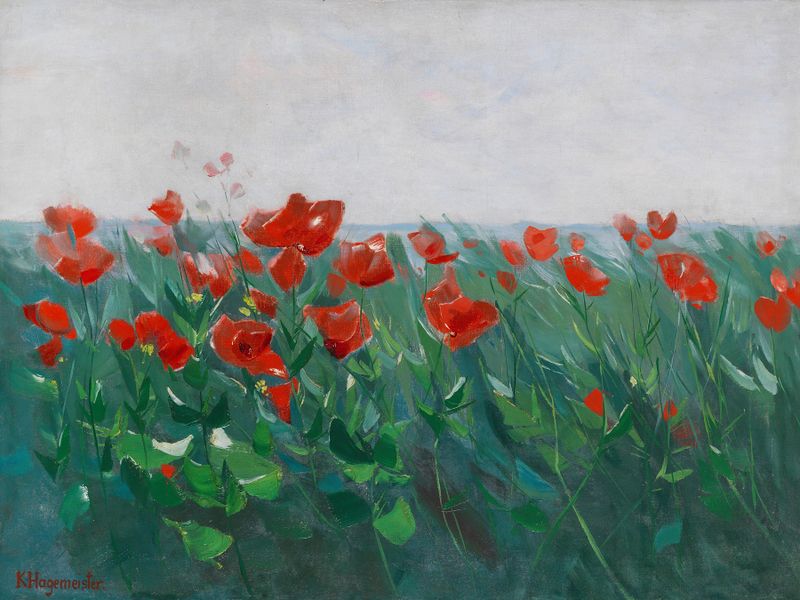
Roter Mohn am Seeufer
Karl Hagemeister

Bauernhaus bei Ferch
Karl Hagemeister
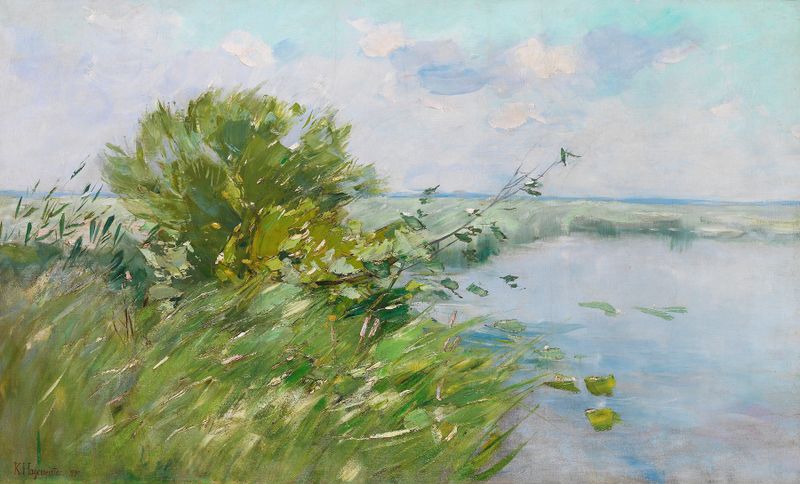
Märkische Seenlandschaft
Karl Hagemeister

Seeufer bei Ferch
Karl Hagemeister
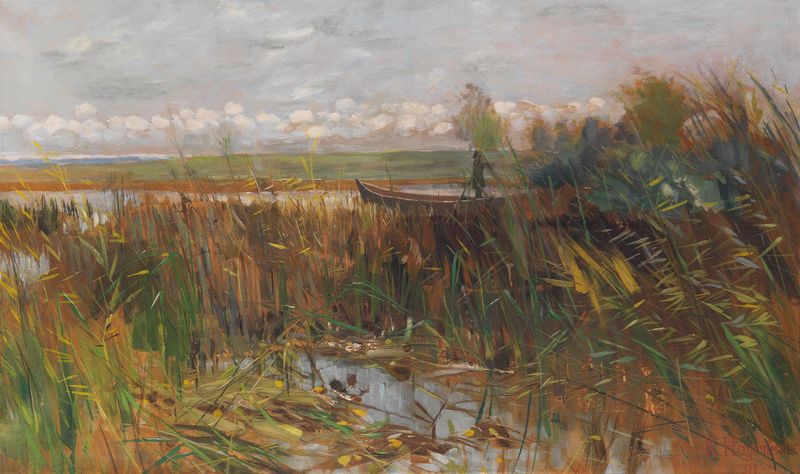
Märkische Seenlandschaft mit Entenjäger im Kahn stehend
Karl Hagemeister
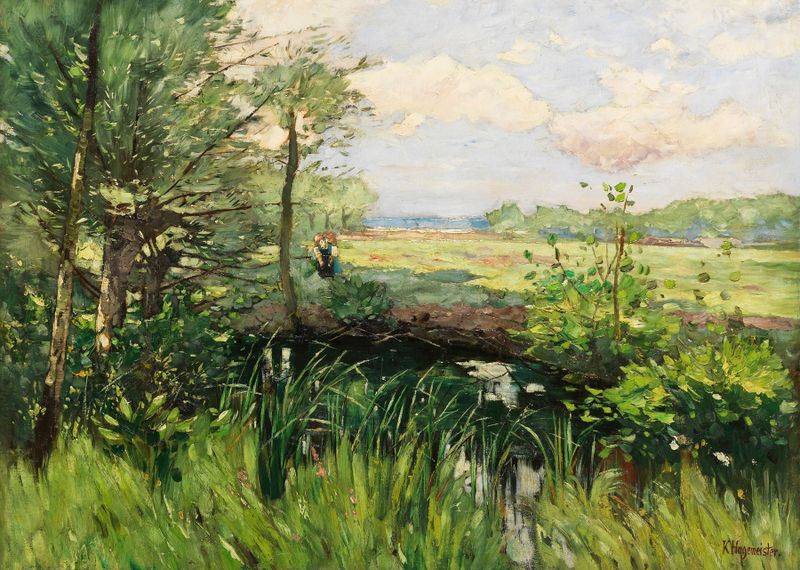
Der Schwielowsee bei Kaputh – Frühling
Karl Hagemeister

Waldweiher
Karl Hagemeister

Waldlandschaft mit Bachlauf (Golmer Luch)
Karl Hagemeister

Sanddornstrauch an der Meeresküste
Karl Hagemeister





