
Winterlandschap — History & Facts
Can paint confess what words never could? In the quiet embrace of winter, a landscape holds secrets, revealing the delicate balance between beauty and desolation. Look to the center where a gentle curve of snow-draped hills beckons, rising softly against a backdrop of muted grays and blues. Notice how the frosty air seems to shimmer, captured in the delicate strokes that evoke both the chill of the season and the warmth of its hidden life. The trees, bare yet resilient, stand like sentinels, their stark silhouettes contrasting against the ethereal light that filters through a cloudy sky, hinting at a fleeting moment of clarity in an otherwise still world. Deeper insights emerge in the interplay of shadow and light, where the starkness of winter becomes a metaphor for introspection and quiet revolution.
The absence of vibrant color speaks to a sense of longing, while the gentle slopes cradle an undercurrent of resilience—nature's quiet defiance against the harshness of winter. Tiny details, like the faint tracks of wildlife across the snow, suggest the persistence of life in the face of adversity, inviting viewers to ponder the unseen narratives unfolding within the landscape. Lucas van Uden painted Winterlandschap between 1626 and 1672, a period marked by significant artistic evolution in the Dutch Golden Age. Living in Antwerp during this time, he was surrounded by the growth of realism in art, where landscapes began to serve not just as backdrops but as reflections of human experience, conveying complex emotions and capturing the spirit of an era ripe for change.
More Artworks by Lucas van Uden
Browse all →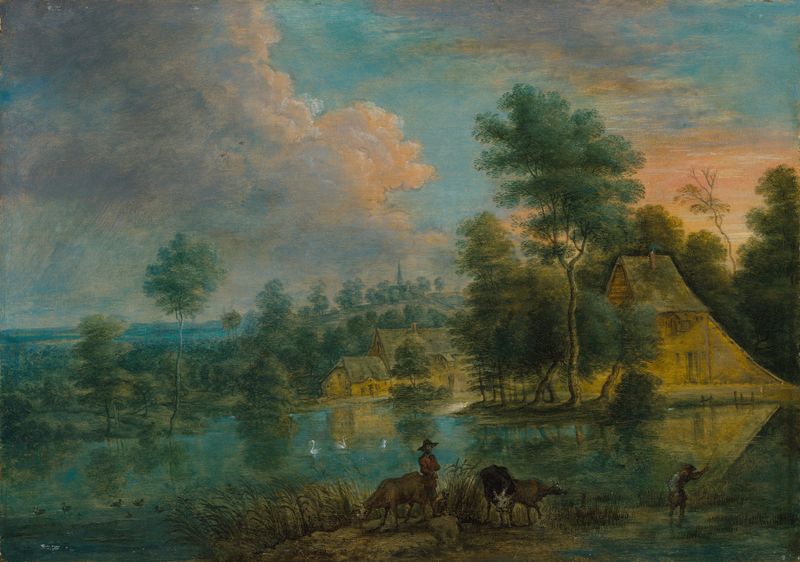
A river landscape with travellers
Lucas van Uden
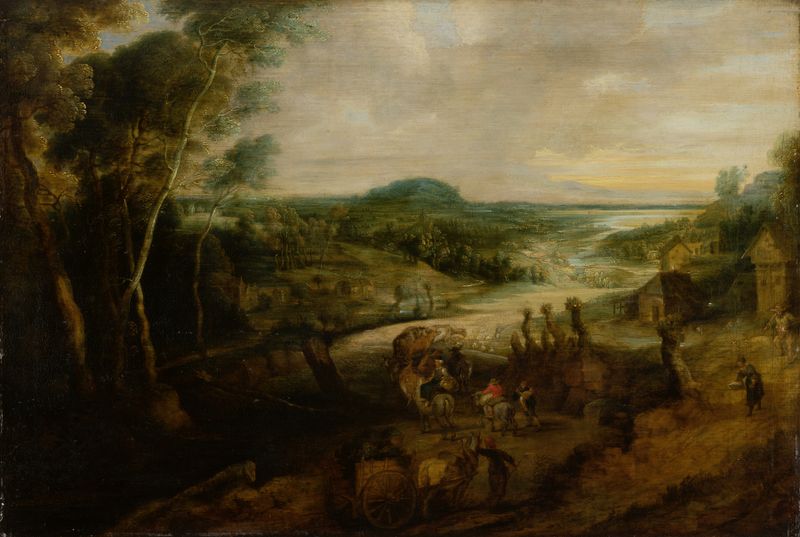
River Landscape with Peasants on the Way to Market
Lucas van Uden
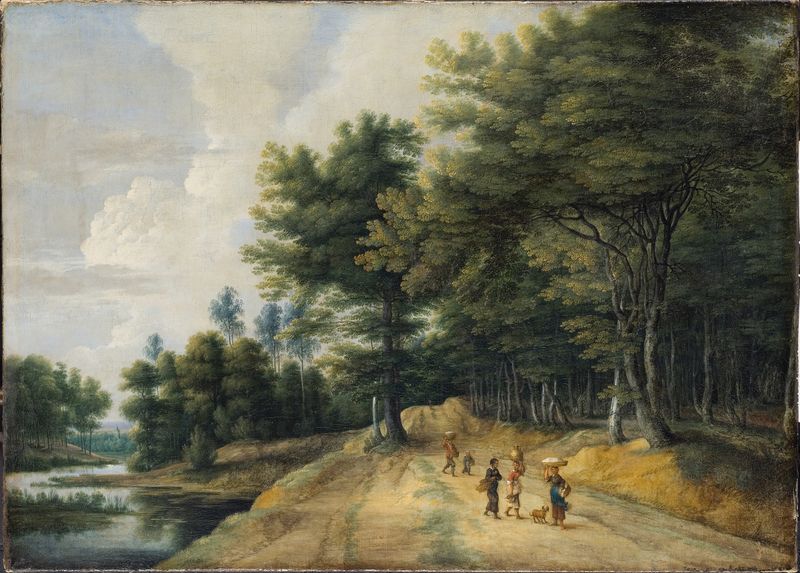
Landscape with a Road through a Wood of Beeches
Lucas van Uden
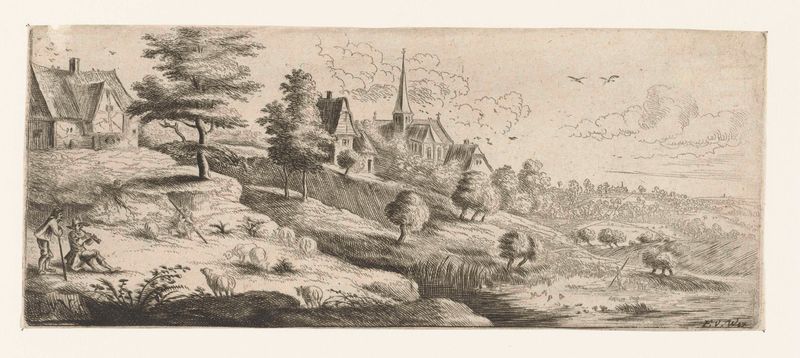
Landschap met een dorp en een schalmei spelende man
Lucas van Uden
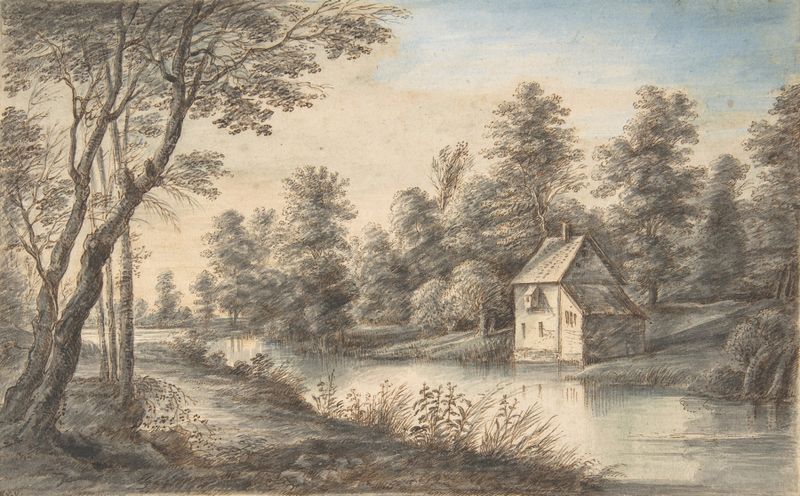
Wooded Landscape with a House beside a River
Lucas van Uden
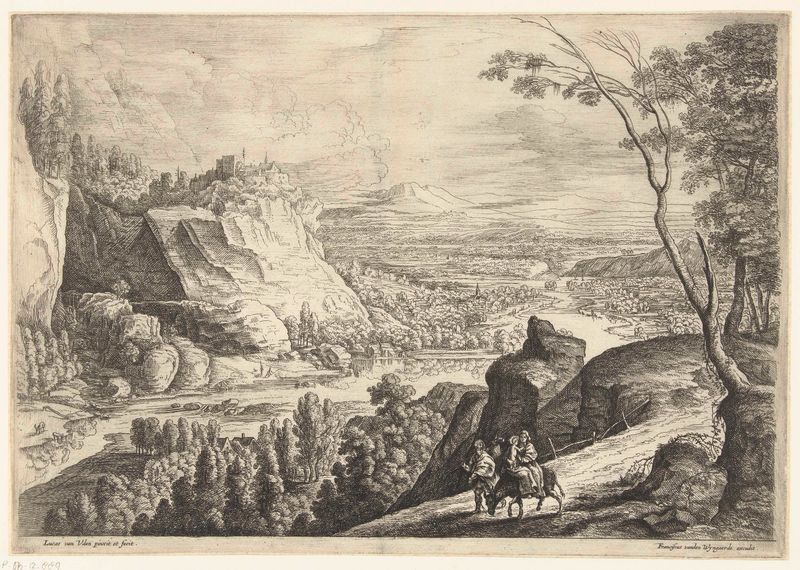
Landschap met de vlucht naar Egypte
Lucas van Uden
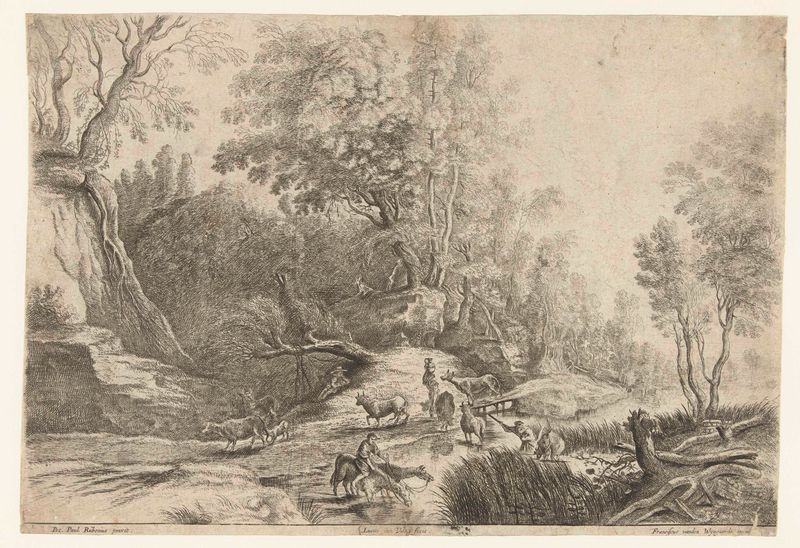
Paarden en koeien bij een drinkplaats
Lucas van Uden
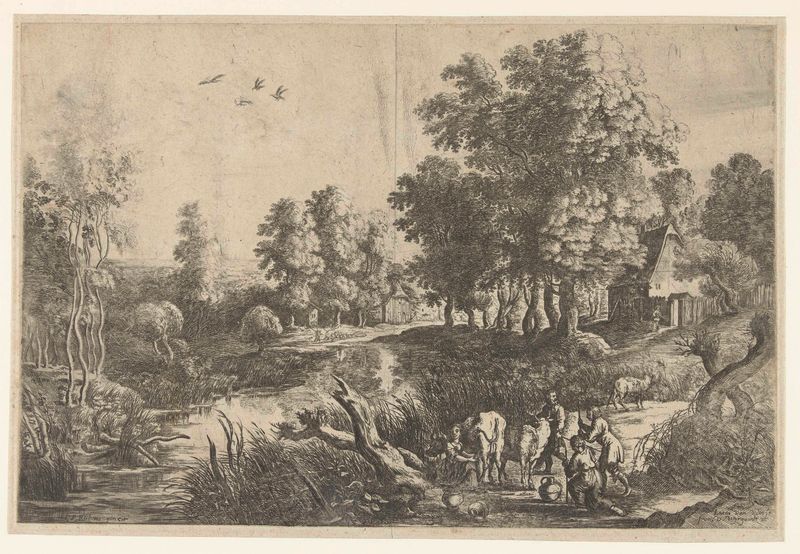
Boeren met vee bij een beek
Lucas van Uden
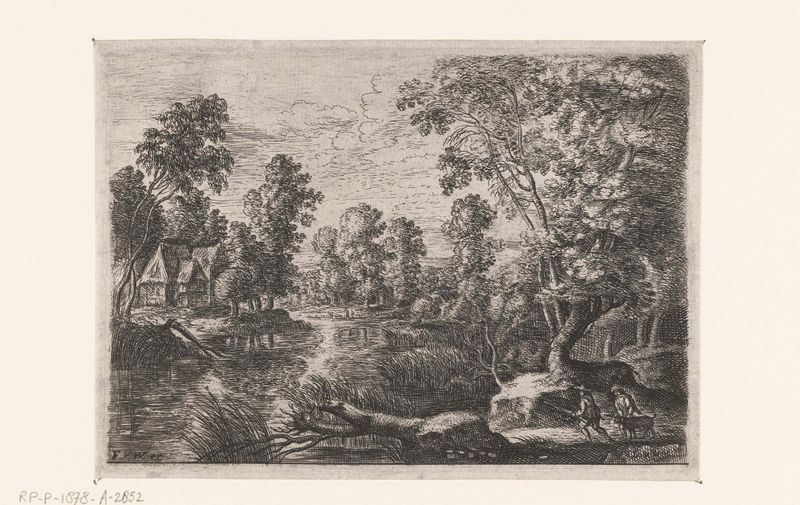
Landschap met een beek en een jager
Lucas van Uden
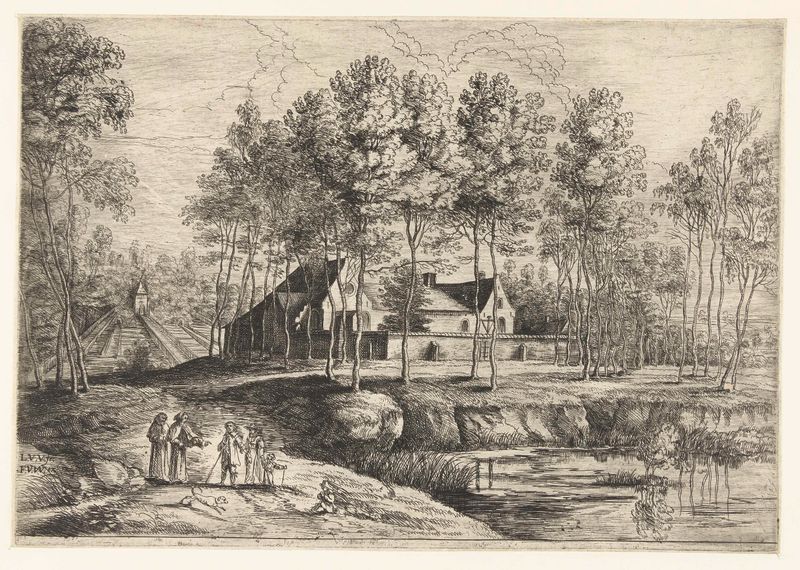
Gezicht op het kapucijnenklooster te Tervuren
Lucas van Uden





