Wit linnen pellen servet — History & Facts
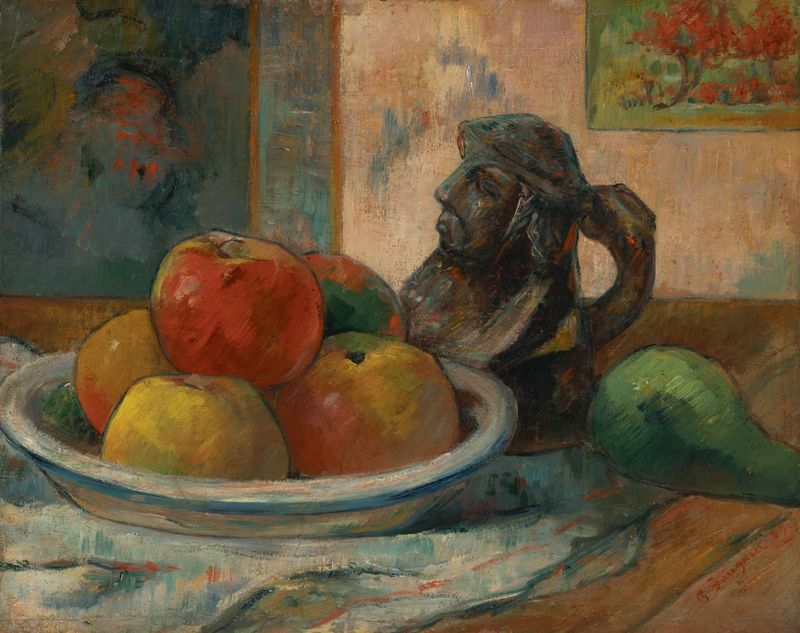
In the delicate strokes of this work, destiny unfolds like the layers of linen being peeled away, revealing moments that linger just beneath the surface. Look to the center of the canvas, where the interplay of light and shadow dances across the fabric. The artist’s meticulous attention to detail draws your gaze, inviting you to appreciate the intricate textures of the linens, their elegance captured in creamy whites and soft beiges. As you move outward, the subtle variations in hue create a soft gradient that echoes the passage of time, leading you through the composition with a gentle hand. Beneath the surface, this work embodies a tension between the mundane and the profound.
The act of peeling linen serves as a metaphor for unveiling layers of existence, suggesting that each fold holds memories and stories waiting to be discovered. The stillness of the scene contrasts sharply with the vibrant emotions it evokes, hinting at the inevitability of fate and the fragility of human experiences. Created between 1700 and 1750, this piece emerges from an era marked by the Baroque movement, which emphasized realism and emotion in art. The artist, shrouded in anonymity, navigated a world of changing social dynamics and artistic exploration.
In this context, the painting transcends mere representation, inviting viewers to reflect on their own destinies as they engage with the lingering essence of the linens.