Wit linnen pellen servet — History & Facts
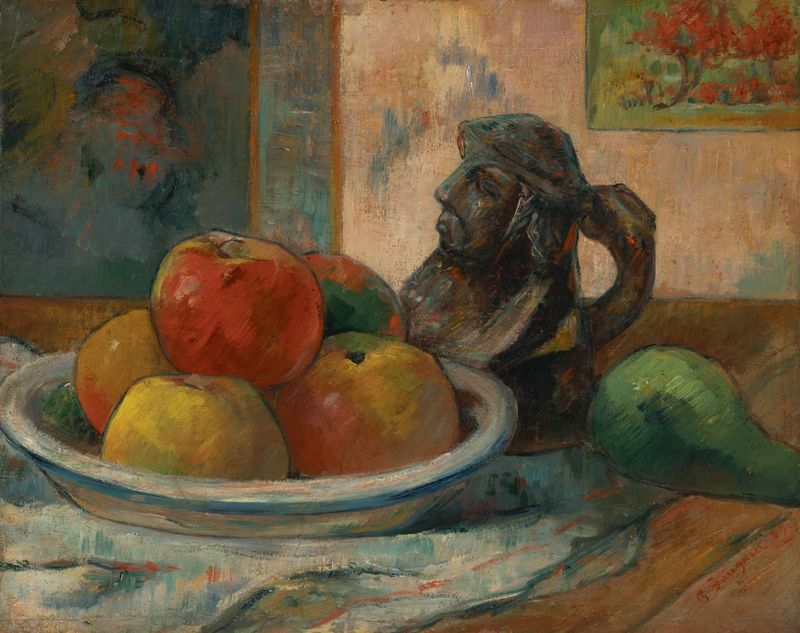
Did the painter know this moment would outlive them? As the delicate white linen peels away, a quiet yearning pulses through the artwork, inviting contemplation of its transient beauty. Look closely at the unraveling linen, its soft textures inviting your touch. The artist employs a muted palette, with shades of cream and subtle taupe, creating a gentle interplay of light and shadow that enhances the fabric's ethereal quality. The graceful folds and intricate patterns reveal a mastery of technique, drawing the viewer’s eye along the contours, almost as if feeling the fabric slip through their fingers. Yet, beneath the surface, there is a profound tension between permanence and impermanence.
The stripped linen suggests both vulnerability and resilience—its fragility a reminder of life's fleeting moments. This juxtaposition resonates with the ache of longing, as the fabric's simplicity belies the depth of emotion it captures. Each wrinkle speaks of stories untold, evoking a sense of nostalgia for what once was and what may never return. Created between 1690 and 1710, this piece emerges from an era rich with artistic exploration and domestic intimacy.
The unknown artist contributed to a period marked by a growing appreciation for still life and the everyday objects that surrounded them. In a time of great change across Europe, this artwork encapsulates the delicate balance between life's transitory beauty and the desire for moments to linger just a little longer.