Wit linnen pellen servet — History & Facts
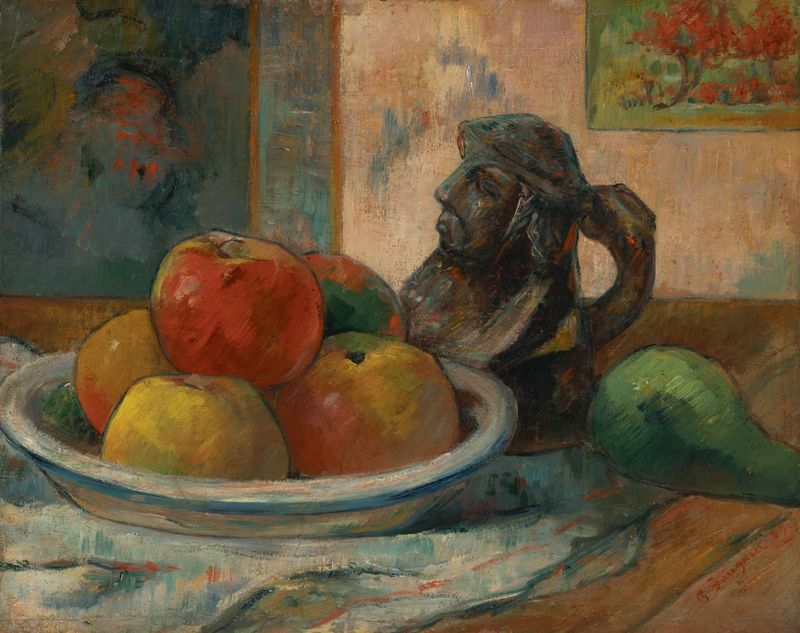
In the quiet realm of still life, objects speak volumes, revealing truths that transcend time and place. The delicate interplay of light and texture compels a deeper reflection, inviting the viewer to ponder the hidden narratives woven into the fabric of our existence. Look to the center of the composition, where a meticulously arranged tablecloth lies beneath a cluster of forgotten items: a stark white servet, a tarnished cup, and a solitary fruit, all rendered in a palette that combines the warmth of earth tones with the coolness of shadow. Notice how the artist skillfully employs chiaroscuro to create a striking contrast between the illuminated objects and the darkness enveloping them.
This technique not only accentuates the textures but also imbues the scene with a palpable tension, hinting at the complexities beneath the surface of everyday life. Amidst the simplicity of the arrangement, one can decipher layers of meaning: the sensuous curves of the fruit suggest indulgence, while the empty cup hints at absence and unfulfilled desires. The pristine white of the servet stands in stark contrast to the surrounding decay, evoking thoughts of purity versus corruption. Together, these elements reflect a silent revolution—a shift in perspectives on domesticity, labor, and the role of material culture in a rapidly changing society. Created between 1680 and 1720, during a period of significant upheaval in Europe, this work emerges from an era marked by philosophical inquiry and the questioning of established norms.
The artist remains unknown, yet their choice to focus on everyday objects reflects a broader movement towards realism and an exploration of the mundane that resonated with the shifting tides of art and society at the time.